Naltrexone (Naltrexone Hydrochloride) – Comprehensive Patient Information
Basic Product Information
- International Nonproprietary Name (INN): Naltrexone
- Common Australian Brand Names: ReVia, Naltrexone Aspen, Generic Naltrexone
- ATC Code: N07BB04
- Available Forms and Strengths:
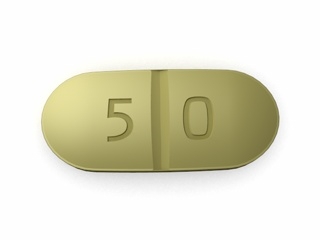
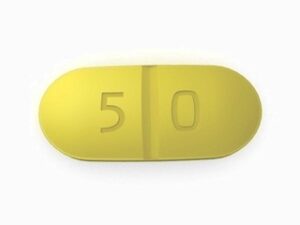
- Tablets: 50 mg (most common)
- Other strengths and formulations may be available by special arrangement or compounding
- Manufacturers: Aspen Pharmacare, various generic producers
- Prescription Status: Prescription Only Medicine (Schedule 4, S4)
Mechanism of Action
For Patients: Naltrexone works by blocking the effects of opioids (like morphine or heroin) in your brain. It's also used to help people who want to stop drinking alcohol, as it reduces the urge or craving to drink.
For Specialists: Naltrexone is a competitive opioid receptor antagonist with the highest affinity for the μ-opioid receptor. It prevents the euphoric and sedative effects of exogenous opioids and modulates alcohol-induced endogenous opioid stimulation.
Pharmacokinetics
- Absorption: Naltrexone is rapidly and well absorbed from the gastrointestinal tract, with peak blood levels reached within about 1 hour after tablet ingestion.
- Metabolism: Undergoes hepatic metabolism, primarily to 6-β-naltrexol (active metabolite).
- Elimination: Excreted mainly by the kidneys, minor portion via bile/faeces. Terminal half-life: Naltrexone ~4 hours, 6-β-naltrexol ~13 hours.
- Duration of Action: Opioid blockade lasts at least 24 hours after oral administration.
Use in Everyday Life and Best Practices
- Typical Adult Dose (Alcohol Dependence): 50 mg tablet once daily is standard.
- Opioid Dependence: Similarly, 50 mg once daily, or sometimes alternative regimens such as 100 mg every other day for adherence reasons (always under clinical supervision).
- How to Use:
- Take the tablet whole, preferably at the same time each day.
- Swallow with a glass of water. Can be taken with or without food.
- Never start Naltrexone if you are still dependent on opioids; withdrawal can be severe. A minimum opioid-free period (typically 7–10 days) is required before starting.
- Australian Context: Naltrexone is part of a comprehensive treatment program, ideally including counselling and support services. Discuss your goals with your GP or local Alcohol and Other Drug (AOD) service.
Dosing: Morning vs Evening
- Morning: Taking Naltrexone in the morning works well for most people—ensures steady effect throughout the day, aids with daily routine.
- Evening: May be considered if morning doses are missed, but not generally recommended as it can disrupt sleep in some patients.
- Tips: Build it into your daily habits (e.g., after brushing teeth in the morning). Consider a pill organiser or smartphone reminder.
Taking with Food or on an Empty Stomach
- Naltrexone can be taken with or without food. For some, taking it with a small meal or snack can reduce the risk of stomach upset or nausea (though this effect is mild).
- There are no specific Australian dietary restrictions. The traditional English or Australian breakfast, or a light tea, is suitable. Avoiding heavy, fatty meals may help if you are prone to gastrointestinal sensitivity.
Interaction Warnings
| Interaction Type | Details / Advice |
| Opioids (including painkillers, cough remedies, anaesthesia drugs) | Strictly avoid. Naltrexone blocks opioid effects and can cause sudden withdrawal in dependent individuals. |
| Alcohol | No dangerous interaction, but drinking undermines treatment goals. Naltrexone does not cause illness if alcohol is consumed, but is most effective if alcohol use is reduced or ceased. |
| Other Medications | Naltrexone is unlikely to interact with most other medicines, but caution with liver-toxic drugs (e.g., high-dose paracetamol). Always inform your doctor and pharmacist about all medicines, supplements, and herbal products. |
| Liver Impairment | Extra caution; Naltrexone can worsen pre-existing liver problems. Regular blood tests may be needed. |
Indications
| Indication | Official / Off-label | Notes |
| Alcohol dependence | Official (TGA approved) | To maintain abstinence and reduce relapse risk |
| Opioid dependence | Official (TGA approved) | To maintain opioid-free status after withdrawal |
| Obesity & binge eating disorder | Off-label / Combination (e.g., with bupropion) | Not routinely used or PBS listed for this in Australia |
Dosing According to Clinical Indications
| Condition | Age Group | Typical Dose |
| Alcohol dependence | Adults | 50 mg once daily |
| Opioid dependence | Adults | 50 mg once daily |
| Alcohol/Opioid dependence | Elderly | Start at lower dose (25 mg once daily), monitor for tolerability |
| Any indication | Children & adolescents | Not routinely used; only under specialist supervision |
Note: Dosages may be adjusted by your doctor for safety and effectiveness.
Safety Profile / Side Effects
| Frequency | Side Effect | Comments |
| Common (≥1/100) | Nausea, headache, dizziness, fatigue, sleep difficulties, abdominal pain, loss of appetite, anxiety | Usually mild and temporary |
| Less common (1/100 – 1/1,000) | Skin rash, increased thirst, increased liver enzymes, muscle pain, joint pain | Monitor symptoms, seek advice if persistent |
| Rare (<1/1,000) | Liver toxicity, severe allergic reactions (swelling, shortness of breath), hallucinations, vision changes | Seek urgent medical care; regular liver function monitoring recommended |
- If you experience yellowing of the skin or eyes, severe stomach pain, dark urine, or swelling—seek immediate medical attention.
Guidelines for Proper Use
- Never start Naltrexone if you have taken any opioid drug (including some cough syrups, painkillers, or illicit substances) in the previous week—risk of withdrawal.
- Inform your pharmacy or doctor about all medicines you take, including herbal supplements (such as St John’s Wort).
- Attend scheduled follow-up appointments and blood tests to check liver health, especially during the first 6 months.
- Stick with your prescribed dose. Doubling up if you miss a dose is not recommended.
- Do not use Naltrexone to treat pain—normal painkillers containing opioids will be ineffective and may trigger withdrawal or overdose if used at higher doses to try to overcome the blockade.
- For planned surgeries or dental procedures requiring pain control, inform your healthcare team well in advance.
- Most effective as part of a broader support program, such as with a GP, nurse, psychologist, or peer group.
Alternative Treatment Options
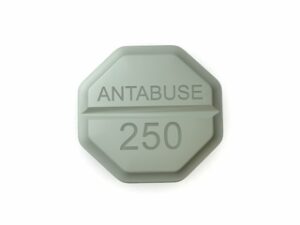
- Disulfiram (Antabuse): Used for alcohol dependence; unpleasant reaction if alcohol consumed. PBS-listed. Requires motivated abstinence.
- Acamprosate (Campral): Reduces alcohol cravings; generally safe and well-tolerated. PBS-listed.
- Methadone, Buprenorphine (Subutex, Suboxone): Used for opioid dependence as substitution/maintenance therapies (not antagonists).
- Comparison Overview:
- Naltrexone: effective for both alcohol and opioid abstinence, non-sedating; must be opioid-free, monitor liver health.
- Acamprosate: specifically for alcohol, kidney monitoring.
- Disulfiram: “deterrent” effect for alcohol, risk of severe reaction with alcohol ingestion.
- Methadone/Buprenorphine: maintenance, not abstinence medication for opioid use disorder.
Legal, Registration, and Reimbursement Status in Australia
- Regulator: Therapeutic Goods Administration (TGA)
- Prescription Requirement: S4 (prescription only)
- PBS (Pharmaceutical Benefits Scheme) Status: Naltrexone is currently not routinely listed for alcohol dependence, but may be subsidised under some hospital programs or with authority prescription for opioid dependence in select cases.
- Legal Supply: Only via registered Australian pharmacy with a valid prescription from a doctor.
- Private Insurance: Some policies may cover the cost.
Latest Research and Clinical Guidance (2022–2025)
- The Australian Guidelines for the Treatment of Alcohol Problems (2023 update) recommend Naltrexone as a first-line pharmacological option for alcohol dependence, especially to reduce heavy drinking relapses (NHMRC 2023; see NHMRC Guidelines).
- Recent systematic reviews (e.g., JAMA Psychiatry 2023; BMJ 2024) confirm Naltrexone’s modest but significant efficacy at reducing alcohol consumption and relapse rate in both primary care and specialist settings.
- The National Clinical Guidelines for Medication-Assisted Treatment of Opioid Dependence (Australian Government, 2023) outline Naltrexone as an option for motivated, opioid-free individuals, with highest effectiveness when combined with psychosocial support.
- Important advances: Long-acting implant formulations are under study but not currently TGA approved or routinely available in Australia (2024).
Availability and Delivery
- Typical Pack Sizes:
- 30 tablets (50 mg each)
- 100 tablets (bulk/longer-term pack)
- Indicative Price: AUD $100–$165 for a 30-tablet pack (price can vary by brand and pharmacy—confirm with your pharmacist).
- Private insurance or PBS access may affect cost.
| City | Typical Pharmacy Delivery Times (business days) |
| Sydney | 1–2 |
| Melbourne | 1–2 |
| Brisbane | 1–3 |
| Perth | 2–4 |
| Adelaide | 2–3 |
| Hobart | 2–3 |
| Regional locations | 3–6 |
- Online and mail order pharmacies may offer additional delivery options, including Click & Collect and home delivery.
Frequently Asked Questions (FAQ)
- Q1: Will Naltrexone make me feel sick if I drink alcohol?
A: No, Naltrexone does not cause a disulfiram-like reaction if you drink alcohol. It simply reduces the pleasure and urge but does not make you ill. - Q2: Can I use Naltrexone if I am still taking opioid painkillers?
A: No. Using Naltrexone while opioids are still in your system can cause sudden, dangerous withdrawal symptoms. Wait at least 7–10 days after last opioid use, and consult your doctor before starting. - Q3: Is Naltrexone addictive?
A: No. Naltrexone is not addictive. It does not cause dependence, craving, or intoxication. - Q4: How long will I need to stay on Naltrexone?
A: This varies. For alcohol dependence, a minimum of 3–6 months is common, with some patients benefiting from longer-term use according to your doctor’s recommendation. - Q5: What if I miss a dose?
A: Take the missed dose as soon as you remember on the same day. If it’s nearly time for your next dose, skip the missed tablet—do not double up. Try to take Naltrexone at the same time every day.