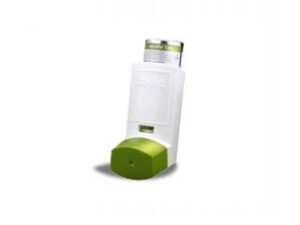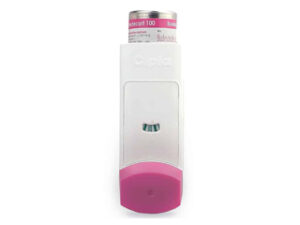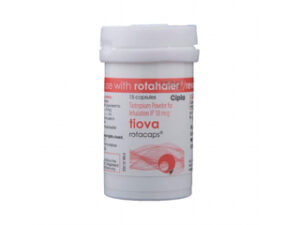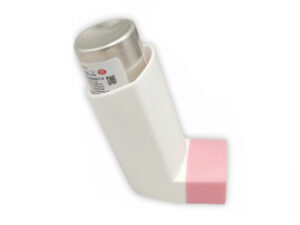
Spiriva (Tiotropium Bromide): Patient Information for Australia
Basic Product Information
| International Non-proprietary Name (INN) | Tiotropium Bromide |
|---|---|
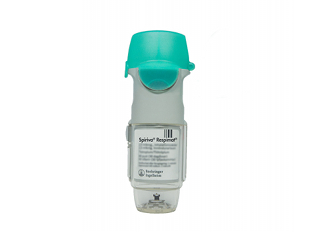
| Australia Brand Names | Spiriva Respimat, Spiriva HandiHaler |
| ATC Code | R03BB04 |
| Available Forms & Strengths | Inhalation powder: 18 mcg capsule (HandiHaler); Inhalation solution: 2.5 mcg/actuation (Respimat) |
| Manufacturers | Boehringer Ingelheim |
| Prescription Status | Prescription only (Schedule 4, S4, Australia) |
Mechanism of Action
Simple terms: Tiotropium bromide is a long-acting bronchodilator. It works by relaxing the muscles in your airways, making it easier to breathe. This effect helps reduce symptoms like shortness of breath in chronic lung diseases.
For specialists: Tiotropium is a long-acting antimuscarinic agent (LAMA), selectively blocking M3 muscarinic receptors in bronchial smooth muscle. This inhibits cholinergic bronchoconstriction, resulting in sustained bronchodilation (lasting at least 24 hours).
Pharmacokinetics
- Absorption: After inhalation, tiotropium is rapidly absorbed via the lungs. Absolute bioavailability is about 19% for inhaled forms.
- Metabolism: Predominantly excreted unchanged in the urine (~74%); hepatic metabolism via CYP2D6 and CYP3A4 is minimal in most individuals.
- Elimination: Renal excretion is the primary route. Elimination half-life after inhalation is around 25–44 hours, supporting once-daily dosing.
- Duration of Action: 24 hours or longer; allows for convenient daily maintenance.
Use in Everyday Life and Best Practices
Spiriva is prescribed for inhalation once daily, either in the morning or evening, as advised by your healthcare provider. It’s most often used for patients with:
- Chronic Obstructive Pulmonary Disease (COPD)
- Asthma (maintenance therapy, not as a rescue inhaler)
Always use Spiriva exactly as prescribed. Inhalation technique is very important. If you are unsure how to use the HandiHaler or Respimat device, ask your pharmacist or nurse for a demonstration. The medicine should be used at the same time daily to maintain consistent symptom control.
Do not use Spiriva to relieve sudden breathing difficulties or asthma attacks (use your prescribed “reliever” inhaler such as salbutamol or terbutaline in these cases).
Dosing in the Morning vs Evening
- Spiriva can be taken in the morning or evening – choose the time that best fits your routine.
- Consistency is key. Taking it at the same time every day helps maintain even symptom control.
- Some patients find morning dosing offers better control during the most active part of the day, but medical evidence does not show a strong preference.
- Tip: Pair your inhaler use with a daily habit (e.g., brushing teeth) to help you remember.
Taking with Food or on an Empty Stomach
Spiriva is an inhaled medication and can be used regardless of food or meals. There is no impact of meal timing or typical English/Australian dietary habits (such as breakfast, tea, or traditional meals) on the effectiveness or absorption of the medicine. You don’t need to change your eating schedule.
Interaction Warnings
| Interaction | Details & Recommendations |
|---|---|
| Other anticholinergic medicines (e.g. ipratropium, glycopyrronium) | May increase the risk of side effects (e.g. dry mouth, constipation, urinary retention). Avoid multiple antimuscarinic agents unless directed. |
| Alcohol | No known significant interactions with moderate alcohol intake. Excess drinking may worsen dehydration if Spiriva causes a dry mouth. |
| Food | No interactions. May be taken with or without food. |
| Other respiratory medicines | Can generally be used with inhaled corticosteroids (ICS) or beta-agonists, but follow your doctor’s advice. |
| Drugs affecting bladder function | Increased risk of urinary retention. Monitor if you have prostate problems or bladder issues. |
Indications
| Indication | Status (Australia) | Comments |
|---|---|---|
| Maintenance treatment of COPD | Registered/PBS reimbursed | Primary use. Reduces exacerbations and improves quality of life. |
| Maintenance treatment of asthma (adults, certain paediatrics) | Registered/PBS reimbursed | As add-on when inhaled corticosteroids and long-acting beta agonist (LABA) are insufficient. |
| Off-label uses (e.g. bronchiectasis, chronic cough) | Not registered; specialist use only | Rare in Australia; discuss with your specialist. |
Dosing According to Clinical Indications
| Indication | Age | Usual Dose | Max Dose |
|---|---|---|---|
| COPD | Adults/Elderly | HandiHaler: 1 capsule (18 mcg) inhaled once daily Respimat: 2 puffs (2.5 mcg/puff) once daily | Do not exceed recommended dose |
| Asthma | ≥6 years (Respimat only) | Respimat: 2 puffs (2.5 mcg/puff) once daily | Do not exceed recommended dose |
| Renal impairment | All ages | Use with caution; monitor for side effects | Consider lower dose if severe renal impairment |
Safety Profile and Side Effects
Spiriva is generally well tolerated. Most side effects are mild and related to its anticholinergic activity. The risk of serious effects is low when used correctly. Tell your doctor or pharmacist if you experience persistent side effects.
| Frequency | Side Effects |
|---|---|
| Common (>1 in 10) | Dry mouth Sore throat Hoarse voice Cough after inhalation |
| Uncommon (1 in 100 to 1 in 1,000) | Constipation Increased heart rate Difficulty urinating Nasal dryness |
| Rare (<1 in 1,000) | Allergic reaction (rash, swelling, severe shortness of breath) Glaucoma attacks (eye pain, red eye, visual changes) |
| Warnings | Use with caution if you have glaucoma, prostate issues, or urinary retention risks. Contact medical help immediately if sudden eye pain, vision changes, or facial swelling occurs. |
Guidelines for Proper Use (Australian Pharmacy Advice)
- Have your inhaler technique checked regularly by a pharmacist, nurse, or your GP.
- Store Spiriva in its original packaging at room temperature, away from moisture and direct sunlight.
- Wash your hands before and after handling capsules (HandiHaler) or device (Respimat).
- Never swallow Spiriva capsules; they must be inhaled only using the HandiHaler device.
- Clean your inhaler device as instructed (HandiHaler: rinse once a month; Respimat: wipe mouthpiece weekly).
- Dispose of used capsules/devices safely in household rubbish – not down the toilet or sink.
- Check expiry date and do not use expired product.
Alternative Treatment Options
- Long-acting β2-agonists (LABAs): e.g. salmeterol, formoterol; may be used alone or as dual therapy with LAMAs. Pros: rapid action for some, different mechanism. Cons: Should not be monotherapy in asthma.
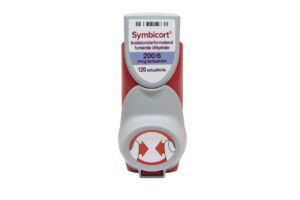
- Combination inhalers (ICS/LABA or ICS/LABA/LAMA): options like Symbicort, Seretide, Breo, Trelegy – often PBS reimbursed. Pros: Fewer inhalers, excellent for moderate-severe disease. Cons: May have steroid-related side effects.
- Other LAMAs: Glycopyrronium (Seebri Breezhaler), aclidinium (Bretaris Genuair), umeclidinium (Incruse Ellipta). Pros/Cons: Similar efficacy, device preference often guides choice, differences in insurance/PBS reimbursement.
- Theophylline: Rarely used now due to side effect risk and monitoring needs.
Legal, Registration, and Reimbursement Status in Australia
- Regulatory bodies: Australian Therapeutic Goods Administration (TGA) – Spiriva is TGA registered for COPD and asthma maintenance.
- Prescription requirements: Schedule 4 (S4) – only available via prescription from a licensed healthcare provider.
- Reimbursement: Pharmaceutical Benefits Scheme (PBS) – Spiriva (HandiHaler and Respimat) is listed for eligible COPD and asthma patients, helping reduce patient costs.
- Special Authority: May apply for some indications; check with your doctor or pharmacist.
Latest Research and Clinical Guidance (2022–2025)
- Global Initiative for Chronic Obstructive Pulmonary Disease (GOLD) 2024: Recommends LAMAs, including tiotropium, as first-line long-acting bronchodilator therapy for stable COPD (GOLD report).
- Australian Asthma Handbook (National Asthma Council Australia, 2023 update): Includes tiotropium as an add-on for adults and certain children with poorly controlled asthma despite standard inhaler therapies.
- Recent Studies (NEJM, Lancet 2022–2024): Confirm Spiriva’s effectiveness in reducing exacerbations and hospitalisations for COPD and providing improved asthma control when added to ICS/LABA therapy.
Availability and Delivery
| Pack Size | Form | Indicative Price (PBS co-pay) | Delivery (to major Australia cities) |
|---|---|---|---|
| 30 capsules + device | HandiHaler | AUD $30–42 (PBS), up to $90 private | Sydney: 1–2 days Melbourne: 2–3 days Perth: 3–4 days |
| 60 actuations (4 weeks) | Respimat | AUD $30–42 (PBS), up to $88 private | Brisbane: 2–3 days Adelaide: 2–4 days |
Most pharmacies will order in Spiriva if not in stock, with home or local GP/pharmacy pickup delivery available in most urban and regional areas.
FAQ: Most Common Patient Questions
- Can I use Spiriva for sudden asthma or COPD flare-ups?
No. Spiriva helps prevent symptoms and flare-ups but is not a rescue inhaler. Use your “reliever” inhaler (such as salbutamol or terbutaline) for acute attacks, and seek emergency medical help if your symptoms worsen quickly. - I missed a dose—what should I do?
If you forget a dose, take it as soon as you remember—unless it is almost time for your next dose. Skip the missed dose; do not double up. Resume your usual schedule the next day. - Is Spiriva safe for older adults?
Yes, Spiriva is safe and effective for older patients, but your doctor will monitor for possible side effects like dry mouth or urinary retention, especially if you have kidney or prostate issues. - How do I clean my inhaler device?
For the HandiHaler, clean by rinsing with water monthly and drying thoroughly. For the Respimat, wipe the mouthpiece weekly with a damp cloth. Detailed instructions are in the package leaflet—ask your pharmacist to show you as well. - Can I use Spiriva with other inhalers?
Usually, yes. Spiriva is often prescribed with other inhalers (e.g. ICS, LABA) for asthma or COPD. Always follow your doctor’s instructions and keep an up-to-date medication list to show your GP or pharmacist.
For personalised advice or further questions, speak with your GP, respiratory nurse, or pharmacist. This summary is provided as a general guide and should not replace medical consultation.