Salbutamol (Albuterol) – Patient Information for Australia
Basic Product Information
| International Non-proprietary Name (INN) | Salbutamol (known as Albuterol in some countries) |
|---|---|
| Common Australia Brand Names | Ventolin, Airomir, Asmol, Salamol |
| ATC Code | R03AC02 |
| Available Forms & Strengths |
|
| Manufacturers (AU) | GlaxoSmithKline, Mylan, Meda Pharmaceuticals, others |
| Prescription Status | Schedule 4 (Prescription Only Medicine) in Australia |
How Salbutamol Works (Mechanism of Action)
For patients: Salbutamol is a fast-acting medicine that helps open up the airways in your lungs, making it easier to breathe. It works by relaxing the muscles around your airways.
For healthcare professionals: Salbutamol is a selective β2-adrenergic receptor agonist, leading to activation of intracellular adenylate cyclase, increased cAMP, relaxation of bronchial smooth muscle, and bronchodilation. Minimal β1 activity reduces cardiac side effects at recommended doses.
Pharmacokinetics
- Absorption: Rapid absorption via the lungs; oral absorption is slower and subject to first-pass metabolism.
- Onset/Duration: Inhaled onset within 4–15 minutes; action lasts 4–6 hours for most patients.
- Metabolism: Hepatic (liver conversion primarily to inactive forms).
- Elimination: Mostly via urinary excretion (as parent drug and metabolites); minor faecal route.
- Half-life: Oral ~4–6 hours; Inhaled ~3–6 hours.
Salbutamol in Everyday Life: Use and Best Practices
Typical Uses: Salbutamol is most commonly used to quickly relieve asthma symptoms (such as wheezing, breathlessness, or cough), and is also used for other conditions that involve airway narrowing, like chronic obstructive pulmonary disease (COPD).
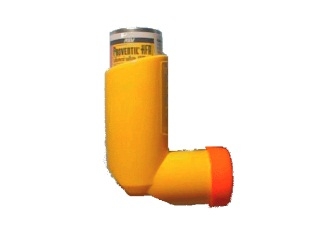
- How to Use: Always follow your doctor’s instructions. Usually, 1–2 puffs from an inhaler are taken as needed for symptoms. Do not exceed recommended doses.
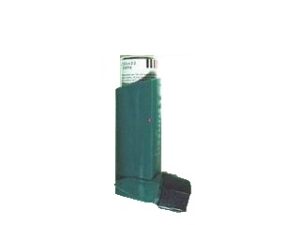
- Demonstration: Shake inhaler well before use. Breathe out gently, seal lips around the mouthpiece, press the canister once as you start to inhale deeply, hold your breath for about 10 seconds, then exhale slowly.
- Spacer Devices: Recommended for children or those struggling with coordination.
- Nebuliser Solution: Suitable for those unable to use inhalers or in acute care.
Note: Always have access to your rescue inhaler. Seek immediate medical attention if your symptoms don’t improve or worsen.
Dosing in the Morning vs Evening
- Need-based dosing: Salbutamol is usually taken as needed for symptoms, not on a fixed schedule. However, those with early morning or nocturnal symptoms may benefit from doses during those periods.
- Morning Use: May help counteract symptoms experienced upon waking, which is common in asthma.
- Evening/Night Use: Can be used safely if symptoms worsen overnight, but frequent use at night may suggest poor control; review with your doctor.
- Tip: Keep your reliever inhaler somewhere easy to access at all times—many Australians keep one at home, at work or school, and while out and about.
Taking Salbutamol with Food or on an Empty Stomach
- Inhalers and Nebulisers: Effectiveness is not affected by food—use at any time as symptoms demand.
- Oral Forms (if prescribed): Can be taken with or without food; may reduce stomach upset by taking with a light snack (common in Australian dietary habits).
There are no specific food restrictions with salbutamol. Stick to a balanced Australian diet as recommended by your health provider.
Interaction Warnings
| Substance/Drug | Interaction/Advice |
|---|---|
| Alcohol | No direct interaction, but use with care if you have heart rhythm issues. |
| Beta-blockers (e.g. atenolol, propranolol) | May reduce salbutamol’s effect; can worsen asthma—avoid unless directed by a specialist. |
| Diuretics (water tablets) | Risk of low potassium (hypokalaemia) may increase—monitoring advised. |
| MAO inhibitors and tricyclic antidepressants | May increase cardiovascular side effects—caution required. |
| Other asthma medications (steroids, theophylline) | Generally safe, but doses may need adjustment. |
| Food | No significant interactions reported with standard Australian dietary patterns. |
Indications
| Clinical Use | Status | Examples |
|---|---|---|
| Acute asthma relief | Approved | Wheezing, breathlessness |
| Exercise-induced bronchospasm | Approved | Pre-exercise prophylaxis |
| COPD symptom relief | Approved | Short-term breathlessness |
| Hyperkalaemia adjunct | Off-label | Specialist supervision only |
Dosing According to Clinical Indication
| Group | Indication | Usual Dose | Notes |
|---|---|---|---|
| Adults | Acute asthma/COPD | 1–2 puffs (100–200 μg) as needed, up to 4-hourly; max. 8 puffs/24hr | Do not exceed prescribed frequency |
| Adolescents (12–18 yrs) | Asthma/COPD Relief | 1–2 puffs as needed, up to 4-hourly | Spacer use recommended |
| Children (4–11 yrs) | Acute asthma | 1 puff as needed, repeat every 4–6 hours; max. 8 puffs/24hr | Always under adult supervision |
| Infants <4 yrs | Acute wheeze | Specialist only; generally via nebuliser | Hospital guidance |
| Elderly | Asthma/COPD | As per adult dosing | Monitor for cardiac side effects; lower dose if needed |
Safety Profile and Potential Side Effects
Salbutamol is generally well tolerated when used as directed. Most side effects are mild and temporary. If you experience severe symptoms, seek medical help promptly.
| Frequency | Side Effect | Advice |
|---|---|---|
| Common (>1 in 10) | Shakiness (tremor), fast heartbeat (palpitations), headache, muscle cramps | Usually mild; reduce dose if troublesome |
| Uncommon | Nervousness, dizziness, throat irritation, dry mouth | Generally settles after use |
| Rare | Chest pain, severe allergic response, irregular heartbeat | Stop use; seek urgent medical attention |
| Warning | Paradoxical bronchospasm (worsening breathing) | Very rare; discontinue and see a doctor immediately |
| Prolonged Use | Low blood potassium (hypokalaemia) | Monitor if using high or frequent doses |
Guidelines for Proper Use (Australia-specific)
- Bring your inhaler to each medical or pharmacy review—your pharmacist can check your technique.
- Register your Asthma Action Plan with your GP or nurse (a recommended practice in Australia).
- If you need your reliever more than twice a week, your asthma/COPD may not be well controlled—discuss preventer options.
- Keep a spare inhaler in case of loss or emergencies (especially before travel or bushfire season).
- Dispose of any inhaler after expiry or if empty (recycling programs available at many Australian pharmacies).
Alternative Treatment Options
- Other Relievers: Terbutaline (Bricanyl) inhalers – similar action, may suit some patients.
- Combination Inhalers: Formoterol/budesonide (Symbicort), salmeterol/fluticasone (Seretide) – offer both relief and daily prevention.
- Long Acting Options: Salmeterol (Serevent) for maintenance, not for rapid relief.
- Cons: Alternative relievers may differ in onset, side effect profiles, and PBS (Pharmaceutical Benefits Scheme) listings.
- Pros: Combinations can reduce symptoms, attacks, and hospital visits.
Legal, Registration and Reimbursement Status in Australia
- Salbutamol is listed on the Australian Register of Therapeutic Goods (ARTG), approved by the Therapeutic Goods Administration (TGA).
- Available only on prescription (Schedule 4).
- Covered under the Pharmaceutical Benefits Scheme (PBS) for asthma and COPD (criteria apply).
- Registered for emergency supply under certain conditions (ask your pharmacist).
Latest Research and Clinical Guidance (2022–2025)
- Australian Asthma Handbook (2022, National Asthma Council Australia): Continues to recommend short-acting beta-agonist (SABA) relievers like salbutamol for symptom relief, alongside preventative inhalers for regular symptoms.
- Recent trials confirm the safety and rapid onset of inhaled salbutamol; overuse may signal the need for daily preventer therapy (Lougheed MD et al., 2023; Global Initiative for Asthma, 2024).
- New research (BMJ 2024) shows no additional benefit from higher single doses in acute attacks beyond 200–400µg, but increased risk of side effects.
- Australian guidelines discourage over-reliance on SABA inhalers and emphasise regular follow-up (ACRRM, 2023).
Availability and Delivery in Australia
| Pack Size | Form | Indicative PBS Price (2024) | Delivery Times: Sydney | Delivery: Melbourne | Delivery: Brisbane | Delivery: Perth |
|---|---|---|---|---|---|---|
| 200 doses | Inhaler (MDI) | $6.70 general, $0.00 concession | Same/next day* | 1–2 days | 1–2 days | 2–4 days |
| 10 x 2.5mL | Nebuliser solution | $6.70 general, $0.00 concession | 1 day | 1–2 days | 1–2 days | 2–4 days |
*Express delivery and pickup available at participating pharmacies; standard delivery subject to postcode.
FAQ: Your Questions Answered
- Can I use my salbutamol inhaler every day?
Salbutamol is a rescue inhaler for symptom relief, not for regular, daily prevention. If you are using it more than twice a week, see your doctor—your asthma/COPD may need better control or a preventer inhaler. - What should I do if my inhaler is not helping?
Use up to your prescribed dose. If you do not feel better after 4–6 puffs, or if your breathing worsens, seek urgent medical attention, call Triple Zero (000), or go to the nearest hospital. - Can I use salbutamol if I am pregnant or breastfeeding?
Salbutamol is generally considered safe under medical advice. Always inform your doctor or pharmacist if you are pregnant or planning a pregnancy. - Is it dangerous to use someone else’s inhaler?
Yes, always use your own prescribed inhaler. Sharing can result in incorrect dosing and may not be suitable for your condition. - Can I travel with my inhaler internationally?
Yes. Carry your inhaler and a copy of your prescription in your hand luggage. Inhalers are generally allowed on flights and in customs, including when travelling from Australia.
For further information or personalised advice, please consult your GP, pharmacist, or asthma nurse. Always use medicines as directed and keep regular appointments for review.