Tiotropium Bromide: Patient Information for Australia
Basic Product Information
| International Nonproprietary Name (INN) | Tiotropium Bromide |
|---|---|
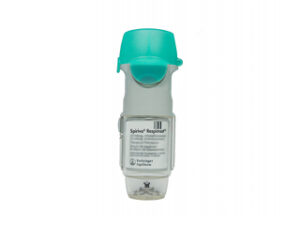
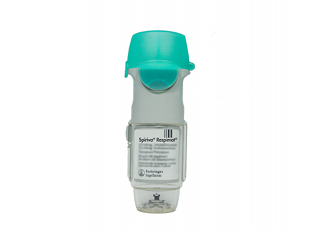
| Common Australia Brand Names | Spiriva®, Spiriva Respimat® |
| ATC Code | R03BB04 |
| Available Forms and Strengths |
|
| Manufacturers | Boehringer Ingelheim Pty Limited (Australia) |
| Prescription Status | Prescription Only (Schedule 4 Medicines in Australia) |
Mechanism of Action
For Patients: Tiotropium Bromide is a long-acting bronchodilator, meaning it helps to open your airways and make breathing easier. It works by blocking certain chemical signals (muscarinic receptors) in the lungs, relaxing the muscles in the airways so that air can flow more freely.
For Specialists: Tiotropium is a long-acting, muscarinic antagonist (LAMA) with specificity for the M3-receptor subtype in the bronchial smooth muscle. It reduces bronchoconstriction by inhibiting acetylcholine-mediated bronchomotor tone.
Pharmacokinetics
- Absorption: Approximately 19% is bioavailable after inhalation; systemic exposure is low, minimising side effects.
- Distribution: After inhalation, tiotropium is distributed mainly in the lungs.
- Metabolism: Partially metabolised by the liver (CYP2D6 and CYP3A4) but mainly excreted unchanged.
- Elimination: About 74% is excreted unchanged in urine; the remainder via faeces.
- Duration of Action: 24 hours, allowing for once-daily dosing.
Use in Everyday Life and Best Practices
How Tiotropium Is Used in Australia:
Tiotropium is used as a maintenance treatment for adults with chronic obstructive pulmonary disease (COPD), including chronic bronchitis and emphysema, and for some patients with asthma who need additional bronchodilation. It is not suitable for acute relief of breathing problems.
- Typical dose: One inhalation (18 mcg) from a capsule or two puffs (5 mcg total) from a Respimat inhaler once daily, at the same time each day.
- How to use: Always follow your doctor’s or pharmacist’s instructions. Do not swallow capsules; only use them in the HandiHaler® device or Respimat as directed.
- Best practice: Use at the same time each day. Do not exceed prescribed dose.
- Not a rescue inhaler: Always have a separate short-acting reliever inhaler for sudden symptoms.
English Context: In Australia, Tiotropium is primarily prescribed by GPs and respiratory specialists, and pharmacists offer device demonstrations during dispensing. The medicine is subsidised by the Pharmaceutical Benefits Scheme (PBS) for eligible conditions.
Dosing in the Morning vs Evening
- Morning dosing is generally preferred as it provides all-day symptom control and fits well into most daily routines.
- Evening dosing may be convenient for those who tend to forget morning medications, but there is no significant difference in efficacy or safety.
- Tip: Choose a consistent time that fits your schedule, and set a mobile phone reminder or use a medication diary.
Taking with Food or On an Empty Stomach
Tiotropium is inhaled and not absorbed through the digestive tract, so meals and common Australian diets do not affect its absorption. You can use it with or without food, at any time of day, but avoid coffee or tea immediately before using the inhaler to reduce the risk of throat irritation.
Interaction Warnings
| Interaction | Nature of Interaction | Recommended Action |
|---|---|---|
| Other anticholinergics (e.g., ipratropium, glycopyrronium) | Increased risk of side effects (dry mouth, constipation, urinary retention) | Avoid combination or consult your doctor |
| Cimetidine, ketoconazole (strong CYP inhibitors) | Potential increase in tiotropium blood levels | Monitor for side effects |
| Alcohol | No direct interaction, but excess can worsen respiratory symptoms | Limit alcohol intake |
| Food | No effect (inhaled only) | No precautions needed |
| Other inhalers (e.g., LABA, ICS) | Safe, can be used in COPD or asthma management | Follow personalised care plan |
Indications
| Medical Condition | Official Indication | Off-Label Use |
|---|---|---|
| COPD (Chronic Obstructive Pulmonary Disease) | Maintenance bronchodilator therapy | N/A |
| Asthma (adults >18 years with severe, persistent symptoms) | Add-on therapy when inhaled corticosteroids and LABA are insufficient | N/A |
| Pediatric Asthma (<18 years) | N/A | Occasional off-label specialist use, not PBS subsidised |
Dosing According to Clinical Indication
| Indication | Population | Recommended Dose | Maximum Dose |
|---|---|---|---|
| COPD | Adults (≥18 years) | 18 mcg capsule (HandiHaler), or 2 puffs (2.5 mcg/puff, Respimat) once daily | Same as recommended |
| Asthma (refractory) | Adults (≥18 years) | 2 puffs (2.5 mcg/puff, Respimat) once daily | Same as recommended |
| Children <18 years | Pediatric | Not routinely recommended | Consult specialist |
| Elderly patients | ≥65 years | Standard adult dose | No adjustment needed; monitor for side effects |
| Kidney impairment | Adults | Standard adult dose | Cautious use and closer monitoring |
Safety Profile and Side Effects
Tiotropium is generally well tolerated, but side effects may occur. Most are mild and temporary.
| Frequency | Potential Side Effect | Advice |
|---|---|---|
| Common (>1%) | Dry mouth, sore throat, cough, hoarseness | Stay hydrated; rinse mouth after use |
| Uncommon (<1%) | Constipation, blurred vision, difficulty passing urine, sinus infections | Discuss with a health professional |
| Rare | Allergic reactions (rash, swelling, breathing difficulty), palpitations | Seek immediate medical attention |
| Warnings | Use with caution in glaucoma and in men with prostate problems | Discuss risks with your doctor |
Guidelines for Proper Use (Australia)
- Use only the device (HandiHaler or Respimat) provided with your prescription.
- Inhaler technique is crucial for good results—pharmacists and nurses are available for coaching in major Australia chemists and clinics.
- Store devices and capsules/solutions at room temperature, away from moisture.
- Never swallow the capsules; only inhale the contents via your device.
- After use, rinse your mouth to prevent dryness and throat irritation.
- Keep a record and bring your inhaler to reviews or check-ups for technique assessment.
- If you miss a dose, use it as soon as you remember unless it’s almost time for your next dose—never double up.
- Dispose of used capsules or cartridges safely, as household waste
- Consult your GP or pharmacist for support programs available through your pharmacy or the Australian Lung Foundation.
Alternative Treatment Options
- Glycopyrronium (Seebri®): Another long-acting muscarinic antagonist (LAMA), subsidised by the PBS. Similar efficacy, may have different device/handling preferences.
- Aclidinium (Bretaris®): LAMA, twice daily dosing; comparable bronchodilation, but shortens nighttime coverage.
- Umeclidinium (Incruse®): Once daily LAMA, convenient, similar side effect profile.
- LABA/LAMA or LABA/ICS Combinations: Offer synergistic effects for some patients and may reduce exacerbations compared with single-agent therapy.
- Ipratropium (Atrovent®): Short-acting anticholinergic—less convenient due to more frequent dosing, mainly used in acute exacerbations.
Pros and Cons: Tiotropium is generally preferred for once-daily dosing and ease of use, but discussing your individual needs with your healthcare provider will identify the best option.
Legal, Registration, and Reimbursement Status in Australia
- Registered with the Therapeutic Goods Administration (TGA): www.tga.gov.au
- Prescription required (Schedule 4—S4 Medicine)
- Reimbursed by the Pharmaceutical Benefits Scheme (PBS) for COPD and severe asthma failing combination therapy (www.pbs.gov.au)
- Subsidised for eligible Australian residents under Medicare
- Not subject to URPL requirements (European context—irrelevant in AU)
- Most Australian pharmacies stock the product; supply may be limited in some rural/remote areas—pharmacist can organise stock on request
Latest Research & Clinical Guidance (2022–2025)
- AstraZeneca/Respimat studies (2022–2023): Confirmed continued efficacy and safety in moderate to severe COPD and as add-on therapy in specific difficult-to-control asthma (GOLD 2023, GINA 2024, Australian Asthma Handbook v2.2).
- GOLD 2024 & COPD-X Australian Guidelines: Tiotropium remains first-line LAMA for symptomatic control in moderate and severe COPD.
- Asthma—Australian National Asthma Council (2024): Approved as add-on in difficult asthma where inhaled corticosteroid/LABA combination is not sufficient.
- Meta-analyses (Chang, Med J Aust 2023; Hamilton et al., NEJM 2022): No major new safety concerns. Long-term use is associated with reduced exacerbations and improved quality of life.
- Pediatric use: Remains limited to research only, not routinely recommended.
Availability and Delivery
- Supplied in packs of 30 capsules (HandiHaler®) or 60-actuation cartridges (Respimat®).
- Available in most community pharmacies and hospital dispensaries nationwide.
| City | Average Delivery Time (in-stock) | Indicative PBS Subsidised Price | Indicative Retail Price (private script) |
|---|---|---|---|
| Sydney | <24 hours | $30.30 (PBS concessional), $165 (general patient) | $72–$120 |
| Melbourne | <24 hours | As above | As above |
| Brisbane | <24 hours | As above | As above |
| Perth | 24–48 hours | As above | As above |
| Adelaide | 24–48 hours | As above | As above |
| Rural/Remote | 2–5 days* | As above | As above |
*Discuss delivery options with your pharmacy. Express post and community health services are available for remote regions.
FAQ – Frequently Asked Patient Questions
- Is Tiotropium safe for long-term use?
Yes, it is specifically designed for long-term maintenance and has been studied extensively for safety. Your doctor will regularly review your condition and adjust treatment if needed. - Can I use Tiotropium together with other inhalers?
Yes, Tiotropium is often used with other inhalers such as inhaled corticosteroids or LABAs. Avoid using with other anticholinergic inhalers unless specifically advised. - What should I do if I forget to take a dose?
Take your dose as soon as you remember. If it’s almost time for your next dose, skip the missed one—do not take extra doses. - Can I drink alcohol or coffee while using Tiotropium?
Alcohol does not interact with Tiotropium, but excessive use can worsen respiratory symptoms. Coffee is fine but avoid drinking it immediately before using your inhaler to reduce throat irritation. - Will Tiotropium cure my COPD or asthma?
No, it does not cure airway diseases but helps control symptoms and improve quality of life when used regularly.
For Further Information
Please consult your doctor, pharmacist, or National Asthma Council Australia for individualised advice and device training.