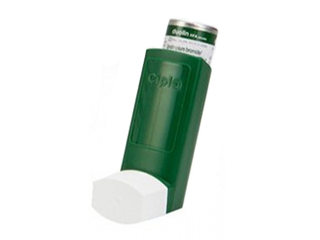
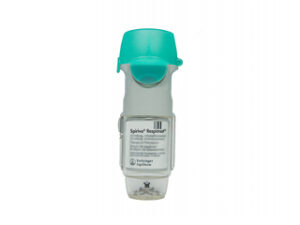
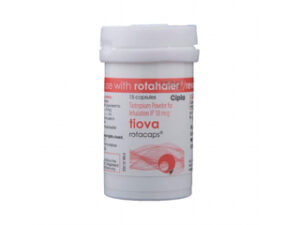
Tiova Inhaler (Tiotropium Bromide): Comprehensive Patient Medicine Guide (Australia)
1. Basic Product Information
| International Nonproprietary Name (INN) | Tiotropium Bromide |
|---|---|
| Brand Names (Australia) | Tiova Inhaler, Spiriva, Spiriva Respimat, Spiriva HandiHaler, Tiotropium Generic |
| ATC Code | R03BB04 |
| Available Forms & Strengths | Inhaler: 18 mcg/capsule (HandiHaler device), 2.5 mcg/puff (Respimat device) Pack Sizes: 30, 60 capsules or inhaler doses |
| Manufacturer | Glenmark Pharmaceuticals (Tiova); Boehringer Ingelheim (Spiriva) |
| Prescription Status | Prescription medicine (Schedule 4, S4, Australia) |
2. Mechanism of Action
For Patients: Tiova Inhaler contains tiotropium bromide, a long-acting bronchodilator. It works by relaxing the muscles around your airways so that you can breathe more easily. After inhaling, you may notice improved airflow in your lungs for up to 24 hours.
For Healthcare Professionals: Tiotropium is a long-acting antimuscarinic agent (LAMA). It selectively blocks M3 muscarinic receptors in the bronchial smooth muscle, reducing acetylcholine-mediated bronchoconstriction and resulting in significant, sustained bronchodilation.
3. Pharmacokinetics
- Absorption: Inhaled tiotropium is rapidly absorbed via the lungs, with absolute bioavailability of roughly 19%. Systemic exposure is low due to local airway activity.
- Metabolism: Tiotropium is minimally metabolised (CYP2D6, CYP3A4), primarily excreted unchanged.
- Elimination: Renal excretion (74% of dose), with a terminal elimination half-life of 5–6 days.
- Duration of Action: Up to 24 hours bronchial protection after a single dose, enabling once-daily use.
4. Everyday Use and Best Practices (Australian Context)
Typical Use: Tiova Inhaler is used regularly (once daily) to manage symptoms of chronic obstructive pulmonary disease (COPD), including chronic bronchitis and emphysema, and in some cases, asthma. It is not for acute symptom relief — a quick-relief/rescue inhaler should still be used for sudden breathlessness.
- Remove one capsule from the blister (for capsule-based inhalers), place in the inhaler chamber.
- Breathe out gently (away from the inhaler), then inhale forcefully and deeply through the mouthpiece.
- Hold your breath for a few seconds before exhaling slowly.
- Do not swallow capsules! They are for inhalation only.
- Clean your inhaler regularly as per the manufacturer's instructions.
Australian advice: Incorporate inhaler use into your morning or evening routine, such as with brushing teeth, to aid adherence. Speak to your pharmacist about a yearly device check.
5. Morning vs Evening Dosing
- Morning Use: May provide optimal day-long symptom control, aligning with waking hours and daily activity.
- Evening Use: Suitable for those with nocturnal symptoms. Either time is safe, but choose a time you can consistently remember.
- Avoid missing doses—set a reminder if needed. Do not double dose if missed; simply take the next scheduled dose.
6. Taking With or Without Food
Food does not affect tiotropium's absorption when inhaled. You may use your Tiova Inhaler before or after meals, according to personal preference and routine. Enjoy a typical English/Australian diet as normal, but remember the inhaled capsule is not to be swallowed.
7. Interaction Warnings
| Interacting Substance | Effect/Advice |
|---|---|
| Other anticholinergic medicines (e.g. ipratropium, glycopyrronium) | May increase side effect risk; avoid use together unless advised. |
| Ketoconazole, ritonavir (powerful CYP450 inhibitors) | Minimal interaction, but still inform your doctor of all medicines. |
| Alcohol | No significant interaction. Drink moderate amounts as per Australian guidelines. |
| Food, dairy, citrus juices | No interaction; inhaler use not affected by diet. |
| Other inhaled/nebulised drugs | May use as prescribed, but always space apart and follow your asthma/COPD action plan. |
8. Indications
| Official Indications | Maintenance treatment of COPD (including chronic bronchitis and emphysema); maintenance treatment of asthma (as add-on therapy, ≥6 years old in select patients) |
|---|---|
| Off-label/Other Uses | Occasionally in chronic cough or overlap syndromes, but not routinely recommended. |
9. Dosing by Population
| Indication & Patient | Recommended Dose | Max Dose | Comments |
|---|---|---|---|
| COPD (Adult) | 1 capsule (18 mcg) once daily via inhaler | 1 capsule/18 mcg daily | HandiHaler or similar dry-powder inhalers |
| Asthma (Adult/Teen ≥18 years) | 2.5 mcg (2 puffs) once daily (Respimat device) | 2.5 mcg (2 puffs) daily | When uncontrolled on ICS/LABA |
| Children (6–17 years, asthma only) | 2.5 mcg (2 puffs) once daily (Respimat) | Consult paediatric specialist | Not for COPD in children |
| Elderly (≥65) | As adult dose | As adult dose | No routine dose adjustment, monitor renal function |
| Renal impairment | As adult dose | As adult dose | Monitor for anticholinergic side effects |
10. Safety Profile and Side Effects
| Frequency | Side Effect | Advice |
|---|---|---|
| Common (>1%) | Dry mouth, sore throat, mild cough, nasal congestion, headache, constipation | Usually mild and transient. Drink water, maintain oral hygiene. |
| Uncommon (<1%) | Urinary tract infection, blurred vision, skin rash | Contact your GP if troubling or persistent. |
| Rare (<0.1%) | Allergic reaction, palpitations, difficulty passing urine, glaucoma symptoms (eye pain, vision changes) | Seek immediate medical attention if severe allergy, eye symptoms, or sudden breathlessness occur. |
| Warnings | Use in those with urinary retention, prostatic hypertrophy, or glaucoma requires caution. | Report any visual changes or painful urination promptly. |
11. Guidelines for Proper Use (Australian Advice)
- Inhale at the same time each day for best results. Choose morning or evening based on convenience and your symptoms.
- Store capsules in the blister until just before use to prevent moisture exposure.
- Do not swallow the capsules — use only with the supplied inhaler device.
- Clean the device weekly, as per manufacturer guidance, to avoid blockages.
- If you have difficulty using the inhaler, ask your GP, nurse, or community pharmacist for an inhaler technique review.
- Dispose of spent capsules responsibly — do not crush or allow children/pets access.
- Attend annual asthma/COPD reviews. Request a written action plan, especially before travel or flu season.
12. Alternative Treatment Options
- Other LAMAs: Glycopyrronium (Seebri Breezhaler), umeclidinium (Incruse Ellipta) – similar effectiveness, choice may depend on device preference or availability.
- LABA/LAMA combinations (dual bronchodilators): E.g., indacaterol/glycopyrronium (Ultibro). May offer increased symptom control with one daily device.
- Inhaled corticosteroids (ICS)/LABA combinations: For patients with frequent exacerbations or mixed asthma-COPD symptoms (e.g., Seretide, Symbicort).
- Short-acting bronchodilators (relief): Salbutamol (Ventolin), ipratropium—as needed only, not substitutes for maintenance therapy.
- Lifestyle and non-pharmacologic therapy: Pulmonary rehabilitation, quitting smoking, annual flu vaccine, exercise, weight optimisation.
Pros & Cons Summary:
Tiotropium (Tiova/Spiriva) is considered highly effective, requires only once daily administration, and is well-tolerated. Some alternatives may offer combination therapy in a single device. Discuss all options with your healthcare professional.
13. Legal, Registration, and Reimbursement Status in Australia
- Legal status: S4 prescription-only medicine in Australia, not available as over-the-counter.
- Registration: Registered with the Therapeutic Goods Administration (TGA).
- Reimbursement: Funded under the Pharmaceutical Benefits Scheme (PBS) for COPD and for asthma in patients meeting clinical criteria. Check your eligibility with your GP or pharmacist.
Supply regulations: Please present a valid prescription from an Australian-registered healthcare provider.
14. Latest Research and Clinical Guidance (2022-2025)
- COPD: Australian and global guidelines (e.g., GOLD 2023; Lung Foundation Australia) recommend tiotropium as a first-line maintenance option for moderate-to-severe COPD.
- Asthma: Tiotropium is supported as add-on therapy in adults and children ≥6 years whose asthma remains uncontrolled despite inhaled corticosteroids and a long-acting beta-agonist (GINA 2023).
- Evidence: Recent Cochrane reviews find tiotropium improves lung function, reduces symptom flare-ups and hospitalisations, and is similarly or slightly better tolerated than other LAMAs.
- Safety: Long-term studies reinforce a low risk of severe adverse events. Renal impairment requires monitoring, but no new major warnings have emerged in latest updates (2022–2024).
References: GOLD 2023. GINA 2023. Lung Foundation Australia COPD-X Concise Guide 2024. TGA Product Information, PBS Listings.
15. Availability and Delivery Information
| Pack Size | Contents | Indicative PBS Price (AUD) | Delivery Estimate (Major Cities) |
|---|---|---|---|
| 30 capsules/30 days | 30 x 18 mcg capsules + inhaler | $39.50 (PBS subsidy), $110-130 (private) | Sydney: 24 hours Melbourne: 24–48 hours Brisbane/Adelaide: 2 business days Perth: 2-3 business days Regional/rural: 3-5 business days |
| 60 doses | Respimat device; 60 x 2.5 mcg puffs | $39.50 (PBS subsidy), $110-130 (private) | As above |
Note: Contact your chosen pharmacy for real-time stock and home delivery options. Most pharmacies in Australia can arrange express or standard shipping, especially for major cities.
16. Frequently Asked Questions (FAQ)
- How soon will I feel better after starting Tiova Inhaler?
Most patients notice easier breathing within 1–3 days. Full benefits often develop over 4–8 weeks of regular use. - Can I use my reliever inhaler (like Ventolin) with Tiova?
Yes, use your reliever as needed for sudden symptoms. Tiova is for maintenance and should be taken daily. - What if I miss a dose?
Take your next dose at the usual time. Do not take a double dose to make up for the missed one. - Is it safe during pregnancy or while breastfeeding?
Data are limited. Discuss with your doctor; tiotropium is only recommended if the potential benefit outweighs any risk. - Does Tiova Inhaler contain steroids?
No, tiotropium is a bronchodilator, not a steroid. It may be used alone or with other inhalers that do contain steroids.
For further information or personalised guidance, speak to your GP, respiratory nurse, or local Australian community pharmacist.