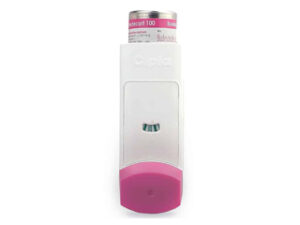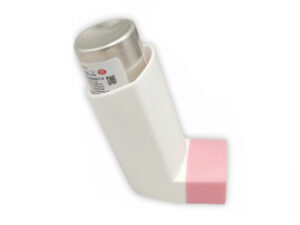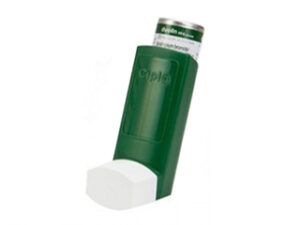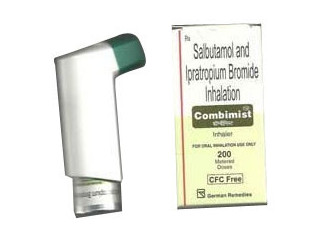

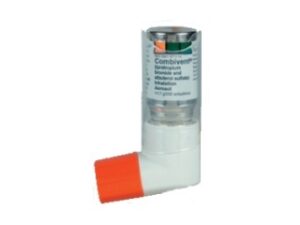
Combimist L Inhaler: Patient Information and Guidance (Australia)
1. Basic Product Information
| International Non-Proprietary Name (INN) | Levosalbutamol and Ipratropium Bromide |
|---|---|
| Australia Brand Names | Combimist L, Duolin, Ipramol Steri-Neb (note: trade names may vary among suppliers) |
| ATC Code | R03AK04 |
| Available Forms & Strengths | Inhalation aerosol (MDI): Levosalbutamol 50mcg + Ipratropium Bromide 20mcg per actuation; 200 actuations per inhaler |
| Manufacturers (Australia Suppliers) | Cipla, Mylan, Generic Health, Alphapharm |
| Prescription Status | Prescription only (Schedule 4: Prescription Medicine, PBS listed for approved indications) |
2. Mechanism of Action
Simple Explanation: Combimist L Inhaler contains two medicines that help open up the airways in your lungs. Levosalbutamol (a bronchodilator) relaxes the muscles around the small airways, making it easier to breathe. Ipratropium bromide (an anticholinergic) helps keep the airways open by blocking certain nerve signals that cause the airways to tighten.
Specialist Detail: Levosalbutamol is a selective β2-adrenergic agonist with potent bronchodilatory effects, reducing bronchospasm in the lower airways. Ipratropium bromide is a muscarinic receptor antagonist (M1/M3), inhibiting acetylcholine-mediated bronchoconstriction. Their combined action offers complementary relief for patients with reversible airway disease.
3. Pharmacokinetics
- Absorption: Rapidly absorbed through the lungs; minimal oral absorption due to first-pass metabolism.
- Metabolism: Levosalbutamol is metabolised in the liver (CYP450); ipratropium bromide largely remains unchanged due to poor systemic absorption.
- Elimination: Levosalbutamol has urinary excretion of metabolites; ipratropium is primarily renally excreted (approx. half-life 1.6 hours for ipratropium, about 5-6 hours for levosalbutamol).
- Duration of action: Relief typically lasts 4–6 hours; onset within 5–15 minutes.
4. Use in Everyday Life and Best Practices (Australia Context)
When and How to Use:
- Follow your doctor or pharmacist’s instructions at all times.
- Typical adult dose: 1–2 inhalations, three to four times daily.
- Inhale while sitting upright or standing – this helps ensure deep delivery into the lungs.
- Always shake the inhaler before use and exhale completely, then place the mouthpiece between your lips and press the canister as you inhale deeply. Hold your breath for up to 10 seconds before exhaling.
- Clean the mouthpiece weekly to prevent blockages; store the inhaler in a cool, dry place (especially important in Australia’s varied climate).
- If you are prescribed a spacer device, use it to facilitate accurate dosing (recommended for children, elderly, and those with coordination difficulties).
5. Dosing in the Morning vs Evening
- Morning Use: Can reduce morning breathing symptoms (common in asthma/COPD). May help prepare for daily activities, work, or school.
- Evening Use: Can reduce nocturnal symptoms and improve sleep quality. Discuss with your doctor if nighttime symptoms are prominent.
- Tips: Establish a regular schedule matching your symptom pattern. Try to use your inhaler at similar times each day, and record doses in a medication diary if needed.
- Best practice: Avoid doubling up doses if you forget; simply resume your schedule at next prescribed time.
6. Taking with Food or on an Empty Stomach
- Combimist L is not affected by meals; you can use the inhaler before or after food.
- It might be easier for some people to tie inhaler use with mealtimes as a reminder, but this is not clinically necessary.
- No specific interactions with typical English diets (including common foods such as bread, lamb, chicken, dairy, legumes, fruits, or vegetables).
7. Interaction Warnings
| Type | Medicine or Substance | Interaction/Advice |
|---|---|---|
| Alcohol | Alcohol (any amount) | Low risk of direct interaction, but excessive drinking may worsen breathing problems and reduce inhaler coordination. |
| Other Respiratory Medicines | Other β2-agonists, anticholinergics, corticosteroids | May increase side effects (e.g., tremor, dry mouth, heart symptoms). Use combination only under supervision. |
| Heart Medications | Beta-blockers (e.g., atenolol, metoprolol) | May reduce effectiveness; discuss with your doctor. |
| Diuretics | Thiazides, loop diuretics | May increase risk of low potassium (potentiating hypokalaemia). |
| Antidepressants | MAOIs, tricyclics | May potentiate cardiovascular side effects; check with your healthcare provider. |
| Foods | None known | No significant interactions. |
8. Indications
| Official (TGA Approved) | Relief and prevention of bronchospasm in patients with chronic obstructive pulmonary disease (COPD), including chronic bronchitis and emphysema; adjunct in severe asthma not controlled on a single inhaler |
|---|---|
| Off-label | Occasionally used in refractory acute asthma in emergency settings and selected cases of non-cystic fibrosis bronchiectasis (off-label use at clinician discretion). |
9. Dosing According to Clinical Indications
| Indication | Patient Group | Start Dose | Maximum Dose (per day) |
|---|---|---|---|
| COPD maintenance | Adults | 1–2 puffs, 3–4 times daily | 12 puffs |
| Acute bronchospasm | Adults | 2 puffs, as required (minimum 4–6 hours apart) | 12 puffs |
| Asthma rescue | Children (6–12 yrs) | 1 puff, up to 3 times daily | 6 puffs |
| Elderly | Start at lowest adult dose; monitor for side effects | As above |
Always follow individualised advice from your healthcare provider.
10. Safety Profile and Side Effects
| Frequency | Side Effect | Advice |
|---|---|---|
| Common (>1%) | Dry mouth, cough, headache, mild tremor, palpitations | Usually temporary; report to doctor if persistent |
| Occasional (0.1–1%) | Throat irritation, nausea, racing heart, blurred vision, dizziness | Reduce dose if possible; seek advice |
| Rare (<0.1%) | Severe allergic reaction (rash, swelling), chest pain, urinary retention, eye pain | Stop use; seek emergency medical attention |
| Warnings | Not suitable for sudden severe asthma attacks or in those with allergy to soya/peanut (if excipients), glaucoma, or certain prostate/urinary conditions | Pre-use medical assessment recommended |
11. Guidelines for Proper Use (Australia Practice)
- Have your inhaler technique reviewed at least once a year by your pharmacist, nurse, or doctor—incorrect use is very common and can reduce effectiveness.
- Always carry your reliever inhaler (Combimist L) if you are leaving home for work, school, or public events.
- If you have a written asthma or COPD action plan, ensure Combimist L is included and follow it during flare-ups.
- Dispose of used inhalers at your local pharmacy for environmental reasons under Australia’s Return Unwanted Medicines (RUM) project.
- Replace the inhaler when the dose counter reaches zero, even if the canister feels like it has some spray left.
12. Alternative Treatment Options
- Single-agent inhalers — e.g., salbutamol (Ventolin), ipratropium bromide (Atrovent), for those who are only mildly symptomatic.
- Other combination inhalers — such as budesonide/formoterol (Symbicort), fluticasone/salmeterol (Seretide), indacaterol/glycopyrronium (Ultibro Breezhaler) — which combine steroid and long-acting bronchodilator for persistent symptoms, as per National Asthma Council recommendations.
- Nebulised forms — e.g., for severe exacerbations in home or hospital settings (reimbursed under the PBS for certain indications).
Pros: More tailored symptoms control, range of alternatives; cons: More expensive, require correct technique, may have different side effect profiles, and prescription restrictions under the Pharmaceutical Benefits Scheme (PBS).
13. Legal, Registration and Reimbursement Status in Australia
- TGA registered medicine: Therapeutic Goods Administration (TGA) listing for approved indications.
- PBS reimbursed for COPD and acute severe asthma when prescribed by an authorised prescriber.
- Classified as Schedule 4 (Prescription Only); legal supply only via medical prescription in Australia.
- Not available over the counter.
14. Latest Research and Clinical Guidance (2022–2025)
- The National Asthma Council Australia 2022-2024 and COPD-X Guidelines endorse combination inhalers for moderate-to-severe symptoms or exacerbations unresponsive to single-agent relievers (Updated Australian Asthma Handbook, September 2022).
- Recent meta-analyses (Eur Respir J 2023; 61(4): 2300129) show that dual bronchodilation improves symptom relief and reduces hospital admissions when compared with single-agent use in moderate-to-severe COPD.
- Ongoing studies (Australian New Zealand Clinical Trials Registry ACTRN12621000482832) are comparing optimal morning versus evening dosing to align inhaler timing with circadian rhythm of symptoms.
15. Availability and Delivery (Australia)
| Pack Size | Indicative Retail Price (2024 AUD) | Typical Delivery Time (Major Cities) |
|---|---|---|
| 1 x 200 dose inhaler | $25–$42 (PBS subsidised for eligible patients) |
|
16. Frequently Asked Questions (FAQ)
- Is Combimist L addictive or habit-forming?
No. Combimist L is a reliever inhaler, not addictive, and can be safely used as directed by your doctor. - Can I use Combimist L if I’m pregnant or breastfeeding?
Only use if clearly recommended by your doctor. Safety in pregnancy and breastfeeding has not been fully established; benefits and risks must be weighed by your prescriber. - What should I do if I accidentally take too many puffs?
You may experience palpitations, tremors, or chest pain. Seek medical attention if you feel unwell or have severe symptoms. - My inhaler feels empty but the counter shows doses left. Should I keep using it?
Yes, continue use until the dose counter reads zero, then dispose of it at a pharmacy. The inhaler design ensures accurate dosing. - Can I drive or use heavy machinery after using Combimist L?
In most cases, yes. However, if you feel dizzy or tremulous, avoid these activities until symptoms resolve.
For further advice, always consult your local pharmacist or doctor. This information does not replace medical consultation and is current as of June 2024.