Budecort (Budesonide): Patient Information for Australia
Basic Product Information
| International Non-proprietary Name (INN) | Budesonide |
|---|---|
| Australian Brand Names | Budecort, Pulmicort, Rhinocort, Entocort |
| ATC Code | R03BA02 (respiratory use), A07EA06 (gastrointestinal use) |
| Available Forms and Strengths |
|
| Manufacturers | AstraZeneca Pty Ltd, Cipla Australia, Mylan Health |
| Prescription Status | Prescription only (Schedule 4 — S4 Medicine) |
Mechanism of Action
For Patients: Budesonide is a type of corticosteroid medicine that works by reducing inflammation in your airways or in the gut. This helps prevent asthma attacks, makes breathing easier, and relieves symptoms of some bowel diseases.
For Specialists: Budesonide binds to intracellular glucocorticoid receptors, regulating gene expression and inhibiting the release of inflammatory cytokines. It produces potent local anti-inflammatory effects with low systemic bioavailability, limiting adverse effects.
Pharmacokinetics
- Absorption: Rapid for inhaled/nasal forms (time to peak plasma: 0.5–2 hours); oral forms have lower bioavailability (approx. 10–15% due to first-pass hepatic metabolism).
- Metabolism: Extensively metabolised in the liver (CYP3A4 pathway) to inactive metabolites.
- Elimination: Mainly excreted in urine (60%); small amounts in faeces.
- Duration of action: Approximately 12–24 hours after inhalation; half-life is 2–4 hours.
Use in Everyday Life and Best Practices in Australia
- Typical doses:
- Asthma (inhaled): Adults 200–800 mcg/day, usually divided into two doses. Children may start at 100–400 mcg/day (check with your doctor).
- COPD: 200–400 mcg, twice daily, depending on severity.
- Crohn's disease/ulcerative colitis: 9 mg oral once daily (see table below for age-specific guidance).
- How to use: Always follow your healthcare provider’s instructions. Rinse your mouth after using inhaled Budecort to reduce risk of oral thrush.
- Inhalers/nebules come with clear pictorial guides—ask your Australian pharmacist for a demonstration if unsure.
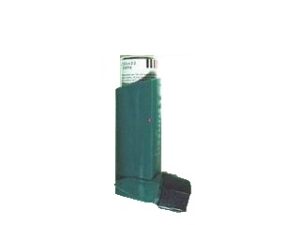
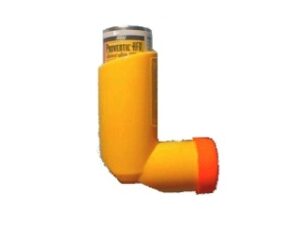
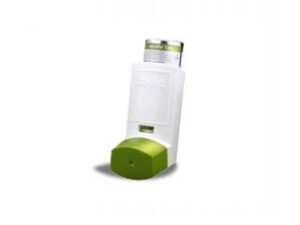
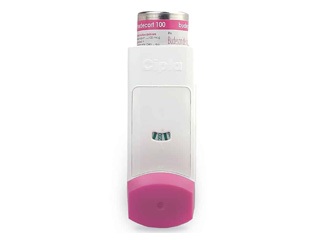
- Devices vary (Turbuhaler, pMDI metered-dose, respules for nebulizers)—use exactly as prescribed.
Dosing: Morning vs. Evening
- Morning: Some people find it easier to remember medication in the morning; may reduce impact on sleep.
- Evening: For conditions with night-time symptoms (nocturnal asthma), an evening dose may provide better symptom control.
- General advice: Take your dose at the same time(s) each day to maintain even control.
- Tip: Use with other daily routines (e.g., after brushing teeth) to improve regularity.
Taking with Food or on an Empty Stomach
- Inhaled/Nasal Budesonide: Food does not affect absorption; use at any time irrespective of meals.
- Oral Budesonide (for bowel conditions): Take before breakfast or as directed; taking with food may reduce upper gastrointestinal side effects, but maximum effectiveness is on an empty stomach.
- Australian dietary context: There are no interactions with typical English or Western diets; continue normal meals unless your doctor advises otherwise.
Interaction Warnings
| Type | Specific Items | Effect |
|---|---|---|
| Medicines |
|
|
| Foods | Grapefruit or grapefruit juice | May increase budesonide concentration; avoid grapefruit products |
| Alcohol | Moderate to high intake | No direct interaction, but excessive use may aggravate stomach side effects |
Indications for Use
| Indication | Approved Use | Off-label Use |
|---|---|---|
| Asthma (chronic management) | Yes (main indication) | |
| Chronic Obstructive Pulmonary Disease (COPD) | Yes (adjunctive therapy, maintenance) | |
| Allergic/Non-allergic Rhinitis | Yes | |
| Crohn’s Disease, Ulcerative Colitis | Yes (mild to moderate cases) | |
| Eosinophilic Oesophagitis | Yes (off-label; advice from specialist required) |
Dosing According to Clinical Indication
| Indication | Adult Dose | Pediatric Dose | Elderly Dose |
|---|---|---|---|
| Asthma (inhaled) | 200–800 mcg daily (in 1–2 divided doses) | 100–400 mcg daily | As for adult; caution with comorbidities |
| COPD (inhaled) | 200–400 mcg twice daily | Not typically indicated | As for adult |
| Allergic Rhinitis (nasal spray) | 64–256 mcg daily (1–2 sprays per nostril) | 32–64 mcg per nostril daily | As for adult |
| Crohn’s Disease/Ulcerative Colitis (oral) | 9 mg daily (morning; usually max 8 weeks) | 6–9 mg daily (specialist advice needed) | As for adult; check renal/hepatic status |
Safety Profile and Side Effects
| Frequency | Side Effect | Notes/Warnings |
|---|---|---|
| Common (≥1%) |
| Rinse mouth with water after use; report persistent symptoms |
| Uncommon/Rare (<1%) |
| Report any new or unusual symptoms to your doctor or pharmacist immediately |
| Warning | Potential effect on bone density, mood changes, infection risk | Monitor with regular medical reviews (especially if using systemic steroids long-term) |
Guidelines for Proper Use (Practical Tips for Australia)
- Use your inhaler or nasal spray exactly as instructed by your doctor.
- Wash hands before use and keep your device clean to prevent infection.
- If you miss a dose, take it as soon as you remember, but skip if it’s nearly time for the next dose—do not double dose.
- Store your medication below 25°C, away from direct sunlight and moisture. Carry a spacer if advised for pMDIs.
- Inhalers can be used during pollen season or during “fire season” (bushfire smoke risk) as per your doctor's plan—consult your pharmacist for asthma action plans suited to the Australia climate.
- Attend annual asthma or respiratory reviews with your GP or nurse; bring your device for inhaler technique check.
Alternative Treatment Options
- Inhaled corticosteroids: Fluticasone (Flixotide), Beclomethasone (Qvar) – similar efficacy profiles, may vary in device type and cost.
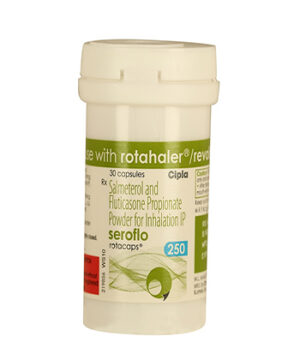
- Combination inhalers: Budesonide/formoterol (Symbicort), Fluticasone/salmeterol (Seretide), Beclomethasone/formoterol (Fostair) – may be beneficial for those requiring additional bronchodilation.
- Leukotriene antagonists: Montelukast – suitable for some asthma or hayfever patients.
- Oral steroids (prednisolone, hydrocortisone): Used short-term for acute flare-ups only due to higher side effect risk.
Comparative overview: Budesonide has a favourable safety profile and is recommended as first-line for many asthma and inflammatory bowel disease patients in Australia. Alternatives may be chosen for cost, device preference, or if side effects occur.
Legal, Registration, and Reimbursement Status in Australia
- Registered with the Therapeutic Goods Administration (TGA; ARTG listed).
- Prescription-only (Schedule 4, S4); cannot be purchased over the counter.
- Medicines containing Budesonide are typically reimbursed under the Pharmaceutical Benefits Scheme (PBS) for approved indications.
- Available from all Australia community pharmacies; rural access supported via Pharmacy Access/Remote Area Programs.
Latest Research and Clinical Guidance (2022–2025)
- NICE and Australian Asthma Handbook (2023): Budesonide remains standard inhaled corticosteroid for persistent asthma; use lowest effective dose, review regularly for step-down.
- Recent Reviews (Thorax, Lancet Gastroenterology 2023/2024): Oral budesonide is preferred for mild–moderate Crohn's disease with less systemic exposure than prednisolone; inhaled budesonide has an excellent safety profile.
- COVID-19 Guidance: Inhaled budesonide has shown benefit for symptom reduction in high-risk COVID-19 patients, but not for general prophylaxis. (PRINCIPLE trial: Lancet Respir Med. 2022)
Availability and Delivery
| Formulation | Pack Sizes | Indicative PBS Price (2024)* | Delivery Time (Metro/Regional/Rural) |
|---|---|---|---|
| Inhalation Nebule | 5 x 2 mL, 20 x 2 mL | $9.30 concession / $30–$37 general | 1–2 days (metro), 2–4 days (regional), up to 7 days (remote, NT/WA) |
| Metered Dose Inhaler | 100 or 200 puffs | $9.30 concession / $35–$40 general | As above; most devices widely stocked |
| Nasal Spray | 120 or 200 sprays | $9.30 concession / $18–$23 general | 1–2 days (metro), 3–7 days (remote) |
| Oral Capsule/Tablet | 30 or 56 tablets (3 mg) | $40–$80 (depends PBS/brand) | 2–4 days (national shipping) |
*Subject to ongoing PBS co-payment policy. Prices may vary across pharmacies.
Frequently Asked Questions (FAQ)
- Does Budecort cure asthma?
No, Budecort helps control symptoms of asthma and prevent attacks by reducing inflammation, but it does not cure the condition. Continue regular use even if you feel well, and attend your asthma reviews. - Can I use Budecort during pregnancy or breastfeeding?
Always let your doctor know if you are pregnant or breastfeeding. Budesonide is generally considered safe in pregnancy and breast-feeding, especially via inhaler, but your doctor will assess the risks and benefits on an individual basis. - How do I know if my inhaler is empty?
Most inhalers have dose counters—check the display. If not, keep track of the date you started and estimate based on the number of puffs used per day. - What should I do if I develop a white patch in my mouth?
This may be oral thrush, a common side effect. Rinse your mouth well after inhaling Budecort. Contact your doctor or pharmacist if symptoms persist. - Can I stop Budecort when I feel better?
Do not stop or reduce your dose suddenly unless advised by your doctor, as this may worsen your symptoms. Always consult your healthcare provider before making changes.
Contact Your Local Pharmacist or GP
If you have further questions, need device training, or experience any side effects, speak with your local Australia pharmacist or GP. Pharmacists can provide asthma action plans and advice on PBS eligibility and device use.