
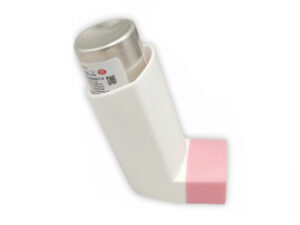
Budesonide Capsules – Comprehensive Patient Guide (Australia)
Basic Product Information
| International Nonproprietary Name (INN) | Budesonide |
|---|---|
| Australia Brand Names | Entocort® EC, Budenofalk®, Cortiment®, Entoura® |
| ATC Code | A07EA06 (Intestinal Anti-Inflammatories) / R03BA02 (Respiratory use) |
| Available Forms & Strengths | Capsules (gastro-resistant, extended-release): 3 mg Modified-release tablets: 9 mg (Cortiment) Suspension (for inhalation & oral, paediatric: not routine in AU) |
| Manufacturers | Dr. Falk Pharma, Ferring Pharmaceuticals, AstraZeneca |
| Prescription Status | Prescription Only Medicine (Schedule 4) |
Mechanism of Action
For Patients: Budesonide is a type of corticosteroid that works by reducing inflammation in your intestines or airways. It is designed to act where it's needed in your body, so it minimises “whole body” side effects. In Crohn’s disease or ulcerative colitis, it soothes your intestines; for asthma or chronic lung conditions, it helps open air passages and calms swelling.
Specialist Description: Budesonide is a synthetic corticosteroid with high topical anti-inflammatory potency and low systemic bioavailability due to substantial first-pass hepatic metabolism. It binds to glucocorticoid receptors to modulate gene transcription, suppresses pro-inflammatory cytokine production, and inhibits inflammatory cell migration.
Pharmacokinetics
- Absorption: After oral administration (capsule/tablet), budesonide is absorbed mainly in the ileum and colon. Bioavailability is typically <12%. Gastro-resistant capsules delay release until they reach the right area.
- Metabolism: Undergoes extensive first-pass metabolism in the liver, mainly via CYP3A4. This limits steroid side effects.
- Elimination: Excreted mostly in the urine as metabolites, with 10% in faeces.
- Duration of action: Around 12–24 hours, supporting once-daily dosing for most indications.
Use in Everyday Life and Best Practices
- Follow your doctor’s instructions exactly. Do not change your dose or stop the medicine suddenly.
- Take capsules/tablets whole with a full glass of water—do not crush, split, or chew.
- Commonly used for:
- Crohn’s disease
- Ulcerative colitis (mild to moderate; budesonide MMX)
- Microscopic colitis (collagenous & lymphocytic colitis)
- Eosinophilic oesophagitis (off-label)
- Asthma (other inhaled budesonide forms)
- Typical adult dose: 9 mg daily (can vary per condition)
- Check with your clinician or pharmacist about when and how to reduce/taper the dose.
Dosing in the Morning vs Evening
- In general, morning dosing is recommended, aligning with the body’s natural steroid hormone (cortisol) rhythm and reducing potential sleep disturbances.
- Single daily dose is most common. It is crucial to take it at the same time each day for best results.
- If you miss a dose, take it as soon as you remember, unless it’s near the time for your next dose; never double up.
Tips: Using a daily alarm, phone reminder, or pillbox can aid consistency.
Taking with Food or on an Empty Stomach
- Budesonide capsules should generally be taken before food (on an empty stomach) to maximise absorption, unless otherwise directed by your doctor or pharmacist.
- Modified-release formulations may vary—always check the individual product leaflet.
- Common UK/Australia diets do not significantly affect effectiveness, but heavy/fatty meals may slightly delay absorption.
- Tip: Try to take the medicine at the same time each day for best control of symptoms and lowest side effect risk.
Interaction Warnings
Budesonide interacts with several medicines and foods. Always tell your pharmacist and doctor what other medicines and supplements you use.
| Substance | Interaction | Advice |
|---|---|---|
| Grapefruit juice | Increases budesonide blood levels | Avoid |
| Ketoconazole, itraconazole (antifungals) | Major increase in steroid activity | Avoid unless advised by a specialist |
| Clarithromycin, erythromycin (antibiotics) | Raises budesonide concentration | Inform your doctor |
| St John’s Wort, rifampicin | Lowers budesonide effect | Avoid |
| Alcohol | No direct interaction but may aggravate GI symptoms | Use in moderation; discuss with care team |
| Other oral steroids | Cumulative steroid effects | Often not recommended together |
Indications
| Official (TGA-Approved) | Off-Label (Clinical Practice) |
|---|---|
|
|
Dosing According to Clinical Indications
| Condition | Adults | Paediatric | Elderly |
|---|---|---|---|
| Crohn’s Disease (active) | 9 mg once daily (up to 8 weeks) | Not routinely recommended (specialist advice) | Same as adults; monitor renal/liver function |
| Microscopic Colitis | 9 mg once daily (6–8 weeks), then taper if needed | Evidence lacking | Same as adults, cautious if comorbidities |
| Ulcerative Colitis (MMX, e.g. Cortiment) | 9 mg once daily (up to 8 weeks) | Limited data | Same; check for drug interactions |
| Eosinophilic Oesophagitis (off-label, Australian guidelines) | Variable, typically 1–2 mg daily (swallowed as oral viscous slurry) | Specialist paediatric dosing | Consultation advised |
Safety Profile / Side Effects
Budesonide is designed to minimise “whole-body” steroid effects, but side effects are still possible. Report any suspected reactions to your doctor or pharmacist.
| Common (≥1/100) | Occasional (1/1,000–1/100) | Rare (<1/1,000) |
|---|---|---|
|
|
|
Warning Signs: If you experience severe abdominal pain, persistent vomiting, vision changes, signs of infection (fever, chills), or mood changes—contact your doctor straight away.
Guidelines for Proper Use
- Keep your capsules/tablets in their original packaging until use. Store below 25°C, away from moisture and sunlight.
- Don’t use past the expiry date.
- Don’t suddenly stop taking your medicine; sudden withdrawal can be harmful.
- Attend regular reviews, especially if long-term use is planned, to monitor for side effects or steroid effects.
- Inform your GP, dentist, or specialist you take budesonide before any procedure or new prescription.
- Vaccinations: Notify your care team—some vaccines may be less effective, and live vaccines may be less safe on steroids.
- For use in children or pregnancy, always seek specialist advice.
Alternative Treatment Options Available in Australia
- Prednisolone (oral): Highly effective in acute inflammatory flares, but more likely to cause systemic side effects (weight gain, diabetes, osteoporosis).
- Mesalazine (5-ASA): Suitable for many mild to moderate inflammatory bowel diseases; fewer steroid effects but not useful for all patients.
- Azathioprine/6-Mercaptopurine (immunosuppressants): Used for long-term suppression or steroid sparing.
- Biologics (adalimumab, infliximab): For moderate–severe cases unresponsive to other medications (given in hospitals or specialty centres).
- Glucocorticoid enemas/foams: For rectal and left-sided colitis.
Pros of Budesonide: Lower risk of “whole-body” steroid side effects, effective for certain types of disease, easy to take.
Cons: Not suitable for all disease locations, still some steroid side effects, not always effective for severe flares.
Legal, Registration, and Reimbursement Status in Australia
- Registered on the Australian Register of Therapeutic Goods (ARTG) and regulated by the Therapeutic Goods Administration (TGA).
- Schedule 4 (Prescription Only Medicine)—must be prescribed by a doctor.
- Listed on the Pharmaceutical Benefits Scheme (PBS) for several indications, providing government rebate/subsidy for eligible patients.
- Not subject to special authority scripts except for select uses (e.g., Crohn’s flare). Speak to your pharmacist about your PBS co-payment.
Latest Research and Clinical Guidance (2022–2025)
- Recent large-scale reviews and RCTs (Panaccione et al., Lancet Gastroenterol Hepatol 2022; Ponsioen et al., 2023) confirm budesonide’s effectiveness and safety for mild-moderate Crohn’s and microscopic colitis, with low long-term systemic risk.
- Clinical guidelines (GESA, NICE, ECCO) recommend budesonide as first-line for mild–moderate ileocecal Crohn’s and microscopic colitis.
- New extended-release (MMX) tablets have expanded budesonide’s use in ulcerative colitis, offering less “whole-body” impact than prednisolone.
- Studies highlight the importance of hepatitis/B screening and consideration of adrenal suppression for prolonged or repeated courses.
Availability and Delivery
| Pack Size | Average PBS Price (2024) | Non-PBS Indicative Price |
|---|---|---|
| 30 capsules (3 mg) | PBS: AU$30.00 | AU$70.00–90.00 |
| 60 capsules (3 mg) | PBS: AU$60.00 | AU$120.00–160.00 |
| MMX Tablets (9 mg, 30s) | PBS: AU$38.00 | AU$120.00–180.00 |
| City | Delivery Time (Standard Exc. Remote Areas) | Delivery Time (Express) |
|---|---|---|
| Sydney | 2–4 business days | 1–2 business days |
| Melbourne | 2–4 business days | 1–2 business days |
| Brisbane | 2–4 business days | 1–2 business days |
| Perth | 3–6 business days | 2–3 business days |
| Adelaide | 3–5 business days | 2–3 business days |
| Hobart/Darwin/Remote WA/NT | Up to 7 business days | 3–4 business days |
Tip: Some pharmacies offer click & collect or direct home delivery. Stock may vary—ring ahead for availability if needed promptly.
Frequently Asked Questions (FAQ)
- Can I drink alcohol while on budesonide capsules?
Yes, occasional or moderate alcohol is not contraindicated, but heavy drinking may worsen GI symptoms and is best avoided during active disease. - Will budesonide capsules cause weight gain or “moon face” like other steroids?
Budesonide is less likely to cause such side effects compared to other oral steroids because much less of it reaches the rest of your body. - Is it safe in pregnancy or breastfeeding?
Budesonide may be prescribed in pregnancy or breastfeeding if your doctor decides the benefits outweigh the risks. Always discuss with your specialist first. - Can I stop budesonide suddenly if I feel better?
No. Always follow your prescribed course and discuss any changes with your healthcare provider. Abrupt stoppage can cause flare-ups or health risks. - What do I do if I forget to take my capsule?
Take it as soon as possible if it’s not close to your next dose, otherwise skip it—do NOT double up. Set reminders for regular daily use.
Further Support: For more information or personalised advice, speak to your pharmacist, GP, or specialist clinic. For medicine questions after hours, the Healthdirect helpline (1800 022 222) is available Australia-wide.