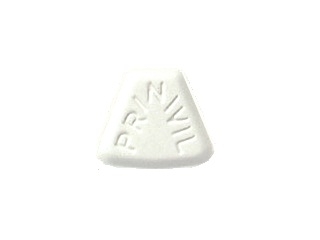
Prinivil (Lisinopril): Patient Information Leaflet – Australia
Basic Product Information
| International Non-Proprietary Name (INN): | Lisinopril |
| Australian Brand Names: | Prinivil, Zestril, APO-Lisinopril, Lisodur, Lisinopril Sandoz, others |
| ATC Code: | C09AA03 |
| Available Forms & Strengths: | Tablets: 2.5 mg, 5 mg, 10 mg, 20 mg, 30 mg, 40 mg |
| Manufacturers: | Merck Sharp & Dohme (Australia) Pty Ltd, Sandoz, Alphapharm, Apotex, Generic manufacturers |
| Prescription Status: | Prescription Only Medicine (Schedule 4, S4) |
Prinivil (Lisinopril) is a widely used prescription medicine in Australia, primarily for the treatment of high blood pressure (hypertension), heart failure, and for improving survival after heart attacks. It belongs to a group of drugs known as ACE inhibitors (Angiotensin-Converting Enzyme inhibitors).
Mechanism of Action
- In Simple Terms: Lisinopril helps to relax and widen your blood vessels, making it easier for your heart to pump blood around your body. This leads to lowered blood pressure and less strain on your heart.
- For Specialists: Lisinopril selectively inhibits the activity of angiotensin-converting enzyme (ACE), thereby preventing the conversion of angiotensin I to angiotensin II, a potent vasoconstrictor. The result is reduced aldosterone secretion, vasodilation, reduced blood pressure, and a decreased workload on the heart.
Pharmacokinetics
- Absorption: Lisinopril is efficiently absorbed in the gastrointestinal tract after oral administration. Peak plasma concentrations occur about 6–8 hours after dosing. Bioavailability is approximately 25%.
- Metabolism: Lisinopril is not metabolised in the liver. It is excreted unchanged in the urine, which is helpful for people with mild to moderate liver impairment, but dose adjustment may be needed for those with kidney disease.
- Elimination: The elimination half-life is typically 12 hours, but may be prolonged in renal impairment; clearance correlates with creatinine clearance.
- Duration of Action: Once-daily dosing typically provides 24-hour blood pressure control.
Use in Everyday Life and Best Practices
- Prinivil is commonly prescribed for long-term blood pressure control, management of chronic heart failure, and reducing risk after a heart attack.
- Typical adult starting dose is 10 mg once daily for hypertension, adjusted by your doctor up to a usual dose of 20–40 mg daily.
- For older people or those with kidney impairment, the starting dose may be lower, such as 2.5–5 mg once daily.
- Always take your medicine exactly as your doctor or pharmacist tells you. Sudden changes or stopping can lead to rebound effects such as a dangerous rise in blood pressure.
- Regular blood tests may be advised to monitor kidney function and electrolytes (especially potassium), especially at the start of therapy or if the dose changes.
- Store below 25°C; keep out of reach of children.
Dosing: Morning vs Evening
- Morning Dosing: Many Australians take lisinopril in the morning as part of their daily routine. This can help reduce daytime blood pressure and fit with typical GP and pharmacy dispensing hours.
- Evening Dosing: Some people may be advised to take it at night, particularly if they experience side effects like dizziness or if blood pressure is higher in the evening.
- Tip: The most important thing is to take lisinopril at the same time each day for a steady effect. Set a daily alarm or incorporate it with another regular activity (e.g. breakfast or brushing your teeth).
Taking with Food or on an Empty Stomach
- Lisinopril can be taken with or without food.
- Australian diet: Whether you have your tablets with breakfast (including cereal, toast, or fruit) or on an empty stomach makes no significant difference to how your body absorbs the medicine.
- Tip: Consistency helps you remember your dose, so try to take it with the same meal every day if it suits you.
Interactions: Food, Alcohol, and Medicines
| Item | Interaction | Advice |
| Potassium-rich foods/supplements | May increase potassium levels (risk of hyperkalaemia) | Avoid excessive bananas, oranges, or salt substitutes containing potassium |
| Alcohol | Enhanced blood pressure lowering effect; risk of dizziness, fainting | Limit alcohol; rise slowly from sitting or lying |
| Anti-inflammatory painkillers (NSAIDs) | May reduce blood pressure effect; increased risk of kidney injury | Use paracetamol for pain instead; ask your doctor before using NSAIDs |
| Other blood pressure medicines (diuretics, ARBs) | Additive effect may cause low blood pressure or kidney issues | Your doctor will monitor and adjust doses if needed |
| Lithium | Risk of lithium toxicity | Should generally be avoided |
| Antidiabetic medications | Possible reduced blood sugar (risk of hypoglycaemia) | Monitor blood glucose closely |
Indications for Use
| Indication | Status |
| Essential hypertension (high blood pressure) | Approved |
| Chronic heart failure (symptomatic) | Approved |
| Acute myocardial infarction (post-heart attack, in stable patients) | Approved |
| Diabetic nephropathy (type 2 diabetes, off-label) | Used (off-label) |
| Prevention of cardiovascular events in high-risk individuals | Used (off-label) |
Dosing According to Clinical Indication
| Condition | Adults | Elderly | Children (6–16 years)* |
| Hypertension | Start: 10 mg once daily
Usual: 20–40 mg once daily | Start: 2.5–5 mg once daily (dose titration may be needed) | Start: 2.5 mg (if 20–50 kg), 5 mg (if >50 kg), max 20–40 mg daily |
| Heart failure | Start: 2.5–5 mg once daily
Max: 35 mg daily | Start at lower end (2.5 mg); titrate with monitoring | Consult paediatric specialist |
| After heart attack | Start: 5 mg within 24 h, then 5 mg after 24 h, then 10 mg daily | Start at lower dose if frail or with renal impairment | Not routinely used; consult specialist |
*Lisinopril is not usually recommended for children under 6. Paediatric use is specialist-guided.
Safety Profile & Side Effects
| Side Effect | Frequency & Notes |
| Dizziness, headache, tiredness | Common, may occur especially when starting; usually mild |
| Persistent dry cough | Fairly common; may resolve if medicine changed |
| Low blood pressure (hypotension) | Sometimes at start or if dehydrated (e.g. after vomiting/diarrhoea) |
| Elevated potassium (hyperkalaemia) | Monitor with blood tests |
| Kidney function changes | Monitor, especially if on other blood pressure medicines |
| Allergic reactions (rash, swelling, angioedema) | Rare but seek urgent medical help if swelling of face/lips/throat |
| Gastrointestinal disturbance (nausea, diarrhoea) | Uncommon |
| Serious liver effects | Very rare |
Guidelines for Proper Use – Australian Advice
- Always take as agreed with your doctor or pharmacist. If you miss a dose, take it as soon as you remember, unless it’s nearly time for your next dose; do not double up.
- Keep hydrated but avoid excess salt and potassium-rich foods.
- If you feel dizzy or lightheaded, especially during hot Australian summers or when starting, sit or lie down until you feel better.
- Immediately inform your doctor if you notice swelling of the face, lips, mouth, or experience difficulty breathing—this could be signs of a rare but serious allergic reaction (angioedema) which is more common in people of African or Asian descent.
- See your pharmacist regularly for medicine checks; Australian pharmacies can help with dose reminders, blood pressure checks, and provide medicine review services.
- If you have planned surgery, vaccinations, or dental work, tell your healthcare provider you take lisinopril.
- Store tablets securely, away from moisture and direct heat (below 25°C).
Alternative Treatment Options
- Other ACE Inhibitors: Ramipril, Perindopril, Enalapril. Comparable efficacy but may differ in dose and side effect profile.
- Angiotensin II Receptor Blockers (ARBs): Irbesartan, Candesartan, Losartan. Used if ACE inhibitors are not tolerated (e.g. due to cough).
- Calcium channel blockers: Amlodipine, felodipine. Suitable particularly for older adults or those with isolated systolic hypertension.
- Thiazide diuretics: Indapamide, chlorthalidone, hydrochlorothiazide. Often prescribed in combination with other antihypertensives.
- Most of these options are covered under the Pharmaceutical Benefits Scheme (PBS).
- Pros & Cons: Choice depends on individual response, co-morbidities, and tolerance of side effects—discuss with your GP or heart specialist.
Legal, Registration, and Reimbursement Status in Australia
- TGA Registration: Lisinopril is registered with the Therapeutic Goods Administration (TGA) in Australia and is included in the Australian Register of Therapeutic Goods (ARTG).
- PBS Listing: Lisinopril and its generic forms are available on prescription and subsidised by the PBS for approved indications (high blood pressure, heart failure, post-heart attack).
- Prescription Required: To purchase lisinopril, you need a current valid prescription from an Australian healthcare professional (GP or specialist).
- Legal Category: Schedule 4 (S4) – prescription only medicine.
Latest Research and Clinical Guidance (2022–2025)
- Recent guidelines from the National Heart Foundation of Australia (2023) emphasise ACE inhibitors—including lisinopril—as first-line treatment in many patients with hypertension, heart failure, and renal protection in diabetic nephropathy (see: Heart Foundation).
- Global trials (e.g., HOPE, ASCOT) continue to demonstrate benefit in reducing cardiovascular events.
- Long-term safety and cardiovascular outcome data support the ongoing use of lisinopril in eligible patients. Intensified monitoring for kidney function and potassium is recommended, especially in those starting therapy, elderly patients, and those with comorbidities (see: Australian Prescriber, 2024).
- Emerging data suggest that evening dosing may be beneficial in some people with high-nighttime blood pressure, but patient preference and regularity are considered most important for adherence (see: BMJ 2023).
Availability and Delivery
| Pack Size | Typical PBS Price (with script) | Popular Brands |
| 30 tablets (monthly) | $6.70 (concessional), $30.00–$40.00 (general) | Prinivil, Zestril, generics |
| 90 tablets (three months) | $20.00 (concessional), up to $100.00 (general, private) | Prinivil, generics |
| Delivery Area | Estimated Delivery Time | Notes |
| Sydney | 1–2 business days | Home or pharmacy collection available |
| Melbourne | 1–2 business days | Click & Collect available |
| Brisbane, Perth, Adelaide | 2–4 business days | Rural/remote may take longer |
| Tasmania, NT, Regional | 3–7 business days | Subject to weather/transport |
- Most pharmacies and online Australian pharmacy services offer rapid dispatch and tracking. Script renewal may be managed electronically (ePrescriptions) for convenience.
Frequently Asked Questions (FAQ)
- Can I stop taking Prinivil if my blood pressure normalises?
No, do not stop this medicine suddenly unless your doctor advises. Blood pressure can increase again and risk complications. Talk to your doctor about a plan to adjust if needed. - What should I do if I forget a dose?
If you miss a dose, take it as soon as you remember (unless it’s nearly time for your next dose). Do not take a double dose. Consult your pharmacist for ongoing reminders and adherence tools. - Is it safe to drink alcohol with Prinivil?
Alcohol can increase the blood pressure lowering effect, sometimes causing dizziness or fainting. Consume alcohol in moderation and discuss any concerns with your doctor or pharmacist. - Can I take Prinivil if I am pregnant or breastfeeding?
Lisinopril should not be used during pregnancy or while breastfeeding. If you become pregnant, inform your GP immediately—alternative medicines are safer during pregnancy. - Does Prinivil interact with my other medicines?
It may interact with some painkillers (NSAIDs), diuretics, potassium supplements, diabetes medications, and lithium. Bring an up-to-date medicines list to every pharmacy or doctor visit to check for interactions.
Always consult your GP, pharmacist, or healthcare team for advice tailored to your personal health circumstances. This information supports but does not replace advice from your medical practitioner.