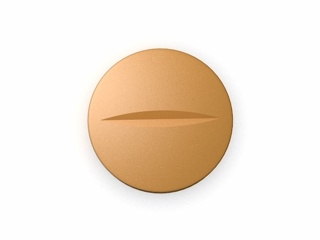
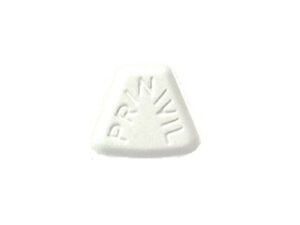
Frumil (Amiloride): Patient Information for Australia
Basic Product Information
| International Nonproprietary Name (INN) | Amiloride |
|---|---|
| Australia Brand Names | Frumil® (often in combination with Furosemide), Moduretic® (with hydrochlorothiazide), Amizide, and generics |
| ATC Code | C03DB01 |
| Available Forms & Strengths | Tablets (5 mg amiloride alone; 5 mg amiloride + 40 mg furosemide; 5 mg amiloride + 50 mg hydrochlorothiazide) |
| Manufacturers | Mylan Health, Sandoz Pty Ltd, Aspen Pharma, Arrow Pharma, Sigma Pharmaceuticals, among others |
| Prescription Status | Prescription Only Medicine (Schedule 4, S4) |
Mechanism of Action
Patient summary: Frumil contains amiloride, a ‘potassium-sparing’ water tablet (diuretic). It helps your kidneys remove excess salt and water from your body, while stopping your body from losing too much potassium, a vital mineral.
Professional detail: Amiloride is a pyrazinoylguanidine derivative that acts primarily at the distal convoluted tubule and collecting duct of the nephron. It blocks epithelial sodium channels (ENaC), thereby reducing sodium reabsorption, increasing natriuresis and diuresis, while decreasing potassium excretion. This makes it useful as an adjunct to loop (e.g., furosemide) or thiazide diuretics, reducing risk of hypokalaemia.
Pharmacokinetics
- Absorption: Rapid but incomplete. Approx. 15–25% bioavailability after oral dose.
- Metabolism: Minimally hepatic; most of the drug is excreted unchanged.
- Elimination: Renal excretion. Half-life is 6–9 hours.
- Duration of action: Onset in 2 hours, peak at 6–10 hours; effects last up to 24 hours.
Use in Everyday Life and Best Practices
Who takes it? Patients with hypertension (high blood pressure), heart failure, swelling due to fluid retention (oedema), and certain kidney conditions.
How is it used? Frumil is usually taken as a tablet, once daily, preferably in the morning. It is often prescribed together with other medications (especially ‘water tablets’ like furosemide or hydrochlorothiazide).
- Regularity: Take your dose at the same time each day for the best effect.
- Missed dose: If you forget, take it as soon as you remember, unless it’s almost time for your next dose.
- Storage: Keep in a cool, dry place below 25°C, out of reach of children.
Dosing: Morning vs Evening
- Morning dosing: Preferred in Australia because diuretics increase urine output. Taking in the morning helps reduce the need to urinate at night, supporting uninterrupted sleep.
- Evening dosing: Usually discouraged as it may lead to nocturia (night-time urination), which can disrupt sleep and daily routines.
- Tip: Set a reminder to take your dose with breakfast or your first meal to establish a routine.
Taking with Food or on an Empty Stomach
Amiloride can be taken with or without food. However, the GI side effects (such as nausea) are rarer when it’s taken with food. For most Australians, taking the medicine with breakfast or a light snack is recommended.
Dietary note for Australians: If you’re on a salt-restricted diet, as often recommended with heart or kidney conditions, be mindful of your sodium intake; avoid licorice, salt substitutes containing potassium, and processed foods high in salt.
Interaction Warnings
| Substance | Interaction Type | What You Should Know |
|---|---|---|
| Potassium supplements, salt substitutes | Serious; avoid | Increases risk of high blood potassium (hyperkalaemia), which can be dangerous |
| ACE inhibitors/ARBs (e.g., ramipril, losartan) | Potentially serious | Raises risk of hyperkalaemia; doctor may monitor blood tests closely |
| NSAIDs (e.g., ibuprofen) | Caution | May reduce kidney function and diuretic effect; use alternative pain relief if possible |
| Alcohol | Caution | May increase dizziness or risk of dehydration, especially at start of treatment |
| Other blood pressure medicines | Monitor | Can increase the blood pressure-lowering effect; monitor for low blood pressure (hypotension) |
| Lithium | Serious | Increases lithium levels, risk of toxicity; avoid or monitor closely |
Indications
| Indication | Status | Notes |
|---|---|---|
| Oedema due to heart failure or liver cirrhosis | Approved | Usually in combination with other diuretics |
| Hypertension | Approved | Often as adjunct |
| Prevention of hypokalaemia in patients treated with thiazide/loop diuretics | Approved | Reduces potassium loss |
| Off-label: Nephrogenic diabetes insipidus | Occasional (off-label) | Consult specialist |
Dosing According to Clinical Indications
| Indication | Adults | Children | Elderly |
|---|---|---|---|
| Oedema (Heart Failure, Liver Cirrhosis) | 5–10 mg daily; up to 20 mg max. Usually with another diuretic | Not routinely recommended; consult specialist. Start with lowest possible dose. | Start at lower end (5 mg/day); monitor closely due to sensitivity to side effects |
| Hypertension | Usually 5–10 mg daily (as add-on) | Not recommended | As for adults, starting at lowest dose |
| Prevention of hypokalaemia | 5–10 mg daily (with thiazide or loop diuretic) | N/A | As above |
Safety Profile and Side Effects
- Common: Increased urination, mild nausea, headache, dry mouth, mild dizziness, mild rash
- Uncommon: Muscle cramps, diarrhoea, fatigue, hypotension (low blood pressure)
- Serious/Rare: High blood potassium (hyperkalaemia; signs: muscle weakness, irregular heartbeat), kidney problems, swelling of face/tongue (allergic reaction)
- Warning: Blood potassium and kidney function must be checked periodically during treatment, especially at start or when combined with other medicines affecting potassium levels.
Guidelines for Proper Use (Australian Context)
- Take Frumil exactly as prescribed; do not change your dose without your doctor’s advice.
- Arrange regular blood tests through your GP or specialist to monitor potassium and kidney function.
- Stay hydrated, especially during hot Australian summers; avoid dehydration.
- If you feel dizzy, move slowly from sitting to standing.
- Avoid potassium-rich foods in excess (bananas, tomatoes, spinach) unless instructed otherwise.
- Do not use salt substitutes containing potassium unless cleared by your doctor.
- Report any signs of allergic reaction (rash, swelling, difficulty breathing) or muscle weakness immediately.
- Let your health professionals (GP, pharmacist, dentist) know you are taking Frumil before new medicines or treatments.
Alternative Treatment Options
- Other potassium-sparing diuretics: Spironolactone, eplerenone (often used in heart failure or resistant hypertension).
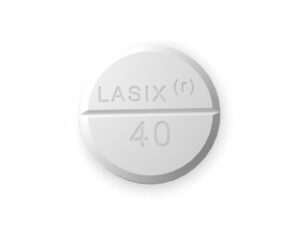
- Loop diuretics: Furosemide (Lasix), bumetanide, used for stronger diuresis but often cause potassium loss unless combined with amiloride.
- Thiazide diuretics: Hydrochlorothiazide, indapamide, often used in hypertension, may cause potassium loss.
- Comparative overview: Amiloride is less likely to cause hormonal side effects (e.g., breast tenderness, menstrual changes) compared to spironolactone. Furosemide and thiazides are more potent, but can cause low potassium unless combined with amiloride.
- Subsidy: PBS (Pharmaceutical Benefits Scheme) subsidises most of these agents for eligible indications.
Legal, Registration, and Reimbursement Status in Australia
- Regulatory Authority: Registered with the Therapeutic Goods Administration (TGA).
- Legal status: Schedule 4 (Prescription Only Medicine).
- Reimbursement: Subsidised under the PBS for chronic heart failure, hypertension, and oedema.
- Dispensing: Available from registered Australian community pharmacies upon presentation of a valid prescription.
- Import restrictions: Online imports of S4 medicines restricted to personal importation with prescription only.
Latest Research and Clinical Guidance (2022–2025)
Recent Australian and international guidelines continue to support the use of amiloride/Frumil in combination with other diuretics to prevent hypokalaemia, particularly in heart failure or oedematous states.
Highlighted literature:
- National Heart Foundation of Australia (2023) recommends potassium-sparing diuretics as adjunctive therapy in chronic heart failure for potassium management.
- Australian Prescriber (2024) – review indicates amiloride remains an effective, well-tolerated option for oedema and hypertension, though not a first-line monotherapy.
- ESC guidelines (2023) – recommend monitoring serum potassium in all patients taking potassium-sparing or combination diuretics.
Availability and Delivery
| Pack Sizes (2024) | Approximate PBS Price (Concession General) | Delivery Timeframes (Sydney, Melbourne, Brisbane, Perth) |
|---|---|---|
| 30 tablets (5 mg amiloride or combo) | $6.70 / $20.00 | Sydney: same or next day; Melbourne/Brisbane: 1–2 days; Perth: 2–3 days |
| 60 tablets (combo preparations) | $13.40 / $42.00 | Similar to above; delivery time may vary with regional pharmacies |
FAQ – Frequently Asked Patient Questions
- Can I take Frumil long term? Yes, if prescribed by your doctor for conditions like heart failure or hypertension. Regular blood tests and reviews are important to ensure it remains safe and effective.
- Do I need to avoid certain foods while taking Frumil? Yes, limit foods very high in potassium (bananas, spinach, tomatoes) and avoid salt substitutes with potassium unless advised by your healthcare team.
- What should I do if I miss a dose? Take it as soon as you remember (unless close to the next dose). Do not double up to make up for a missed dose.
- Can I drink alcohol while taking Frumil? It’s generally best to limit alcohol, as it can increase light-headedness and the risk of dehydration, especially early in treatment.
- Will Frumil affect my ability to drive or use machines? Some people may feel dizzy when starting Frumil or if their blood pressure drops. Take care until you know how it affects you.
Always follow the advice of your healthcare professional and contact your doctor or pharmacist if you have any questions about Frumil (Amiloride).