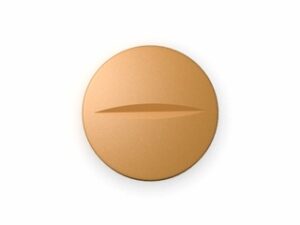
Amiloride – Patient-Friendly Medicine Information
Basic Product Information
| International Non-proprietary Name (INN) | Amiloride |
|---|---|
| Australia Brand Names | Midamor®, Moduretic® (in combination with hydrochlorothiazide), Amiluride Sandoz® |
| Anatomical Therapeutic Chemical (ATC) Code | C03DB01 |
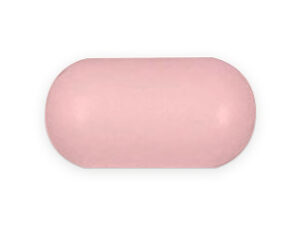
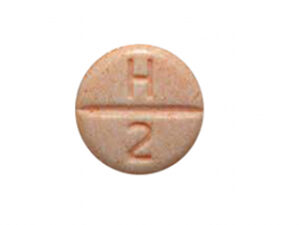
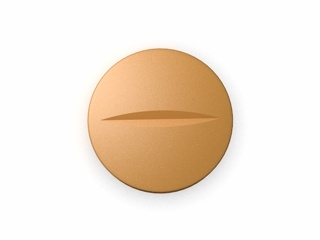
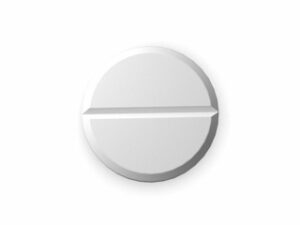
| Available Forms and Strengths | Tablets: 5 mg (common). Combination tablets (e.g., with hydrochlorothiazide) |
| Manufacturers | Bristol-Myers Squibb, Sandoz, Mylan, Apotex |
| Prescription Status | Prescription-only medicine (Schedule 4; S4) in Australia |
Mechanism of Action
Simple terms: Amiloride is a type of “potassium-sparing” diuretic. Diuretics help remove excess fluid and salt from your body through urine. Unlike some other “water tablets”, Amiloride helps your body get rid of water without causing too much loss of potassium—a mineral important for your heart and muscles.
For specialists: Amiloride acts by inhibiting the epithelial sodium channel (ENaC) in the distal convoluted tubule and collecting ducts of the nephron. This inhibition blocks sodium reabsorption and reduces potassium and hydrogen excretion, resulting in natriuresis with minimal hypokalaemia.
Pharmacokinetics
- Absorption: Amiloride is well absorbed (about 50–85%) when taken by mouth. Peak plasma levels are usually reached within 3–4 hours.
- Metabolism: Minimally metabolised in the liver; most remains unchanged.
- Elimination: Eliminated mainly by the kidneys in urine. Around 50% is excreted within 24 hours.
- Duration of action: Action starts within 2 hours, with effects lasting up to 24 hours after a single oral dose.
Use in Everyday Life and Best Practices
Amiloride is commonly used in Australia to treat conditions where fluid retention and high blood pressure are present, especially in patients who are at risk of developing low potassium levels. Amiloride may be prescribed alone or more often in combination with thiazide diuretics to counteract potassium loss.
Typical Doses and How to Use
- Usual adult dose for fluid retention (oedema): 5–10 mg daily, adjusted by your doctor up to 20 mg if needed, depending on response.
- High blood pressure (hypertension): 5–10 mg daily, sometimes combined with other medications.
- Combination therapy (e.g., with hydrochlorothiazide): as per combination tablet instructions, often 1–2 tablets daily.
Take Amiloride at the same time each day for best results, ideally in the morning. Swallow the tablet whole with a glass of water. If you miss a dose, take it as soon as you remember, but do not double up doses.
Follow your doctor’s instructions carefully, and do not stop or change your dose without consulting your healthcare provider.
Dosing in the Morning vs. Evening
- Morning dosing:
- Preferred, as diuretics can increase urination.
- Reduces the chance of having to wake at night to urinate (nocturia).
- Evening dosing:
- Sometimes recommended if morning doses cause issues with routine or shift work.
- May lead to disrupted sleep due to increased need to urinate.
- Tip: Choose a regular time each day. Speak to your pharmacist if you need help fitting Amiloride into your schedule.
Taking with Food or on an Empty Stomach
Amiloride can be taken with food or on an empty stomach—food does not significantly affect absorption or results. If you experience stomach upset, try taking your dose with a meal.
In the Australian context, diets often include foods rich in potassium (bananas, leafy greens); do not increase potassium-rich foods or salt substitutes unless your doctor advises.
Interaction Warnings
Amiloride may interact with certain foods, alcohol, and medications. Discuss all medicines and supplements you are taking with your doctor or pharmacist.
| Interaction Type | Examples | Advice |
|---|---|---|
| Other diuretics | Thiazides (hydrochlorothiazide), loop diuretics (frusemide) | May increase effect or risk of low sodium/potassium |
| ACE inhibitors & ARBs | Perindopril, ramipril, losartan, irbesartan | May increase risk of high blood potassium (hyperkalaemia) |
| Potassium supplements | Slow-K®, Span-K®; potassium-rich salt substitutes | Increase hyperkalaemia risk; use only on doctor’s advice |
| NSAIDs | Ibuprofen, naproxen | Reduce kidney function, increase side effects |
| Alcohol | Beer, wine, spirits | Can lower blood pressure more; take care when standing |
| Lithium | Lithicarb® | Increases lithium toxicity risk |
Indications
| Indication | Status | Details |
|---|---|---|
| Oedema (fluid retention) | Approved | Includes heart failure, liver cirrhosis, or nephrotic syndrome |
| Hypertension (high BP) | Approved (often in combination) | Especially when hypokalaemia risk with other diuretics |
| Hypokalaemia prevention | Approved | To counteract potassium loss from thiazide/loop diuretics |
| Li Gitelman/Bartter syndrome | Off-label | As judged by your specialist |
| Liddle syndrome | Off-label | Rare, genetic sodium channel disorder |
Dosing According to Clinical Indications
| Condition | Age Group | Usual Starting Dose | Maintenance/Max Dose |
|---|---|---|---|
| Oedema | Adults & Elderly | 5 mg daily | Max 20 mg daily as 1–2 divided doses |
| Hypertension | Adults & Elderly | 5–10 mg daily | Max 20 mg daily (often lower with combination therapy) |
| Oedema/Hypertension | Children | Not routinely used; specialist only | Dependent on body weight and indication |
| Hypokalaemia prevention | Adults | 5–10 mg daily with thiazide/loop diuretic | Max 20 mg daily |
| Liddle syndrome | Paediatric/Adult | As determined individually by specialist | Specialist titration |
Safety Profile / Side Effects
Like all medicines, Amiloride can cause side effects, but not everyone gets them. Seek medical advice if you are concerned about your medicine or side effects.
| Frequency | Potential Side Effects | Advice |
|---|---|---|
| Common | Nausea, diarrhoea, headache, dry mouth, mild skin rash, dizziness, increased urination | Usually mild and temporary |
| Occasional | Muscle cramps or weakness, taste changes, stomach pain | Discuss with your doctor if persistent |
| Rare (but serious) | High potassium (weakness, tingling, irregular heartbeat), severe allergic reactions, kidney impairment | Seek immediate medical help |
| Warnings | Not for patients with high potassium, severe kidney/liver problems, or Addison's disease | Check with your doctor before starting |
Regular blood tests (including potassium and kidney function) are recommended.
Guidelines for Proper Use
- Take Amiloride exactly as your doctor prescribes. Do not stop suddenly.
- Do not use potassium supplements or salt substitutes unless OK’d by doctor.
- Tell all healthcare providers you take Amiloride—especially before an operation or if starting new medicines.
- If you experience signs of high potassium (weakness, palpitations, confusion) or allergy (skin swelling, severe rash) seek urgent help.
- Pregnancy and breastfeeding: Use Amiloride during pregnancy and breastfeeding only if your doctor decides the benefits outweigh the risks.
- Store at room temperature, away from heat and moisture. Keep out of reach of children.
Alternative Treatment Options
- Thiazide diuretics: e.g. hydrochlorothiazide, indapamide, chlorthalidone. Often cause more potassium loss but highly effective. PBS-reimbursed.
- Loop diuretics: e.g. frusemide (Lasix®), bumetanide. More powerful, risk of low potassium; PBS-reimbursed.
- Spironolactone: Another potassium-sparing diuretic. Useful for heart failure; some hormonal side effects; PBS-reimbursed.
- Eplerenone: Similar to spironolactone but with fewer hormonal effects. PBS-reimbursed for heart failure.
- Dietary/lifestyle measures: Lower salt intake, healthy exercise, weight management.
All options have pros and cons; your healthcare provider will tailor therapy based on your health needs.
Legal, Registration, and Reimbursement Status in Australia
- Legal status: Amiloride is a Schedule 4 (prescription-only) medicine under the Therapeutic Goods Administration (TGA) in Australia. A valid prescription is required.
- Registration: Registered with the TGA; ARTG numbers available for all major brands.
- Reimbursement: Amiloride (and combinations, e.g., Moduretic®) are generally subsidised on the Pharmaceutical Benefits Scheme (PBS) for relevant conditions.
- Pharmacy dispensation: Dispensed by registered pharmacists upon valid prescription.
Latest Research and Clinical Guidance (2022–2025)
- Recent reviews (see: Australian Prescriber, 2023; MIMS 2024 Update) reaffirm Amiloride’s role for oedema and hypertension, especially to prevent hypokalaemia with thiazides.
- The 2023 Australian Heart Foundation hypertension guidelines continue to endorse potassium-sparing diuretics (like Amiloride) in selected patients.
- International studies (BMJ, 2023; European Journal of Heart Failure, 2023) indicate ongoing safety in long-term use when monitored, with rare instances of severe hyperkalaemia, primarily in patients with renal or metabolic risk factors.
- No significant label changes in the past 2 years for adult use; paediatric use remains reserved to specialist care for rare syndromes.
Availability and Delivery Options
| Form / Pack Size | Brand | Indicative PBS Price* | Delivery to Capital Cities |
|---|---|---|---|
| 5 mg, 30 tablets | Amiloride Sandoz® | $18.90 ($6.70 concessional) |
|
| 5 mg/50 mg (Amiloride/HCTZ), 30 tablets | Moduretic® | $16.10 ($6.70 concessional) | As above |
Frequently Asked Questions (FAQ)
- Can I take Amiloride if I have kidney problems?
Amiloride is not recommended if you have severe kidney impairment or are unable to pass urine. Always tell your doctor about your kidney health before starting this medicine. - Will I need regular blood tests?
Yes, your doctor will ask for blood tests to check potassium and kidney function, especially when starting or changing your dose. - Can I drink alcohol while on Amiloride?
Alcohol may make you feel dizzy or increase blood pressure lowering effects. Drink in moderation and be cautious when standing up abruptly. - Are there any foods I should avoid?
Avoid potassium-rich salt substitutes and do not increase intake of foods extremely high in potassium (such as large servings of bananas, oranges, and leafy greens) unless your doctor advises otherwise. - What if I miss a dose?
Take it as soon as you remember at your regular time. If it is close to your next dose, skip the missed dose. Do not double up to catch up.