Neoral (Cyclosporine): Comprehensive Patient Information (Australia)
Basic Product Information
| International Nonproprietary Name (INN) | Cyclosporine |
|---|---|
| Australian Brand Names | Neoral®, Sandimmun® |
| ATC Code | L04AD01 |
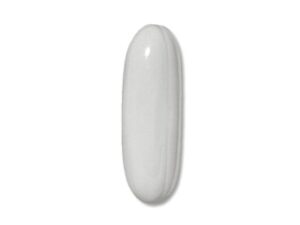
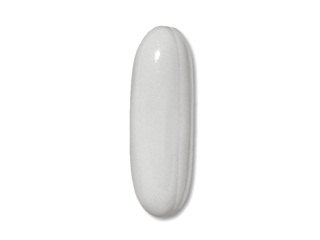
| Available Forms and Strengths | Neoral Soft Gelatin Capsules: 25 mg, 50 mg, 100 mg; Neoral Oral Solution: 100 mg/mL |
| Manufacturers | Novartis Pharmaceuticals Australia Pty Ltd |
| Prescription Status | Prescription Only (Schedule 4) |
Mechanism of Action
For Patients: Neoral contains cyclosporine, an immunosuppressant medicine. It works by reducing the activity of your body’s immune system, which is helpful after organ transplantation and in certain autoimmune conditions, to prevent your immune cells from attacking your body or a transplanted organ.
For Specialists: Cyclosporine is a calcineurin inhibitor. It binds cyclophilin in T-lymphocytes, inhibiting calcineurin and preventing the transcription of interleukin-2 and other cytokines, thus suppressing cell-mediated immune responses central to transplant rejection and some autoimmune diseases.
Pharmacokinetics
- Absorption: Neoral formulation provides improved and more consistent absorption compared to older cyclosporine preparations. Peak blood concentrations appear 1–2 hours after dosing.
- Metabolism: Extensively metabolised by the liver (CYP3A4 enzyme system).
- Elimination: Mainly excreted in bile; minimal renal excretion of unchanged drug.
- Duration of Action: Immunosuppressive effects last as long as therapeutic drug levels are maintained (dosing usually twice daily).
- Half-life: Approximately 8.4 hours in adults but variable; may be prolonged in hepatic impairment.
Use in Everyday Life and Best Practices
- Always take Neoral exactly as your doctor has prescribed.
- Neoral is usually taken twice daily, about 12 hours apart (e.g., morning and evening).
- Capsules should be swallowed whole with a full glass of water; do not open or chew.
- Oral solution can be mixed with water or orange/apple juice (not grapefruit juice).
- Your dose may change according to blood test results and clinical response.
- Do not stop taking Neoral without discussing it with your prescriber, even if you feel well.
- Regular blood monitoring is required to check cyclosporine levels, kidney function, and electrolytes.
- Always keep medicine in its original packaging, away from light and moisture.
Dosing in the Morning vs Evening
- Why time matters: Taking Neoral at the same times each day helps maintain stable drug levels and maximises efficacy while reducing side effects.
- Morning dosing: Minimises disruption to sleep, fits typical routines, and suits blood test schedules.
- Evening dosing: Provides regular 12-hour intervals but remember to avoid late, irregular meals as this may affect drug absorption.
- Tip: Set reminders or link doses to daily activities (e.g., breakfast/dinner) for consistency.
- Important: Always aim for equal intervals (about 12 hours) between doses.
Taking with Food or on an Empty Stomach
- Neoral can be taken with or without food, but it is important to take it consistently the same way each day, as food can affect absorption.
- Avoid high-fat, large, or heavy meals around dosing where possible, as they may slow absorption.
- Australian dietary advice: Take Neoral with a light meal or after a typical English breakfast. Avoid juices containing grapefruit, as they interfere with drug metabolism.
- Maintain a steady diet and avoid sudden changes in your food pattern; discuss any dietary supplements or herbal remedies with your pharmacist or doctor.
Interaction Warnings
| Interaction Type | Details/Examples | Advice |
|---|---|---|
| Food | Grapefruit/grapefruit juice, Seville oranges | Avoid completely |
| Alcohol | May worsen liver and kidney side effects | Limit or avoid |
| Medications: Increased Cyclosporine Levels | Macrolide antibiotics (erythromycin/clarithromycin), azole antifungals (ketoconazole), calcium channel blockers (diltiazem, verapamil), protease inhibitors | Inform your doctor; dose adjustments may be needed |
| Medications: Decreased Cyclosporine Levels | Phenytoin, carbamazepine, rifampicin, St John’s wort | Avoid St John’s wort; inform your doctor/pharmacist of all medicines |
| Other Risks | Other immunosuppressants, non-steroidal anti-inflammatory drugs (NSAIDs), potassium-sparing diuretics | Monitor kidney function closely |
Indications
| Indication | Official (TGA Approved) | Off-Label/Other |
|---|---|---|
| Prevention of organ transplant rejection | Yes | |
| Treatment of graft versus host disease (GVHD) after bone marrow transplantation | Yes | |
| Severe, treatment-resistant psoriasis | Yes | |
| Severe, treatment-resistant atopic dermatitis/eczema | Yes | |
| Nephrotic syndrome | Yes | |
| Other autoimmune diseases (e.g., rheumatoid arthritis, uveitis, myasthenia gravis, Behçet’s disease) | Yes – Specialist only, case-by-case basis |
Dosing According to Clinical Indication
| Indication | Adult Dose (Typical Range) | Paediatric Dose | Elderly Dose |
|---|---|---|---|
| Organ Transplant (renal, liver, heart) | Initial: 5–10 mg/kg/day in 2 divided doses. Maintenance: 2–6 mg/kg/day | Same as adults (mg/kg basis; monitor closely) | Start at lower end of dosing range; extra monitoring required |
| Psoriasis/ Atopic Dermatitis | 2.5–5 mg/kg/day in 2 divided doses. Adjust based on response. | Use only under specialist supervision | Cautious titration, close monitoring |
| Nephrotic Syndrome | 5 mg/kg/day (unless renal impairment, then 2.5 mg/kg/day) | Same as adults; specialist care only | Lower doses, monitor renal function |
| Bone Marrow Transplant, GVHD | Start 12.5–15 mg/kg/day orally (in divided doses), individualised. | Individualised specialist dosing | Start low, adjust as needed |
Safety Profile and Side Effects
All medicines have potential side effects, but not everyone will experience them. Inform your doctor or pharmacist about any new or worrying symptoms.
| Side Effect | Frequency | Advice/Action |
|---|---|---|
| High blood pressure | Very common | Monitor regularly; inform your doctor if uncontrolled |
| Kidney function changes | Very common | Regular blood tests required |
| Tremors, headache | Common | Report if severe or persistent |
| Gum overgrowth, increased hair growth | Common | Good oral hygiene, dentist reviews recommended |
| Increased risk of infection | Common | Seek prompt medical advice if fever, chills, or signs of infection develop |
| Liver function changes, high cholesterol | Common | Monitoring with blood tests |
| Convulsions, confusion (neurotoxicity) | Rare | Seek urgent medical attention |
| Cancer (lymphoma, skin cancer) | Rare but serious | Protect from sun, attend all screenings |
Guidelines for Proper Use (Australia)
- Regularly attend all blood test appointments to ensure safe treatment.
- Carry a medication card stating you use cyclosporine (for emergencies).
- Store Neoral below 25°C and protect from light. Do not refrigerate or freeze capsules or oral solution.
- Inform your pharmacist or doctor before starting any new medicines or supplements.
- Do not receive live vaccines while taking Neoral (e.g., yellow fever, oral polio); consult your healthcare team regarding any vaccination plans.
- Use high factor (SPF 50+) sunscreen and avoid excessive sun exposure, as cyclosporine increases skin cancer risk.
- Practice good dental care and see an Australian dentist every 6–12 months.
Alternative Treatment Options
- Tacrolimus (Prograf, Advagraf): Another calcineurin inhibitor, commonly used in transplant medicine. Pros: Often better tolerated, similar efficacy. Cons: May cause more diabetes or neurological side effects.
- Azathioprine (Imuran): Immunosuppressant, especially for autoimmune diseases. Pros: Cheaper, well-proven. Cons: Lower efficacy as a single agent for organ transplant.
- Mycophenolate mofetil (CellCept): Frequently used for transplant and autoimmune diseases. Pros: Fewer cosmetic side effects. Cons: Can cause diarrhoea, low white cell count.
- Methotrexate: Used in rheumatoid arthritis, severe psoriasis. Pros: Once-weekly dosing. Cons: Not suitable for transplant rejection.
- Biologics (e.g., adalimumab, infliximab): For severe psoriasis/autoimmune diseases. Pros: Targeted action. Cons: Expensive, increased infection risk.
- All above options available in Australia, typically with State/Territory Health reimbursement for approved indications. Discuss options with your healthcare provider to select the most appropriate plan for your condition and lifestyle.
Legal, Registration, and Reimbursement Status in Australia
- Neoral is registered with the Therapeutic Goods Administration (TGA) for use in Australia.
- It is classified as a Schedule 4 (Prescription Only) medicine and can only be supplied with a valid prescription from an Australian-registered medical practitioner.
- Neoral is subsidised under the Pharmaceutical Benefits Scheme (PBS) for certain approved indications (e.g., organ transplant, severe psoriasis, nephrotic syndrome); check with your prescriber for PBS eligibility criteria specific to your diagnosis.
- Private insurance and state health support may be available for non-PBS listed indications, at specialist discretion.
Latest Research and Clinical Guidance (2022–2025)
- 2023 guidelines from the Australian and New Zealand Society of Nephrology recommend Neoral as a first-line immunosuppressant in transplant and certain renal diseases; close blood level monitoring remains essential (Nephrology, 2023).
- The British Association of Dermatologists (BAD) 2022 guidelines affirm the role of cyclosporine for short-term rescue therapy in severe eczema and psoriasis, but caution regarding long-term cancer risks.
- Recent (Lancet Rheumatology, 2024) studies stress individualised dosing and a multidisciplinary care approach for immunosuppressed patients.
- Visit the Therapeutic Goods Administration or PBS websites for up-to-date regulatory and cost subsidy information.
Availability and Delivery
| Pack Size | Form | Indicative PBS Price (as at 2024) | Availability & Delivery (Sydney, Melbourne, Brisbane, Perth, Adelaide) |
|---|---|---|---|
| 30 capsules | 25 mg, 50 mg, 100 mg | $39.10 (PBS co-pay), Full cost approx. $320–$650 | Same day/next day – Sydney, Melbourne, Brisbane; 1–2 days Perth/Adelaide |
| 50 mL bottle | 100 mg/mL oral solution | $39.10 (PBS co-pay), Full cost approx. $450 | Next day (metro areas), 1–3 days remote/rural |
FAQ – Most Common Patient Questions
- 1. Can I drink alcohol while using Neoral?
- Small, occasional amounts may be tolerated, but alcohol puts extra strain on the liver and kidneys, so it is safest to limit or avoid it. Discuss alcohol use with your doctor.
- 2. What should I do if I miss a dose?
- If it is within a few hours of your usual time, take your dose as soon as you remember. If it is close to your next dose, skip it—never double up. Record the missed dose and inform your healthcare team if missed frequently.
- 3. Can I have vaccinations while on Neoral?
- You must avoid live vaccines while taking Neoral. Most inactive/inactivated vaccines are allowed. Check with your doctor, pharmacist, or an Australian travel clinic before any vaccination.
- 4. Do I need to avoid any foods?
- Avoid grapefruit and Seville orange products. Otherwise, eat a balanced, “English” style diet and stay hydrated. Check with your pharmacist before introducing new supplements or herbal remedies.
- 5. Will I need regular blood tests on Neoral?
- Yes, regular blood tests are essential for monitoring drug levels, kidney and liver function, and electrolytes. This helps ensure effective and safe treatment.
Still have questions? Speak with your doctor, pharmacist, or contact your local Australian healthcare service for personalised advice.