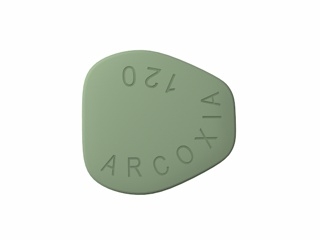
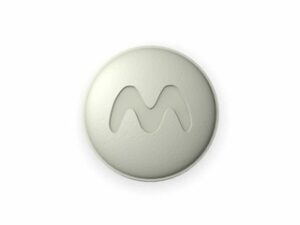

Arcoxia (Etoricoxib) – Patient Information for Australia
Basic Product Information
| Active Ingredient (INN): | Etoricoxib |
| Australia Brand Names: | Arcoxia® |
| ATC Code: | M01AH05 |
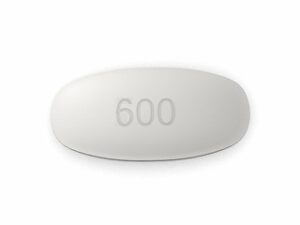
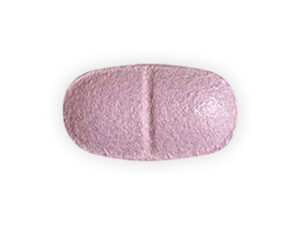
| Available Forms & Strengths: | Oral film-coated tablets: 30 mg, 60 mg, 90 mg, 120 mg |
| Manufacturer: | Merck Sharp & Dohme (Australia) Pty Ltd |
| Prescription Status (Australia): | Prescription Only Medicine (Schedule 4, S4) |
Mechanism of Action
Simple terms: Arcoxia (etoricoxib) belongs to a class of medicines called 'selective COX-2 inhibitors' – a type of non-steroidal anti-inflammatory drug (NSAID). It works by reducing the production of certain substances (prostaglandins) in the body that cause pain, swelling, and inflammation.
For specialists: Etoricoxib selectively inhibits the cyclooxygenase-2 (COX-2) enzyme, responsible for the synthesis of prostaglandins involved in inflammation and pain. Its selectivity for COX-2 over COX-1 helps reduce gastrointestinal side effects compared to traditional NSAIDs.
Pharmacokinetics
- Absorption: Rapidly absorbed after oral administration. Peak plasma concentration (Tmax) reached within 1 hour. Absolute bioavailability: ~100%.
- Metabolism: Extensively metabolised in the liver (mainly by CYP3A4 and non-P450 pathways).
- Elimination: Primarily excreted by the liver (biliary route); urinary excretion is minor.
- Duration of Action: Terminal half-life is approximately 22 hours, allowing for once-daily dosing.
Use in Everyday Life & Best Practices in Australia
Arcoxia is designed for short-term and long-term management of pain and inflammation, and may be prescribed for osteoarthritis, rheumatoid arthritis, acute gouty arthritis, ankylosing spondylitis, and short-term pain after dental surgery. Its once-daily dosing makes it convenient for Australians leading busy lives.
- Take Arcoxia exactly as your doctor prescribes.
- Swallow tablets whole, with water, at about the same time each day.
- Do not exceed the recommended dose or extend treatment without medical advice.
- Regular medical follow-up is important if using Arcoxia for extended periods.
Dosing: Morning vs Evening
- Morning dosing: May help manage pain throughout the day and has better adherence, as it fits most daily routines.
- Evening dosing: Suitable if pain is worse at night, but consider the risk of missing doses.
- Tip: Take at the same time each day for best results.
Taking Arcoxia With or Without Food
- With food: Does not significantly alter efficacy but may delay absorption slightly. Taking with food may reduce the risk of stomach upset.
- On an empty stomach: Faster onset of action, but some people may experience mild stomach discomfort.
- Australia context: It can be taken with water before or after typical meals, such as breakfast or dinner.
Interaction Warnings (Food, Alcohol, Other Medicines)
| Type | Interaction | Advice |
|---|---|---|
| Alcohol | May increase gastrointestinal risk when combined with Arcoxia. | Limit alcohol intake. Discuss with your doctor if you drink regularly. |
| Other NSAIDs (ibuprofen, aspirin) | Increased risk of side effects; no added benefit. | Avoid taking with other NSAIDs unless specifically directed. |
| Anticoagulants (warfarin, apixaban) | May enhance bleeding risk; interferes with INR control. | Doctor will monitor closely or recommend an alternative. |
| ACE inhibitors/ARBs (blood pressure medicines) | May reduce effectiveness of blood pressure control and worsen kidney function. | Regular monitoring of kidney function is recommended. |
| Diuretics | May increase risk of kidney issues when used together. | Stay well hydrated, regular check-ups are advised. |
| Food | Slows absorption but does not reduce effectiveness. | Can be taken with or without food. |
Indications (Approved & Off-Label)
| Indication | Status (Australia) | Comments |
|---|---|---|
| Osteoarthritis | Approved | First-line for patients at risk of GI side effects from other NSAIDs. |
| Rheumatoid arthritis | Approved | Used for symptom management. |
| Ankylosing spondylitis | Approved | Used for pain and stiffness control. |
| Acute gouty arthritis | Approved | Short-term use preferred. |
| Acute pain (dental surgery) | Approved | Short-term (up to 8 days). |
| Chronic low back pain | Off-label | May be used at physician’s discretion. |
Dosing by Clinical Indication
| Indication | Adults | Elderly (65+) | Children |
|---|---|---|---|
| Osteoarthritis | 30–60 mg once daily | Same as adults (lower dose if frail) | Not recommended |
| Rheumatoid arthritis | 90 mg once daily | Same as adults | Not recommended |
| Ankylosing spondylitis | 90 mg once daily | Same as adults | Not recommended |
| Acute gout | 120 mg once daily (max 8 days) | Same as adults | Not recommended |
| Acute dental pain | 90 mg once daily (max 3 days) | Same as adults | Not recommended |
Safety Profile & Side Effects
| Frequency | Side effect | Advice |
|---|---|---|
| Common | Headache, dizziness, high blood pressure, swelling (oedema), heartburn, indigestion | Usually mild; consult doctor if persistent |
| Less common | Serious stomach ulcers, bleeding, elevated liver enzymes | Regular check-ups required |
| Rare | Allergic reactions (rash, itching, swelling), heart attack, stroke, severe liver problems | Seek immediate medical attention if symptoms occur |
- Warnings: Not suitable for people with active stomach ulcers, severe liver or kidney problems, heart failure, or after heart surgery.
- Pregnancy & breastfeeding: Not recommended. Discuss with your doctor if you are pregnant, planning pregnancy, or breastfeeding.
Guidelines for Proper Use (Pharmacist/Clinic Advice)
- Check with your GP or pharmacist before starting any new medicine while taking Arcoxia.
- Store tablets in original packaging, away from heat and moisture, out of reach of children.
- Monitor blood pressure regularly, especially if you have pre-existing hypertension.
- Report any unusual symptoms, such as chest pain, shortness of breath, or swelling, immediately.
- For long-term therapy, schedule periodic blood and kidney tests as advised by your doctor.
- If you forget a dose, take it as soon as possible. Skip it if it’s almost time for your next dose – do not double dose.
- If you have history of heart disease, discuss alternative pain options with your doctor.
Alternative Treatment Options (Australia)
- Naproxen: Traditional NSAID, often reimbursed, similar efficacy but higher GI risks.
- Ibuprofen: Widely available, less selective, shorter-acting; good for mild/moderate pain.
- Diclofenac: Potent, but carries higher cardiovascular risk than some other NSAIDs.
- Paracetamol: First-line for mild pain or knee/hand osteoarthritis; safe for most, but less effective for severe pain.
- Other COX-2 inhibitors (celecoxib): Similar mechanism; may have different safety/tolerability profile.
Pros vs Cons: Arcoxia is generally preferred for patients at higher risk for stomach problems but may be avoided in those with a history of cardiovascular disease. Discuss all options and their risks/benefits with your healthcare provider.
Legal, Registration, and Reimbursement Status in Australia
- Registered by the Therapeutic Goods Administration (TGA).
- Prescription medicine under the Therapeutic Goods Act 1989.
- Listed on the Pharmaceutical Benefits Scheme (PBS) for specific indications – check eligibility with your GP.
- Not available over-the-counter; requires current Australian prescription from your doctor.
- Check with your pharmacy or PBS for current status and patient co-payment.
Latest Research & Clinical Guidance (2022–2025)
- 2023 RACGP guidelines: Recommend cautious use of COX-2 inhibitors in older adults, those with cardiovascular risks, and long-term users; emphasis on lowest effective dose for shortest possible duration.
- 2024 BMJ systematic review: Finds etoricoxib to be effective for osteoarthritis and acute gout, with a similar side effect profile to other selective NSAIDs, but advises careful monitoring for blood pressure and kidney function, especially in the elderly.
- Pharmacovigilance: Ongoing monitoring highlights rare but serious cardiovascular risks; always discuss your personal risk with your prescriber (TGA, 2024).
- Local practice: Combination with gastroprotective agents (eg, proton pump inhibitors) is suggested in high-risk patients.
Availability & Delivery (Australia)
| Pack Size | Strength(s) | Indicative PBS Price* | Standard Delivery Time | Faster Delivery |
|---|---|---|---|---|
| 28 tablets | 30/60/90/120 mg | $40–$60 | 1–2 business days (Sydney, Melbourne, Brisbane) | Same day/next day (capital cities, subject to pharmacy) |
| 7 tablets (acute pain use) | 90/120 mg | $10–$15 | 2–4 business days (regional NSW/VIC/QLD) | Overnight (where available) |
*Prices as of 2024, based on PBS listings and standard retail mark-ups. Concessional rates may apply. Check with your local pharmacy for specific prices and availability.
Frequently Asked Questions (FAQ)
- Is Arcoxia suitable for everyone with arthritis?
Not always. Arcoxia may not be appropriate if you have a history of heart problems, stomach ulcers, or severe liver/kidney disease. Your doctor will assess if it’s right for you. - Can I drive or operate machinery while taking Arcoxia?
Most people can, but if you feel dizzy or tired after taking Arcoxia, wait until you feel fit to drive or use machinery. - What should I do if I miss a dose?
Take it as soon as you remember, or skip if it's nearly time for the next dose. Do not take a double dose. - Can I take Arcoxia with paracetamol?
Yes, it is generally safe to combine with paracetamol for extra pain relief, but always check with your doctor or pharmacist. - Are regular blood tests necessary during treatment?
If you are taking Arcoxia long-term or have other health conditions, your doctor may recommend periodic kidney, liver, and blood pressure checks.