
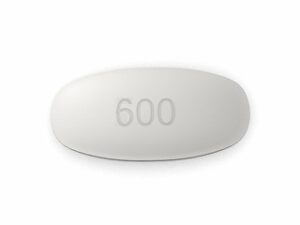
Zyloprim (Allopurinol): Comprehensive Patient Guide for Australia
Basic Product Information
| International Non-proprietary Name (INN) | Allopurinol |
|---|---|
| Common Australia Brand Names | Zyloprim, Allosig, Progout, Allopurinol-AFT |
| Anatomical Therapeutic Chemical (ATC) Code | M04AA01 |
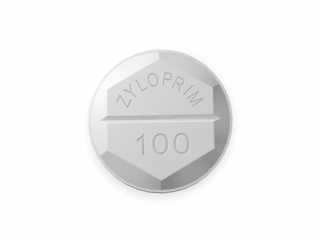
| Available Forms & Strengths | Tablets: 100 mg, 300 mg |
| Manufacturers (Australia) | GlaxoSmithKline Australia, Sandoz, Alphapharm |
| Prescription Status | Schedule 4 (Prescription only) |
Mechanism of Action
For patients: Zyloprim contains allopurinol, a medicine used to lower high levels of uric acid in your blood, which can cause gout and certain types of kidney stones. It works by reducing the amount of uric acid your body makes.
For healthcare professionals: Allopurinol is a xanthine oxidase inhibitor. By blocking xanthine oxidase, it reduces the conversion of hypoxanthine and xanthine to uric acid, thus lowering serum and urinary uric acid concentrations.
Pharmacokinetics
- Absorption: Rapid and well-absorbed orally (~80-90%). Peak blood levels reached in 1.5 hours (allopurinol), 3-5 hours (oxypurinol, its active metabolite).
- Metabolism: Mainly converted in the liver and tissues to oxypurinol, which also has uric acid-lowering action and a longer half-life.
- Elimination: Mainly through the kidneys, both as allopurinol and oxypurinol.
- Duration of Action: Oxypurinol persists in the body; uric acid levels remain suppressed for 24–48 hours after a dose.
Use in Everyday Life and Best Practices
- Indication in Australia: Chronic gout, uric acid nephrolithiasis, hyperuricaemia (e.g., due to chemotherapy), certain kidney stones.
- How to Use: Take tablet(s) at the same time each day, with or after food. Drink plenty of water, especially in Australia's warmer climate.
- Typical Adult Dose: Usually 100–300 mg daily; dose adjusted based on uric acid levels and kidney function.
- Who Should Take Zyloprim: Adults and children (for some rare inherited conditions) needing to lower uric acid; your doctor will prescribe only if suitable.
Dosing: Morning vs Evening
- Best Practice: Once daily dosing (morning or evening) is typical; some people may need divided doses if the dose is high or gastrointestinal upset occurs.
- Advantages of Morning: Easier to remember with breakfast, aligns with daily routines.
- Advantages of Evening: May help those who have more time at night or take several evening medications.
- Key Tip: Most important is to take it at the same time each day for consistency.
Taking with Food or on an Empty Stomach
- With Food: Taking Zyloprim with food can reduce the chance of stomach upset. A typical English/Australian diet (e.g., cereal with milk, sandwich, toast) is suitable.
- On an Empty Stomach: Zyloprim may be taken on an empty stomach if well-tolerated, but always follow your doctor's advice.
- Hydration: Always drink a full glass of water with your dose and stay well-hydrated, especially in summer.
Interactions: Food, Alcohol, Medications
| Substance | Interaction | Advice |
|---|---|---|
| Alcohol | Can increase uric acid levels and reduce the effect of Zyloprim | Limit or avoid regular excessive drinking, especially beer and spirits |
| High-purine foods (e.g. offal, game, anchovies) | Can increase uric acid and risk of gout attacks | Eat in moderation; favour lean meats, fruit, vegetables, dairy |
| Azathioprine, mercaptopurine | Can increase risk of toxicity when taken with allopurinol | Dose of these medications may need to be lowered; tell your doctor |
| Warfarin | Can increase blood-thinning effect | INR monitoring needed; tell your doctor |
| Amoxicillin, ampicillin | Higher risk of rash | Report any rashes or skin reactions promptly |
| Diuretics (water tablets) | Can increase risk of side effects like rash | Extra monitoring may be needed |
| Vitamin supplements (B12, C) | No significant interaction at normal doses | Check with your pharmacist if unsure |
Indications: Official & Off-label Uses
| Indication | Status | Notes |
|---|---|---|
| Gout, recurrent gouty arthritis | Official (TGA approved) | First-line for long-term uric acid lowering |
| Renal calculi (kidney stones) – uric acid type | Official | Helps prevent stones by lowering uric acid |
| Urate nephropathy (acute kidney problems due to uric acid) | Official | Used in tumour lysis syndrome during cancer treatment |
| Hyperuricaemia due to cancer therapy | Official | Especially in chemotherapy for leukaemia, lymphoma |
| Rare inherited enzyme disorders (Lesch-Nyhan syndrome, etc.) | Official | Mainly for children with these rare conditions |
| Off-label uses (not on TGA label) | Off-label | Sometimes for certain other rare conditions; specialist decision |
Dosing According to Clinical Indications
| Population | Usual Starting Dose | Adjustment/Max Dose | Notes |
|---|---|---|---|
| Adults - Gout | 100 mg daily | Max 300 mg/day (rarely up to 900 mg, specialists only) | Increase every 1–2 weeks if needed, monitor uric acid |
| Adults - Kidney stones | 100 mg daily | Usually 200–300 mg/day | As per uric acid measurements |
| Paediatric | 10 mg/kg daily (max 400 mg/day) | As per condition | Usually for rare inherited disorders only |
| Elderly | Start at 100 mg daily | Adjust more cautiously | Monitor kidney function |
| Renal impairment | Start low (e.g., 50–100 mg/day) | Do not exceed dose appropriate for kidney function | Frequent monitoring due to oxypurinol build-up |
Never start, stop, or change your dose without medical advice.
Safety Profile / Side Effects
| Side Effect | Frequency | Advice |
|---|---|---|
| Skin rash | Up to 5% | Seek urgent help if severe/blistering. Can be a sign of a rare severe reaction. |
| Nausea, vomiting, diarrhoea | Common | Usually mild, improve if taken with food. |
| Drowsiness, dizziness | Occasional | Take care driving or operating machinery. |
| Allergic (hypersensitivity) reactions | Rare (0.1–0.4%) | Seek urgent help for rash, fever, swollen glands, breathing difficulty. |
| Agranulocytosis, hepatitis | Very rare | Specialist monitoring required; report persistent sore throat, jaundice. |
| Gout "flares" on starting treatment | Common | May occur in first weeks; your doctor may prescribe colchicine or NSAIDs to reduce this. |
- If you develop any unusual skin rash or symptoms such as fever, sore throat, mouth ulcers, or yellowing of the skin, seek medical attention immediately.
- Those of Han Chinese or Thai descent may be at higher risk for a severe allergy called HLA-B*5801-associated hypersensitivity—testing may be offered.
Guidelines for Proper Use (Australia Context)
- Adherence: Take your medication daily, as prescribed. Set a reminder or use a dosette box if helpful.
- Hydration: Stay well-hydrated, especially in hot or dry conditions common in many parts of Australia.
- Alcohol: Reduce or avoid alcohol, particularly frequent beer, which increases uric acid.
- Start Low, Go Slow: Starting too high a dose can trigger gout attacks; your doctor will usually start you low and slowly increase the dose.
- Monitor Uric Acid: Regular blood tests (as per your GP or specialist) are important to adjust dosing and ensure safety.
- Diet: Pursue a balanced, Australian diet rich in fresh vegetables, low in red and processed meats, and maintain a healthy weight.
- Never Self-Adjust: Do not stop or increase your dose without medical advice, even if feeling better.
- Pharmacy Support: If you have difficulty swallowing tablets, check with your pharmacist about options.
Alternative Treatment Options
- Febuxostat (Adenuric):
- Alternative xanthine oxidase inhibitor effective if allopurinol is not tolerated or ineffective
- Generally requires specialist prescription, higher cost, possible PBS (Pharmaceutical Benefits Scheme) funding for some indications
- Slightly higher cardiovascular risk in some trials
- Probenecid:
- Increases uric acid excretion via the kidneys
- Less commonly used, especially in reduced kidney function
- Colchicine:
- Not a uric acid–lowering agent, but used for acute gout attacks and flare prevention while starting allopurinol
- NSAIDs (e.g., indomethacin, naproxen):
- Used in acute gout, not for ongoing uric acid lowering
- Lifestyle measures:
- Weight management, reduced alcohol, increased physical activity
- Essential alongside any medication
Legal, Registration, and Reimbursement Status in Australia
- Zyloprim (allopurinol) is fully registered with the Australian Therapeutic Goods Administration (TGA).
- It is a Schedule 4 (S4) medication—prescription only.
- Allopurinol is widely reimbursed by the Pharmaceutical Benefits Scheme (PBS) for approved indications such as gout, kidney stones, and malignant disease-associated hyperuricaemia.
- Doctors and pharmacies are overseen by AHPRA (Australian Health Practitioner Regulation Agency), and all prescriptions are dispensed per strict national guidelines.
Latest Research and Clinical Guidance (2022–2025)
- Updated RA and Gout Guidelines (RACGP, ACR 2022–2024): Allopurinol remains first-line for chronic gout; gradual dose titration preferred to reduce flares.
- Genetic Testing: 2022–2024 guidance suggests consideration of HLA-B*5801 screening for at-risk groups prior to starting allopurinol due to rare risk of severe reactions.
- Cardiovascular Risk Research: Recent studies (e.g., Ann Rheum Dis 2023, Lancet Rheumatol 2024) have found no excess cardiovascular risk with allopurinol in most patients, but monitoring recommended if other risk factors present.
- Renal Dosing: Adjustments for kidney disease emphasised by Kidney Health Australia guidelines (2022–2024); lowest effective dose should be used.
- Off-label/paediatric uses: Remain rare and specialist-led due to safety monitoring needs.
References: RACGP Red Book; Ann Rheum Dis 2023; Kidney Health Australia Gout Management 2024; PBS listings 2024.
Availability and Delivery
| Pack Size | Typical Price (PBS concessional) | Price (private) | Major Cities Estimated Delivery |
|---|---|---|---|
| 100 mg x 100 tablets | $7.30 | $10–$22 | Sydney: 1–2 days Melbourne: 1–2 days Brisbane: 1–2 days Perth, Adelaide: 2–3 days Regional/rural: 3–5 days |
| 300 mg x 60 tablets | $7.30 | $12–$28 | Sydney: 1–2 days Melbourne: 1–2 days Brisbane: 1–2 days Perth, Adelaide: 2–3 days Regional/rural: 3–5 days |
Most pharmacies in Australia have Zyloprim (allopurinol) in stock or can order for next-day pickup. Delivery to rural or remote communities may take longer, and cold chain is not required.
Frequently Asked Questions (FAQ)
- How long do I need to stay on Zyloprim?
Most people with gout or kidney stones need lifelong uric acid–lowering treatment. Your doctor will advise if and when it may be stopped, but stopping and restarting can trigger gout attacks. - Can I take Zyloprim with my other medicines?
Usually yes, but tell your doctor and pharmacist about all medications, supplements, and over-the-counter products you use. Some medicines do interact with allopurinol. - Will Zyloprim cure my gout?
Zyloprim controls gout by lowering uric acid, reducing the frequency and severity of attacks, and helping prevent long-term joint damage. It is not a 'cure,' but with good control, you should experience far fewer or no attacks. - What should I do if I forget a dose?
Take it as soon as you remember. If it is nearly time for your next dose, skip the missed dose—do not double up. - Can I drink alcohol?
Moderate (occasional) alcohol may be acceptable, but regular, heavy drinking (especially beer) can worsen gout and reduce Zyloprim's effectiveness. Talk to your GP for personalised advice.
For further guidance, consult your doctor or community pharmacist or visit the Therapeutic Goods Administration (TGA) website for consumer medicine information.