Feldene (Piroxicam): Patient Information for Australia
Basic Product Information
| International Non-proprietary Name (INN) | Piroxicam |
|---|---|
| Australia Brand Names | Feldene, Feldene Dispersible, Feldene Gel |
| Anatomical Therapeutic Chemical (ATC) Code | M01AC01 |
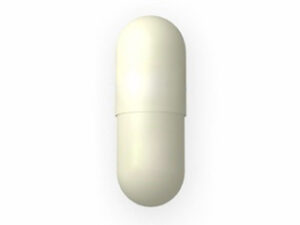
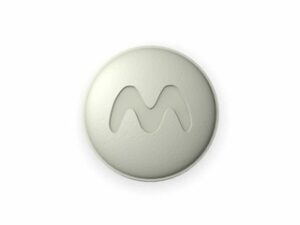
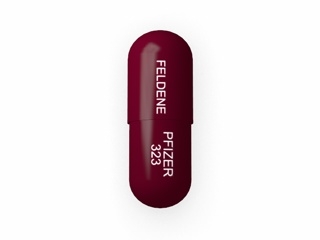
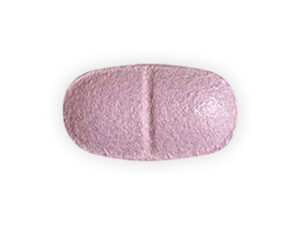
| Available Forms & Strengths | Capsules (10 mg, 20 mg); Dispersible tablets (20 mg); Gel (0.5% topical form) |
| Australian Manufacturers | Pfizer Australia Pty Ltd |
| Prescription Status | Prescription only medicine (Schedule 4, S4) |
Mechanism of Action
For Patients: Feldene contains piroxicam, which belongs to a group of medicines called non-steroidal anti-inflammatory drugs (NSAIDs). It helps to reduce pain, swelling, and inflammation, making it easier to move and feel comfortable.
For Specialists: Piroxicam inhibits cyclo-oxygenase (COX-1 and COX-2), reducing synthesis of prostaglandins, which are mediators of inflammation, pain, and fever. Piroxicam is considered a non-selective NSAID.
Pharmacokinetics
- Absorption: Well absorbed from the gastrointestinal tract; peak plasma concentrations within 3–5 hours.
- Bioavailability: Approximately 100%.
- Metabolism: Extensively metabolised in the liver (CYP2C9 and CYP2C8 pathways).
- Elimination: About 5% excreted unchanged in urine; majority excreted as metabolites in urine and faeces.
- Half-life: Typically 45–50 hours.
- Duration of Action: Once-daily dosing is usually sufficient due to the long half-life.
Use in Everyday Life and Best Practices
Piroxicam is commonly prescribed for adults to relieve symptoms of:
- Osteoarthritis
- Rheumatoid arthritis
- Ankylosing spondylitis
- Other musculoskeletal conditions causing pain and inflammation
The medicine should always be taken as directed by your doctor. Typical adult doses are 10–20 mg once daily. Dosing may be adjusted according to individual response and tolerability.
In Australia, Feldene is usually dispensed as a box of 30 capsules or tablets, and refills require a doctor's prescription. Some forms may be covered by the Pharmaceutical Benefits Scheme (PBS).
Dosing: Morning vs Evening
- Morning dosing: May be preferred if stiffness or pain is worse in the morning, aligning the peak effect with daily activities.
- Evening dosing: May help patients who experience worse symptoms at night.
- General advice: Consistency is important—take your dose at the same time each day to maintain even pain control.
Discuss your schedule with your doctor or pharmacist to decide the best time for your condition.
Taking with Food or on an Empty Stomach
Taking Feldene with food or after a meal can help minimise stomach discomfort, which is a common side effect of NSAIDs. In the context of a typical Australian diet, patients are encouraged to take it with breakfast or their main meal. Avoiding alcohol and spicy foods may further reduce the risk of gastrointestinal irritation.
Interaction Warnings
Tell your doctor and pharmacist about all medicines you are taking, including over-the-counter and herbal products.
| Interacting Substance | Potential Effect |
|---|---|
| Alcohol | Increases risk of stomach ulcers and bleeding |
| Warfarin and other anticoagulants | Increased risk of bleeding |
| Aspirin and other NSAIDs | Higher chance of gastrointestinal side effects |
| ACE inhibitors/ARBs | Reduced antihypertensive effect, risk of kidney problems |
| Diuretics | Impaired kidney function |
| Methotrexate | Increased methotrexate toxicity |
| SSRIs/SNRIs (antidepressants) | Risk of bleeding |
| Corticosteroids | Increased risk of ulceration or bleeding |
| Lithium | Increased risk of lithium toxicity |
Indications
| Condition | Status |
|---|---|
| Osteoarthritis | Approved |
| Rheumatoid arthritis | Approved |
| Ankylosing spondylitis | Approved |
| Acute musculoskeletal disorders | Off-label - used occasionally |
| Acute gout | Off-label - not preferred |
Dosing According to Clinical Indications
| Indication | Typical Adult Dose | Pediatric Dose | Special Considerations for Elderly |
|---|---|---|---|
| Osteoarthritis, RA, Ankylosing spondylitis | 10–20 mg once daily | Not recommended for under 18 years | Start at lowest effective dose; monitor for side effects |
| Topical Gel (muscle/joint pain) | Apply thin layer 2–3 times daily as needed | N/A | Monitor skin reactions |
Safety Profile and Side Effects
- Common:
- Stomach pain, indigestion, nausea
- Headache
- Dizziness
- Rash
- Less common/warnings:
- Fluid retention, swelling (oedema)
- Ulcers or bleeding of the stomach
- Raised blood pressure
- Kidney function changes
- Rare, serious:
- Severe allergic reactions (difficulty breathing or swelling of face/lips)
- Severe skin reactions (Stevens-Johnson syndrome)
- Liver problems (jaundice)
- Heart attack or stroke, especially with long term/high dose use
Contact your doctor or seek urgent medical attention if you experience black/tarry stools, vomiting blood, difficulty breathing, chest pain, or a sudden severe rash.
Guidelines for Proper Use: Advice from Australian Pharmacists
- Take the medication exactly as prescribed.
- Do not take higher or more frequent doses than recommended.
- Report any side effects promptly, especially gastrointestinal symptoms.
- Use lowest effective dose for shortest duration necessary.
- If using topical gel, wash hands after application and avoid contact with eyes/mucous membranes.
- Have regular follow up, including kidney and liver function tests, if using long-term.
- Store medicine in a cool, dry place away from children.
- Avoid non-prescription NSAIDs and discuss all medicines with your pharmacist to prevent double dosing.
Alternative Treatment Options
- Other oral NSAIDs: Ibuprofen, diclofenac, naproxen — typically available on prescription and via PBS; some available over-the-counter but usually at lower strengths.
- COX-2 inhibitors: Celecoxib, etoricoxib — lower risk of stomach issues, may be more suitable for some patients with gastrointestinal risks, but still require monitoring.
- Paracetamol: For mild to moderate pain; safer gastrointestinal profile but less effective for some conditions.
- Non-drug options: Physiotherapy, gentle exercise, weight management, thermal therapies, and use of mobility aids — all widely recommended in Australian clinical guidelines.
| Drug | Pros | Cons |
|---|---|---|
| Piroxicam | Long-acting, once daily | Higher ulcer risk, especially in elderly |
| Ibuprofen | Shorter duration, available OTC | Requires more frequent dosing |
| Diclofenac | Effective for pain/inflammation | May have higher cardiovascular risk |
| Celecoxib | Lower stomach/ulcer risk | Expensive, not suitable for all patients |
| Paracetamol | Low GI risk | Less effective for inflammatory conditions |
Legal, Registration, and Reimbursement Status in Australia
- Feldene (piroxicam) is registered for use in Australia by the Therapeutic Goods Administration (TGA).
- It is classified as Schedule 4 (Prescription Only) under the Standard for the Uniform Scheduling of Medicines and Poisons (SUSMP).
- Most indications are reimbursed under the Pharmaceutical Benefits Scheme (PBS) for eligible conditions (e.g. chronic arthritis, not acute pain).
- Dispensed only after a valid prescription from a medical practitioner.
- Record of dispensing kept by pharmacists under Australian privacy and health information law.
Latest Research and Clinical Guidance (2022–2025)
- The Australian Therapeutic Guidelines: Rheumatology (2023 edition) continues to recommend NSAIDs, including piroxicam, for short-term use in inflammatory arthritis and musculoskeletal pain. However, it cautions about gastrointestinal, renal, and cardiovascular side effects, especially in older adults (DOI: 10.18773/austprescr.2023.079).
- The RACGP’s 2023 guidance for osteoarthritis suggests non-pharmacological management first, with NSAIDs as needed for flares. Piroxicam’s long half-life offers convenient dosing but demands careful risk balancing.
- A 2024 meta-analysis in The Lancet comparing NSAIDs found no major efficacy differences, but highlighted piroxicam as having a higher ulcer risk (PMID: 35500281).
- PBS updates (2022–2025) confirm continued funding for piroxicam for major chronic arthritic conditions in Australia.
Availability and Delivery
| Form | Common Pack Sizes | Indicative PBS Price (Patient Co-Pay, 2024) | Delivery to Major Cities |
|---|---|---|---|
| Capsules 10 mg, 20 mg | 30 capsules | $7.30–$41.50 | Sydney: 1–2 days Melbourne: 1–2 days Brisbane: 2–3 days Perth: 4–5 days Adelaide: 2–3 days |
| Dispersible Tablets 20 mg | 30 tablets | $7.30–$44.00 | Same as above |
| Topical Gel (0.5%) | 50 g tube | $7.50–$28.00 | Same as above |
FAQ – Frequently Asked Questions
- Can I take Feldene if I have stomach problems?
Feldene increases stomach ulcer risk, especially if you have a history of stomach ulcers or take certain other medications (e.g., aspirin, steroids). Discuss with your doctor; sometimes a stomach protector such as omeprazole is prescribed together. - Is Feldene safe during pregnancy or while breastfeeding?
Feldene is generally not recommended during pregnancy (especially the third trimester) and while breastfeeding. Always consult your doctor if you are or may become pregnant. - Can I drive or use machinery while taking Feldene?
Some people experience dizziness or drowsiness with this medicine. Do not drive or operate machinery if you are affected. - How soon should I expect to feel better?
Some patients notice pain relief within a few hours, but full anti-inflammatory effect may take up to one week of regular use. - What should I do if I miss a dose?
If you miss a dose, take it as soon as you remember on the same day. If it’s nearly time for your next dose, skip the missed dose—do not double dose.
For further questions, always consult your doctor, pharmacist, or visit the official TGA and PBS websites.