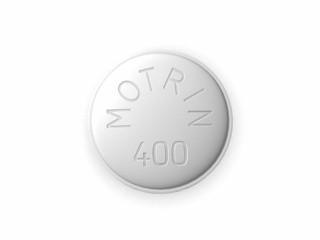
Motrin (Ibuprofen): Comprehensive Patient Guide for Australia
Basic Product Information
| International Nonproprietary Name (INN) | Ibuprofen |
|---|---|
| Common Australia Brand Names | Motrin, Nurofen, Advil, Brufen, GenRx Ibuprofen |
| ATC Code | M01AE01 |
| Available Forms and Strengths |
|
| Manufacturers | Johnson & Johnson Pacific, Reckitt Benckiser, Generic manufacturers |
| Prescription Status |
|
How Motrin (Ibuprofen) Works
For Patients:
Ibuprofen belongs to a group of medicines called non-steroidal anti-inflammatory drugs (NSAIDs). It helps reduce pain, inflammation (swelling), and fever by blocking substances in your body called prostaglandins, which play a key role in causing these symptoms.
For Specialists:
Ibuprofen is a reversible inhibitor of cyclo-oxygenase (COX) enzymes, both COX-1 and COX-2, reducing synthesis of prostaglandins, prostacyclins, and thromboxanes. Analgesic, antipyretic and anti-inflammatory actions result from the blunted production of proinflammatory mediators.
Pharmacokinetics
- Absorption: Rapidly absorbed from the gastrointestinal tract; peak plasma concentrations are reached within 1–2 hours of oral administration.
- Metabolism: Hepatic metabolism via CYP2C9; forms inactive metabolites.
- Elimination: Mainly excreted in urine as metabolites and unchanged drug; elimination half-life is approximately 2 hours.
- Duration of Action: 4–6 hours per dose for most pain relief effects.
Everyday Use & Best Practices in Australia
Motrin (ibuprofen) is widely used for the temporary relief of mild to moderate pain—such as headaches, dental pain, period pain, muscle aches, back pain, and non-serious arthritis. It is also commonly used to lower fever in both adults and children.
- For mild pain or fever: Start with 200–400 mg every 4–6 hours as needed.
- Do not exceed 1,200 mg/day for over-the-counter (OTC) use without guidance from a healthcare professional.
- For inflammatory pain (e.g., arthritis), higher regular doses (up to 2,400 mg/day) may be prescribed by your doctor for short periods.
- For children: Dosing is weight-based (see tables below).
- Use the lowest effective dose for the shortest possible period.
- Always read the package instructions before use.
Dosing Time: Morning vs Evening
- Morning Dose: Often preferred for day-time pain (headaches, muscle pain, period pain), as ibuprofen provides relief for 4–6 hours.
- Evening/Night Dose: Can be helpful for pain interfering with sleep, but may aggravate night-time reflux or stomach issues.
- Advice: Try to take at the same time each day if using regularly for a short course.
- Avoid taking on an empty stomach, especially at night, to minimise digestive upset.
Taking Ibuprofen With or Without Food
- Taking ibuprofen with food (or a glass of milk) is recommended in most cases to protect the stomach lining and reduce the chance of stomach upset or indigestion.
- In Australia, common meal options for co-administration include a sandwich, porridge, toast or a small snack; it does not need to be a large meal.
- Absorption is slightly delayed with food but effectiveness is not reduced for most people.
- Avoid consuming with large amounts of alcohol or spicy/fatty foods, as they may increase the risk of stomach issues.
Interactions
| Type of Interaction | Details | Recommendation |
|---|---|---|
| Food | Food reduces stomach irritation. | Take with food or milk when possible. |
| Alcohol | Increases risk of stomach ulcers/bleeding. | Limit or avoid alcohol during treatment. |
| Other NSAIDs/Aspirin | Increased risk of side effects; reduced effectiveness if used together long term. | Do not use ibuprofen with other NSAIDs unless advised by your doctor. |
| Blood Thinners (e.g., warfarin, apixaban) | Increased risk of bleeding. | Discuss with your doctor before using ibuprofen. |
| Antihypertensives (ACE-inhibitors, ARBs, diuretics) | May reduce blood pressure control, risk of kidney problems. | Monitor blood pressure; consult your doctor. |
| Methotrexate | Increased risk of toxicity. | Seek medical advice before use. |
| Lithium | Increased lithium levels. | Monitor with your healthcare provider. |
Indications: When is Motrin (Ibuprofen) Used?
| Indication | Approved? | Notes |
|---|---|---|
| Headache, tension-type headache | Yes | Short-term relief |
| Dental pain, toothache | Yes | Acute, post-procedural pain |
| Dysmenorrhoea (period pain) | Yes | Common OTC use |
| Musculoskeletal pain, back pain | Yes | Sprains, strains, minor injury |
| Osteoarthritis, rheumatoid arthritis | Yes (Rx) | Under medical supervision |
| Fever (pyrexia) | Yes | Adults, children & infants (over 3 months) |
| Migraine (acute) | Yes | Single ingredient or with paracetamol |
| Off-label (e.g., patent ductus arteriosus in neonates) | Under specialist care | Hospital protocols only |
Dosing According to Clinical Indication
| Population | Typical Dose | Maximum Daily Dose | Comment |
|---|---|---|---|
| Adults (pain/fever) | 200–400 mg every 4–6 hours | OTC: 1,200 mg; Rx: up to 2,400 mg* | *Rx and doctor supervision required for higher doses/long term |
| Children (6 months–12 years) | 5–10 mg/kg every 6–8 hours | 30 mg/kg | Weight-based; use oral suspension |
| Adolescents (12–17 years) | 200–400 mg every 6–8 hours | 1,200 mg | Use tablets or capsules |
| Elderly | Lowest effective dose, with careful monitoring | Depends on tolerance and co-morbidities | Higher risk of side effects |
Safety Profile and Side Effects
Most people tolerate ibuprofen well when used as directed for short periods. Long-term or high-dose use increases the risk of side effects.
| Frequency | Side Effect |
|---|---|
| Common |
|
| Uncommon - Rare |
|
| Serious (Seek medical attention) |
|
Guidelines for Proper Use: Australian Pharmacist Advice
- Always follow dosing instructions provided on the packaging or by your healthcare professional.
- Use the lowest effective dose for the shortest period necessary to control your symptoms.
- Do not combine with other NSAIDs (e.g., aspirin, naproxen) without discussing with your doctor or pharmacist.
- Take with or after food, especially if you are prone to stomach problems.
- Keep well hydrated, particularly in hot climates or while playing sport.
- If you have existing stomach/ulcer, kidney or heart issues, asthma, or take other regular medicines, always consult your pharmacist or GP before use.
- Do not use longer than 3 consecutive days for fever or 5 days for pain unless instructed by a doctor.
- Store below 25°C in a dry place; keep out of reach of children.
- Dispose of unused medicine at your pharmacy (do not flush or throw in household waste).
Alternative Treatment Options (PBS listed and OTC)
- Paracetamol (Panadol, Herron): Well-tolerated, first choice for mild-to-moderate pain or fever; less risk of stomach upset. Does not reduce inflammation.
- Aspirin: Also NSAID, but more likely to irritate the stomach and not generally recommended for children under 16 (risk of Reye’s syndrome).
- Diclofenac (Voltaren): Prescription-only for oral use; available OTC as a gel for local pain.
- Naproxen (Aleve, Naprosyn): Longer action, similar risks/benefits; available OTC in low strength.
- Topical NSAID Gels: Lower risk of systemic side effects; good for local pain or musculoskeletal injury (Voltaren Emulgel, Nurofen Gel).
- Non-drug strategies: Ice/heat packs, physiotherapy, rest, gentle stretching.
Legal, Registration & Reimbursement Status (Australia)
- Ibuprofen is a Pharmacy Medicine (S2) for small packs/low strengths and a Prescription Only Medicine (S4) for higher strengths, special formulations, or bulk packs.
- Ibuprofen is registered with the Therapeutic Goods Administration (TGA).
- Some ibuprofen products and combinations (especially prescription high strength, slow release or combination with codeine) may be subsidised under the Pharmaceutical Benefits Scheme (PBS) for select indications.
- Noted by the Australian Register of Therapeutic Goods (ARTG).
Latest Research and Clinical Guidance (2022–2025)
- NPS MedicineWise, Australian Therapeutic Guidelines (2022–2024): Recommends ibuprofen as a first-line therapy for self-limiting pain and inflammatory conditions when paracetamol fails, but highlights minimal effective use and careful monitoring of chronic use. (nps.org.au)
- Australian Guidelines (RACGP 2023): Emphasise avoidance in patients with high cardiovascular risk, active GI ulcers, renal impairment, or in late-term pregnancy. (racgp.org.au)
- Recent Studies (Lancet 2024, BMJ 2023): Recent meta-analyses confirm ibuprofen remains equally effective as other NSAIDs for most non-chronic pain, but long-term use is associated with elevated GI and renal risks.
- Avoid NSAIDs in the third trimester of pregnancy unless under specialist advice (TGA Category C).
Availability, Pack Sizes & Home Delivery (Australia)
| Brand & Strength | Pack Size | Indicative Price (AUD) | OTC/Prescription |
|---|---|---|---|
| Motrin 200 mg tablets | 24, 48 | $7–$15 | OTC (Pharmacy) |
| Motrin 400 mg tablets | 20, 40 | $8–$17 | Prescription or OTC (Pharmacy) |
| Nurofen (Ibuprofen) 200 mg caplets | 12, 24, 96 | $5–$18 | OTC (Pharmacy) |
| Ibuprofen suspension 100 mg/5 mL | 100 mL, 200 mL | $7–$14 | OTC (Pharmacy) |
Online ordering and local pharmacy delivery are available in most states and territories. Estimated delivery times (business days):
| City/Region | Typical Delivery |
|---|---|
| Sydney, Melbourne, Brisbane | Same day to 1 day |
| Perth, Adelaide, Canberra, Hobart | 1–2 days |
| Darwin, regional centres | 2–4 days |
| Remote areas (rural, outback) | Up to 7 days, depending on service |
FAQ: Common Patient Questions
- Is it safe to take ibuprofen every day?
Ibuprofen is generally safe for short-term occasional use. Long-term daily use (over several weeks) can increase the risk of stomach, kidney, or heart issues—consult your GP or pharmacist if you require ongoing pain relief. - Can I take ibuprofen with paracetamol?
Yes, ibuprofen and paracetamol work differently and can be taken together or alternated for stronger pain relief. Check labels for combination products and do not exceed recommended doses of either. - Is ibuprofen suitable for children?
Yes, for children over 3–6 months, ibuprofen (liquid form) may be used for pain or fever. Always use the correct dose for your child’s weight. Speak to your pharmacist or doctor for infants under 6 months or if unsure. - Why do I need to take ibuprofen with food?
Taking ibuprofen with food helps protect your stomach from irritation. This is especially important if you have a history of stomach issues or need to take it for several days. - Does ibuprofen interact with any other medicine I'm taking?
Yes, ibuprofen may interact with blood pressure medicines, blood thinners, certain antidepressants, and other anti-inflammatories. If you regularly take any other medication, check with your doctor or pharmacist before starting ibuprofen.
Disclaimer: This patient overview is provided as general information. For specific advice related to your health or medicines, please consult your doctor or pharmacist.