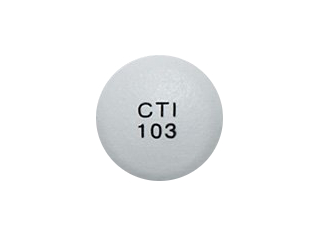


Diclofenac (Diclofenac Sodium): Patient-Friendly Medicine Guide (Australia)
1. Basic Product Information
| International Nonproprietary Name (INN) | Diclofenac (as Diclofenac sodium) |
|---|---|
| Common Australia Brand Names | Voltaren, Cataflam, Diclohexal, Fenac, Arthrexin |
| ATC Code | M01AB05 |
| Available Forms & Strengths |
|
| Manufacturers | Novartis, Alphapharm, Sandoz, Aspen Pharmacare, and others |
| Prescription Status (Australia) |
|
2. Mechanism of Action
In simple terms: Diclofenac is a non-steroidal anti-inflammatory drug (NSAID) that reduces inflammation, pain, and fever. It works by blocking the activity of an enzyme (cyclooxygenase, or COX) responsible for producing substances called prostaglandins. Prostaglandins are involved in inflammation and pain signals.
For specialists: Diclofenac inhibits both COX-1 and COX-2 isoenzymes, with moderate COX-2 selectivity, minimizing prostaglandin synthesis. This leads to reduced inflammation, analgesia, and antipyresis but also contributes to gastrointestinal and renal adverse effects through COX-1 inhibition.
3. Pharmacokinetics
- Absorption: Rapidly and almost completely absorbed when taken by mouth; peak blood levels are reached in 1–2 hours for oral forms and <30 minutes for injectable formats.
- Metabolism: Extensively metabolised in the liver (mainly via CYP2C9), with several inactive metabolites.
- Elimination: Excreted mainly in urine (60%) and bile/faeces (35%) as metabolites; less than 1% excreted unchanged.
- Duration of Action: Typically 8–12 hours for immediate-release tablets; extended-release forms provide symptom control for 24 hours.
4. Everyday Use and Best Practices (Australia)
Diclofenac is commonly prescribed in Australia to manage:
- Pain and inflammation associated with osteoarthritis and rheumatoid arthritis
- Musculoskeletal injuries (such as sprains, back pain, tendonitis)
- Acute migraine attacks (in tablet or suppository formulations)
- Postoperative pain, dental pain, and menstrual cramps (dysmenorrhoea)
- Topical gels are used for localised soft tissue and joint pain
Always take diclofenac strictly as prescribed by your Australian healthcare provider. The minimum effective dose for the shortest time possible is recommended, especially for ongoing (chronic) conditions.
Typical Australian dosing (adults):
- Tablets: 50–75 mg 2–3 times daily, maximum 150 mg daily in divided doses (immediate release); 75–100 mg once daily for extended-release formulations
- Topical gel: Thin layer on the affected area 3–4 times daily
- Suppository: 50–100 mg once daily, or as divided
5. Dosing Timing: Morning vs Evening
- Morning dosing: May help with morning stiffness, particularly in arthritis; less risk of overnight gastrointestinal discomfort.
- Evening dosing: Extended-release formulations may be used at night for sustained relief, especially for overnight symptoms.
- Consistency: Take your dose at the same time each day for best results. Do not double up if you miss a dose—simply resume at your next scheduled time unless advised otherwise by a healthcare professional.
6. Taking With Food or On an Empty Stomach
Diclofenac may be taken with or after food or a glass of milk to reduce the risk of stomach upset, irritation, or ulceration—a key consideration given NSAIDs' gastrointestinal risks. Food may slightly delay absorption but does not diminish the overall strength of the medicine.
Australian dietary habits tip: It can be taken with breakfast or dinner; avoid high-fat meals immediately before the dose, as these can further slow medication onset. Maintain adequate hydration and avoid excess alcohol or citrus juices.
7. Interaction Warnings
Always inform your doctor or pharmacist in Australia about all the medicines and supplements you are taking. Key interactions include:
| Type | Interaction | Recommendation |
|---|---|---|
| Other NSAIDs, Aspirin | Increased risk of gastrointestinal bleeding and ulcers | Avoid concurrent use |
| Warfarin and anticoagulants | Increased risk of bleeding | Monitor closely or avoid |
| ACE inhibitors, ARBs, diuretics | May reduce blood pressure control or cause kidney problems | Monitor renal function regularly |
| SSRIs, corticosteroids | Higher risk of gastrointestinal side effects | Caution advised |
| Alcohol | Increased risk of stomach irritation and liver effects | Limit or avoid alcohol intake |
| Methotrexate, lithium | Increased blood levels/toxicity | Monitor levels; may require dosage adjustment |
8. Indications: Official and Off-Label Uses (Australia)
| Indication | Official/Approved | Off-label Use |
|---|---|---|
| Osteoarthritis, Rheumatoid arthritis, Ankylosing spondylitis | Yes | No |
| Musculoskeletal pain (including back pain, sprains) | Yes | No |
| Menstrual cramps (dysmenorrhoea) | Yes | No |
| Acute migraine attacks | Yes (tablet/suppository) | No |
| Gout (acute attack) | No | Yes (occasionally used) |
| Postoperative/dental pain | Yes | No |
| Fever (short-term) | No | Yes (after medical advice only) |
9. Dosing According to Clinical Indications
| Indication | Adults | Children (<18 years) | Elderly (≥65 years) |
|---|---|---|---|
| Arthritis/Chronic pain | 75–150 mg daily (divided; max 150 mg) | 1–3 mg/kg/day (max 75 mg/day) | Start at lower end; max 100 mg/day |
| Acute pain/migraine | 50–100 mg initial, repeat after 8 hrs if needed; max 150 mg/day | Not usually recommended | As above; use lowest effective dose |
| Topical application | Apply thinly up to 4x/day | Not recommended for under 14 years | As adults, but monitor skin for irritation |
| Suppositories | 50–100 mg once or twice daily | Dose as per weight and doctor's advice | As adults; start lower |
10. Safety Profile/Side Effects
Most people tolerate diclofenac well when taken as directed. However, side effects may occur.
| Frequency | Side Effects | What To Do |
|---|---|---|
| Common (>1%) |
| Take with food; consult if persistent |
| Occasional (0.1–1%) |
| Monitor symptoms; notify doctor |
| Rare (<0.01%) |
| Seek urgent medical attention |
11. Guidelines for Proper Use (Pharmacist Advice in Australia)
- Always use the lowest effective dose for the shortest possible duration.
- Take with or immediately following a meal or milk to reduce stomach upset.
- Do not use diclofenac with other NSAIDs (e.g., ibuprofen) unless specifically instructed.
- If you have a history of stomach ulcers, bleeding, heart disease, high blood pressure, or kidney issues, inform your healthcare provider before starting diclofenac.
- For topical gels, wash your hands after use and avoid contact with the eyes and open wounds.
- Attend regular medical check-ups if using long-term.
- Keep all medicines out of reach of children and store below 30°C (room temperature).
12. Alternative Treatment Options in Australia (PBS-Subsidised/General)
- Other oral NSAIDs: Ibuprofen (Nurofen), naproxen (Naprosyn), meloxicam (Mobic), celecoxib (Celebrex)
- Paracetamol: For mild pain and fever, especially preferred in elderly or those with gastrointestinal risk
- Topical NSAIDs: Ibuprofen cream, ketoprofen gel
- Opioid analgesics: Short-term use only, under close medical supervision
- Non-drug therapies: Physiotherapy, heat packs, exercise, and weight management
Comparative pros and cons: Diclofenac is more potent than ibuprofen but carries higher cardiovascular and GI risks if used long-term or at high dose. Naproxen is safer for those with heart risk. Celecoxib and meloxicam are "COX-2 selective" and may cause fewer GI side effects.
13. Legal, Registration, and Reimbursement Status in Australia
- TGA-registered: All major diclofenac products (oral, topical, injectable) are registered with the Therapeutic Goods Administration (TGA) in Australia.
- Pharmaceutical Benefits Scheme (PBS): Some forms and indications are subsidised by the PBS—your prescriber or pharmacist can confirm eligibility.
- Legal classification: Oral and injectable products—requires prescription (Schedule 4); topical gels up to 1% in small packs—can be purchased over the counter.
14. Latest Research and Clinical Guidance (2022–2025)
- Recent guidelines (Therapeutic Guidelines Australia, 2023) reaffirm that diclofenac is effective for short-term management of moderate pain and inflammation, but should be prescribed at the lowest effective dose and for the shortest necessary period.
- Growing emphasis on cardiovascular and gastrointestinal risk: Use with caution in people with heart disease, hypertension, or history of ulcers (see European Medicines Agency, 2023 and TGA advisories, 2024).
- Ongoing studies are investigating the role of topical NSAIDs in chronic pain; recent analyses (BMJ 2023) find topical diclofenac effective with minimal systemic risk.
- References: NPS MedicineWise, Therapeutic Goods Administration (TGA), Australian Medicines Handbook 2024, BMJ 2023; European Medicines Agency (EMA) safety updates.
15. Availability and Delivery in Australia
| Pack Size | Common Brands | Indicative Price (AUD) | Usual Delivery Time (Metropolitan/Regional/Rural) |
|---|---|---|---|
| 30 tablets (50 mg) | Voltaren, Diclohexal | $8–$18 | 1–2 days metro; 2–4 days regional; 3–7 days rural/remote |
| 100 g 1% gel | Voltaren, Fenac | $15–$26 | Same as above |
| Suppositories (12 pack, 100 mg) | Voltaren | $16–$25 | Same as above |
| Pre-filled injectables (3 x 3 mL ampoules) | Voltaren, Diclofenac Sandoz | $9–$14 | Pharmacy-only, may require ordering |
16. Frequently Asked Questions (FAQ)
- Q: Can I take diclofenac with other painkillers?
A: It is generally safe to combine diclofenac with paracetamol, but avoid taking it with other NSAIDs (such as ibuprofen) unless instructed by your doctor, as this increases risk of side effects. - Q: How quickly does diclofenac start working?
A: Oral diclofenac usually begins to relieve pain and inflammation within 30–60 minutes; topical gels may take several days to reach full effect. - Q: What should I do if I miss a dose?
A: Take it as soon as you remember if it is not too close to your next dose. Do not double up to catch missed doses. - Q: Is it safe during pregnancy or breastfeeding?
A: Diclofenac is generally not recommended during pregnancy, especially after 30 weeks, due to risk to the baby. Speak to your doctor or pharmacist for alternative pain relief. - Q: Can I drive or operate machinery?
A: If diclofenac makes you dizzy, drowsy, or impairs reaction time, avoid driving or using heavy machinery until you know how it affects you.
Always consult your Australian healthcare provider for personalised advice. For more information, call your pharmacist, visit NPS MedicineWise or your local pharmacy.