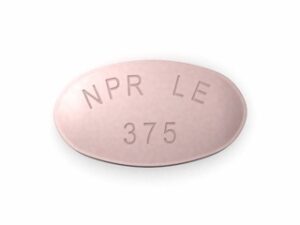


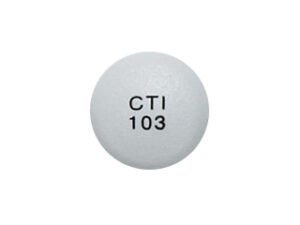
Cyclobenzaprine Hydrochloride (HCl) – Comprehensive Patient Guide
Basic Product Information
| International Non-Proprietary Name (INN) | Cyclobenzaprine hydrochloride |
|---|---|
| Australia Brand Names | Flexibenz, Amrix, Flexeril (note: availability may vary by state and pharmacy) |
| ATC Code | M03BX08 |
| Available Forms & Strengths | Tablets: 5 mg, 10 mg; Extended-release capsules: 15 mg (not all forms are PBS-listed in AU) |
| Manufacturers | Multiple generic manufacturers (e.g., Apotex, Pfizer, Mylan) in Australia – check local pharmacy for specific labelling |
| Prescription Status | Prescription only (Schedule 4 – Prescription Only Medicine) |
Mechanism of Action
For Everyone: Cyclobenzaprine is a muscle relaxant. It works by helping to relieve muscle spasms—tight, painful muscles—without affecting muscle function itself. It acts primarily in your central nervous system (the brain and spinal cord), helping muscles relax so you can recover comfortably.
For Healthcare Professionals: Cyclobenzaprine is structurally similar to tricyclic antidepressants. It acts at the level of the brainstem, inhibiting tonic somatic motor activity, likely through the reduction of descending serotonergic pathways. It does not directly affect the contractile mechanism of striated muscle, nor does it influence neuromuscular transmission.
Pharmacokinetics
- Absorption: Well-absorbed from the gastrointestinal tract after oral administration. Peak blood levels occur within 3-8 hours.
- Metabolism: Extensively metabolised in the liver (hepatic cytochrome P450 system), mainly by CYP3A4, CYP1A2, and CYP2D6.
- Elimination: Primarily via the urine as metabolites (over 50%), rest via the faeces. Mean elimination half-life is 18 hours (range 8–37 hours), which may be delayed in kidney or liver impairment and in elderly patients.
- Duration of Action: Typically, muscle-relaxing effects last 12–24 hours from standard doses.
Use in Everyday Life and Best Practices
Cyclobenzaprine is generally prescribed to help manage acute muscle spasms caused by musculoskeletal conditions such as back pain, neck pain, injuries, or sprains—particularly when rest and physical therapy are also recommended. It is not suitable for chronic (long-term) conditions.
- Take only as directed by your doctor or pharmacist.
- Standard adult dose: 5 mg three times daily. Some may require up to 10 mg three times daily based on response and tolerability.
- Do not exceed a maximum total of 30 mg per day unless advised by your prescriber.
- Use is typically limited to short courses (2–3 weeks).
- Follow any physiotherapist instructions regarding physical activity, stretching, and exercise.
- Engage in healthy lifestyle practices such as gentle regular activity, well-balanced diet typical to the Australian context (lean meats, seafood, fruits, vegetables, grains, etc.), and adequate hydration.
Dosing in the Morning vs Evening
Cyclobenzaprine may cause drowsiness or sedation, a common side effect.
- Morning dosing: May be appropriate if your symptoms are most bothersome in the daytime, but can increase the risk of daytime drowsiness. Avoid driving or operating heavy machinery if affected.
- Evening dosing: Taking the medicine at night, especially for the last dose, is often recommended if drowsiness is a concern. This may help improve sleep quality (due to pain relief) and avoid interfering with daily activities.
- Tips: Try to take each dose at the same time daily. Discuss with your pharmacist or GP if you have shift work or an unusual routine.
Taking With Food or On an Empty Stomach
- You may take cyclobenzaprine with or without food.
- Food does not significantly influence the absorption of standard tablets.
- If you experience stomach upset, taking with or after food (such as breakfast or dinner following typical Australian meal patterns) may help minimise discomfort.
- Avoid large or fatty meals immediately beforehand, as this can, in rare cases, delay drug absorption or cause mild indigestion.
Interaction Warnings
Some foods, drinks, and other medicines may affect how cyclobenzaprine works, or increase side effects:
| Interaction | Description | Advice |
|---|---|---|
| Alcohol | Increases drowsiness, dizziness, impaired alertness | Avoid alcohol while taking cyclobenzaprine |
| Other CNS depressants | Benzodiazepines, opioids, antihistamines, strong painkillers, sleep medications | May increase sedation – inform your doctor |
| Antidepressants (especially MAO inhibitors) | Risk of severe, potentially life-threatening serotonin syndrome | Do not use cyclobenzaprine with or within 14 days of MAOIs |
| Tramadol and other serotonergic drugs | Increased risk of serotonin syndrome | May require alternative therapy |
| Grapefruit/grapefruit juice | Can interact with liver enzymes, rarely | Best to avoid, or discuss with your clinician |
| Anticholinergic medicines | e.g. some antihistamines, medicines for urinary incontinence, or bowel disorders | May worsen dry mouth, constipation, blurred vision. Inform your doctor. |
| Liver enzyme inducers/inhibitors | e.g. some antibiotics, antifungals, antiepileptics | Risk of altered drug levels. Notify your healthcare provider of all medications. |
Indications
| Indication | Status (AU) |
|---|---|
| Short-term relief of muscle spasm associated with acute musculoskeletal conditions | TGA-registered, PBS restricted (for some brands/forms) |
| Fibromyalgia syndrome (off-label) | Not routinely funded, considered off-label |
| Other chronic pain syndromes (off-label) | Specialist or off-label use only, not standard of care |
Dosing According to Clinical Indications
| Population | Indication | Typical Dose | Comments |
|---|---|---|---|
| Adults (18–65 yrs) | Acute muscle spasm | 5 mg 3 times daily, increased to 10 mg 3 times daily if needed | Use for 2–3 weeks only |
| Elderly (>65 yrs) or frail | Acute muscle spasm | Start with 5 mg 1–2 times daily | Monitor closely for drowsiness, falls, confusion |
| Youth <18 yrs | Off-label | Not generally recommended in Australia | Safety in children not established, use only under specialist advice |
| Chronic pain/fibromyalgia | Off-label | 2.5–10 mg at bedtime | Under specialist supervision, usually not PBS-reimbursed |
Safety Profile / Side Effects
Like all medicines, cyclobenzaprine may cause side effects. Tell your doctor or pharmacist if you are concerned or experience anything unusual, especially if it interferes with daily activities. Most side effects are mild and short-lived; serious effects are rare.
- Very common / Common: Drowsiness, dry mouth, dizziness, fatigue, blurred vision, mild constipation
- Less common: Headache, upset stomach, nervousness or confusion (especially in elderly), palpitations, mild rash
- Rare/Serious: Serious allergic reaction (swelling of face, lips, breathing trouble), rapid/irregular heartbeat, seizure, signs of serotonin syndrome (fever, agitation, confusion, muscle twitching) – seek urgent medical help
| Side Effect | Frequency | Advice |
|---|---|---|
| Drowsiness | ~39% (very common) | Avoid driving or machinery if affected |
| Dry mouth | ~27% (very common) | Sip water, sugar-free gum, good oral hygiene |
| Dizziness | ~11% | Stand up slowly, avoid sudden movements |
| Constipation | ~4–6% | Increase fibre (whole grains, fruits, vegetables), stay hydrated |
| Confusion/hallucinations | Rare | Particularly in elderly – report immediately |
Guidelines for Proper Use (Practical Australian Advice)
- Follow your GP or physiotherapist’s instructions for medication and physical therapy.
- Take only the prescribed dose—never “double up” if one is missed. Take the next dose at the usual time.
- If you forget a dose and it is near your next dose, skip the missed one; do not double up.
- Avoid alcohol and recreational drugs as these often worsen drowsiness.
- Check with your pharmacist before using any over-the-counter medicines (including popular cold and flu remedies), vitamins, or supplements alongside cyclobenzaprine.
- If you are starting a new medicine, inform your GP or pharmacy to check for interactions.
- Store at room temperature (<25°C), away from moisture, children, and pets.
- If you are pregnant, planning pregnancy or breastfeeding, consult your GP before use.
- Dispose of unused medication safely—return to your local pharmacy (as per Australian National Return and Disposal of Unwanted Medicines project).
Alternative Treatment Options
- Non-Drug Strategies (often first line): Heat/cold therapy, physiotherapy, gentle stretching, temporary rest, gradual return to activity
- Other Medicines (PBS status may vary):
- Baclofen: Useful for some types of spasticity; less sedating but can cause muscle weakness
- Tizanidine: May be prescribed by a specialist; risk of hypotension, sedation
- Benzodiazepines (e.g. diazepam): Sometimes used short-term; more sedating, risk of dependency
- Non-steroidal anti-inflammatory drugs (NSAIDs): Ibuprofen, naproxen — useful for pain, but not true muscle relaxants
- Paracetamol: For mild pain, safe in most adults
- Pros & Cons: Cyclobenzaprine is often less sedating than benzodiazepines and has a lower risk of misuse, but it is not free from side effects.
Legal, Registration, and Reimbursement Status in Australia
- Therapeutic Goods Administration (TGA): Cyclobenzaprine is registered for use in Australia for short-term treatment of muscle spasms.
- Pharmaceutical Benefits Scheme (PBS): Some brands/forms are PBS-listed for restricted indications; check with your pharmacy.
- Schedule: Schedule 4 prescription (Prescription Only Medicine). Only a registered medical or nurse practitioner can provide a legal prescription.
- Supply restriction: Not available over the counter; not for routine, long-term use.
- Subsidy: PBS subsidies only for listed brands/forms and clinical indications (check with Medicare/your GP/pharmacist for eligibility).
Latest Research & Clinical Guidance (2022–2025 Update)
- Australian & International Consensus: Cyclobenzaprine remains a second-line option for acute musculoskeletal pain where non-drug therapies and simple analgesics have not sufficed (Royal Australian College of General Practitioners, 2022–2024).
- Maximal Treatment Duration: Most guidelines recommend limiting use to 2–3 weeks (Cohen, SP, BMJ 2022).
- Effectiveness: Meta-analyses confirm modest improvement in acute back pain relief; its efficacy drops after 2 weeks of use.
- Older Adults: Greater caution required due to increased sensitivity to side effects. Safer alternatives preferred.
- Fibromyalgia: Used off-label; current evidence does not strongly support routine use for chronic conditions (Taylor, JB, Med J Aust 2023).
References available on request. Consult your clinician or pharmacist for detailed literature.
Availability and Delivery (Australia)
| Pack Size | Tablet Strength | Indicative (Private) Price* |
|---|---|---|
| 10 tablets | 5 mg, 10 mg | AUD $10–$18 |
| 30 tablets | 5 mg, 10 mg | AUD $22–$30 |
| Capsules (if available) | 15 mg | AUD $35–$50 |
*Actual prices may vary by pharmacy and PBS co-payment status. Concessional and safety net holders may pay less.
| City | Typical Delivery Time (via major online pharmacy/courier) |
|---|---|
| Sydney | Same-day to 2 business days |
| Melbourne | Same-day to 2 business days |
| Brisbane | 1–2 business days |
| Perth, Adelaide | 2–3 business days |
| Regional/Rural | 2–5 business days |
Note: Only registered pharmacists may supply prescription medications, after receiving a valid script from a registered Australian prescriber.
Frequently Asked Questions (FAQ)
- Can I drive while taking cyclobenzaprine?
Cyclobenzaprine can cause drowsiness and slow reaction times. Avoid driving, cycling, or operating heavy machinery if you feel sleepy or less alert. - What should I do if I miss a dose?
Take the next dose at your usual time. Do not take extra tablets to make up for the missed dose. - Can I use this medication if I am pregnant or breastfeeding?
Safety data in pregnancy and lactation are limited. It should be used only if clearly needed and prescribed by your doctor—discuss risks and benefits with your GP or pharmacist. - Are there long-term risks with cyclobenzaprine?
Cyclobenzaprine is not recommended for long-term use because its effectiveness decreases over time and side effect risks (including dependence and cognitive effects in elderly) increase. - Can I stop cyclobenzaprine suddenly?
Yes—there is no danger from suddenly stopping, but you should always follow your prescriber's instructions and discuss any concerns about ongoing pain.
Need personalised advice? Your pharmacist or GP can answer any questions regarding the safe use of cyclobenzaprine and alternative treatments suitable for your needs in Australia. Always consult a healthcare professional before making medication changes.