
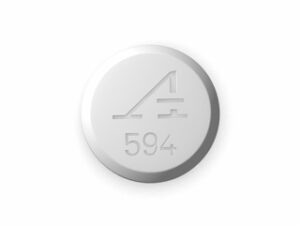
Celecoxib: Patient Information for Australia
Basic Product Information
| International Nonproprietary Name (INN) | Celecoxib |
|---|---|
| Common Australia Brand Names | Celebrex®, Celecoxib Sandoz®, Cecoxib®, Celecoxib Apotex® |
| ATC Code | M01AH01 |
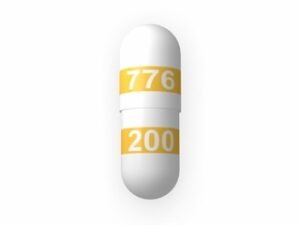
| Available Forms and Strengths | Oral capsules: 100 mg, 200 mg |
| Manufacturers | Pfizer Australia, Sandoz Australia, Apotex, Alphapharm |
| Prescription Status in Australia | Prescription only (Schedule 4, S4) |
Mechanism of Action
For Patients: Celecoxib belongs to a group of medicines called nonsteroidal anti-inflammatory drugs (NSAIDs). More specifically, it is a “COX-2 selective inhibitor.” This means Celecoxib helps reduce pain and swelling (inflammation) by blocking a specific enzyme (COX-2) in your body that produces substances (prostaglandins) causing pain and inflammation.
For Healthcare Professionals: Celecoxib selectively inhibits cyclooxygenase-2 (COX-2), reducing prostanoid (primarily PGE2) synthesis implicated in the inflammatory response. Unlike traditional NSAIDs, it exhibits minimal inhibition of COX-1 at therapeutic doses, thereby lowering risk of gastrointestinal mucosal injury and platelet dysfunction.
Pharmacokinetics
- Absorption: Well absorbed orally; peak plasma concentrations reached in ~2–4 hours. Bioavailability not significantly affected by age or gender.
- Metabolism: Extensively metabolised by the liver via cytochrome P450 enzyme CYP2C9.
- Elimination: Excreted mainly as metabolites via faeces (57%) and urine (27%).
- Half-life: Approximately 11 hours.
- Duration of Action: Effective symptom control typically lasts 12–24 hours per dose.
Use in Everyday Life and Best Practices
Typical Use: Celecoxib is commonly prescribed for relief of pain and inflammation in conditions such as osteoarthritis, rheumatoid arthritis, ankylosing spondylitis, and menstrual pain (dysmenorrhoea). It is also sometimes used for other painful musculoskeletal conditions as recommended by your doctor.
Usual Dosage:
- Osteoarthritis: 200 mg once daily or 100 mg twice daily
- Rheumatoid arthritis: 100–200 mg twice daily
- Ankylosing spondylitis: 200 mg once daily or 100 mg twice daily (maximum 400 mg per day)
- Acute pain/dysmenorrhoea: Initial 400 mg dose, then 200 mg if needed on the first day; up to 200 mg twice daily on subsequent days (short-term use only)
Best Practice Tips in Australia:
- Take celecoxib at the same time every day, to maintain even levels in your body.
- If you miss a dose, take it as soon as you remember — unless it is nearly time for your next dose.
- Do not exceed the prescribed dose or duration of use.
Dosing in the Morning vs Evening
You can take Celecoxib in the morning or evening. There is no established difference in effectiveness, but some patients find that morning dosing helps with daytime pain and stiffness, while others prefer evening dosing for overnight symptom control. It is important to take it at the same time each day for best results. Choose the time that best fits your routine and helps you remember.
Tips for Regularity: Use a reminder or combine with another daily activity (e.g., breakfast or brushing teeth).
Taking with Food or on an Empty Stomach
Celecoxib can be taken with or without food. Taking it with food may help if you experience stomach discomfort, though it is generally gentler on the stomach than traditional NSAIDs. In Australian dietary habits, if you have a sensitive stomach, taking Celecoxib after brekkie or dinner is recommended. Avoid taking it on an empty stomach if you have a history of dyspepsia.
Interaction Warnings
Tell your pharmacist or doctor about all medicines, vitamins, and supplements you are taking. Some interactions can be serious. Key interactions include:
| Interaction | Effect | Recommendation |
|---|---|---|
| Warfarin & anticoagulants | Increased risk of bleeding | Monitor INR closely |
| Ace inhibitors, ARBs | Risk of kidney function reduction | Monitor renal function |
| Diuretics | May decrease effect | Monitor blood pressure and kidneys |
| Other NSAIDs, aspirin | Increased adverse effects (GI, renal) | Avoid combination |
| Lithium | Increased lithium levels | Monitor lithium concentration |
| Fluconazole | Increases celecoxib levels | Consider dose adjustment |
| Alcohol | Increases risk of stomach upset/bleeding | Limit intake |
Indications for Celecoxib in Australia
| Indication | Australian Legal Status | Notes |
|---|---|---|
| Osteoarthritis (OA) | Approved | Long-term use supported |
| Rheumatoid arthritis (RA) | Approved | For symptomatic relief |
| Ankylosing spondylitis | Approved | For symptomatic relief |
| Acute pain (including dysmenorrhoea) | Approved (short-term) | Prescription limited by indication |
| Familial adenomatous polyposis | Off-label | Specialist supervision required |
| Gout, post-surgical pain | Not approved | Not routinely prescribed |
Dosing According to Clinical Indication
| Indication | Adult Dose | Paediatric Dose | Elderly Dose/Precautions |
|---|---|---|---|
| Osteoarthritis | 200 mg daily (once or 100 mg twice) | Not approved | Lowest effective dose preferred (consider 100 mg daily initially) |
| Rheumatoid arthritis | 100–200 mg twice daily | Not approved | Monitor renal and cardiac function |
| Ankylosing spondylitis | 200 mg daily (once or 100 mg twice) | Not approved | Renal/cardiac monitoring advised |
| Acute pain/dysmenorrhoea | Up to 400 mg initially, then 200 mg if needed on day 1, 200 mg twice daily for up to 5 days | Not approved | Shortest duration, lowest dose |
Safety Profile and Side Effects
Most people tolerate Celecoxib well, but side effects may occur. Seek immediate medical attention if you notice signs of a serious reaction.
| Frequency | Side Effects |
|---|---|
| Common (>1/100) |
|
| Uncommon (1/1,000–1/100) |
|
| Rare (<1/1,000) |
|
Important Warnings: Celecoxib may increase risk of serious cardiovascular events, especially in those with risk factors. It can make existing kidney, liver, or heart disease worse. It is not recommended in late pregnancy (third trimester).
Guidelines for Proper Use (Australia-Specific Advice)
- Always follow your doctor’s dosing instructions.
- Use the lowest effective dose for the shortest necessary period.
- Tell your healthcare team if you have, or have had, heart, kidney or liver disease, GI ulcers, or allergies to NSAIDs.
- Report unusual bleeding, chest pain, shortness of breath, swelling, or rash immediately.
- Inform your dentist and other healthcare providers you are taking Celecoxib.
- If you become pregnant, contact your doctor immediately. Do not breastfeed while on Celecoxib.
- Regular check-ups and blood tests may be recommended for longer-term therapy.
Alternative Treatment Options
- Other NSAIDs: Ibuprofen, naproxen, diclofenac (PBS-listed, effective but slightly higher GI risk).
- Paracetamol: Often first-line for mild joint pain, fewer side effects, but less effective for inflammation.
- Opioids: Reserved for severe pain; higher risk of side effects, dependence.
- Physical therapy: Core part of osteoarthritis/RA management in Australia. For all patients where possible.
- Topical anti-inflammatories: e.g., diclofenac gel for localised joint pain (lower systemic side effect risk).
| Option | Pros | Cons |
|---|---|---|
| Ibuprofen | Wide availability, rapid onset | Greater risk of stomach ulcers/bleeding |
| Paracetamol | Fewer GI/cardiac risks | Less effective for inflammation |
| Opioids | Effective for acute/severe pain | Sedation, dependence, not for chronic conditions |
| Topical NSAIDs | Fewer systemic effects | Limited to local pain, not all joints amenable |
Legal, Registration, and Reimbursement Status in Australia
- Registered by the Therapeutic Goods Administration (TGA) for use in Australia since 2000.
- Prescription only – cannot be purchased over the counter.
- Pharmaceutical Benefits Scheme (PBS): Celecoxib is PBS-listed for osteoarthritis, rheumatoid arthritis, and ankylosing spondylitis, providing subsidised access for eligible patients.
- Authority required for some indications (e.g., continuing treatment after certain periods).
Latest Research and Clinical Guidance (2022–2025)
- Australian Therapeutic Guidelines (2024): Recommends COX-2 inhibitors (incl. Celecoxib) as suitable NSAIDs for patients at higher risk of GI side effects, but cautions increased cardiovascular risk. Lowest effective dose and regular review advised.
Source: Therapeutic Guidelines (eTG complete), 2024 - Cochrane Reviews (2023): Updated meta-analysis confirms celecoxib is as effective as other NSAIDs for pain and function in osteoarthritis, and provides improved gastrointestinal safety compared to non-selective NSAIDs.
Source: Trelle S et al., Cochrane Database Syst Rev, 2023 - British Medical Journal (BMJ, 2022): Large observational studies note increased risk of cardiovascular events, particularly at higher doses or in those with pre-existing risk factors.
- Australian Prescriber (2022): Ongoing advice: Consider individual patient comorbidities and risk factors before prescribing.
Availability and Delivery
| Pack Size | Approximate Price (PBS)* | Description |
|---|---|---|
| 30 capsules (100 mg / 200 mg) | $6.70 (concession), $22–$30 (private) | Most commonly dispensed size in Australia |
| 60 capsules (100 mg / 200 mg) | $13.40 (concession), $44–$60 (private) | For ongoing therapy |
*Prices as of June 2024, may vary by pharmacy and patient eligibility
| City | Indicative Delivery Time (online/pharmacy order) |
|---|---|
| Sydney | Same day–2 business days |
| Melbourne | 1–2 business days |
| Brisbane | 1–2 business days |
| Perth | 2–4 business days |
| Adelaide | 1–3 business days |
| Hobart | 2–4 business days |
Frequently Asked Questions (FAQ)
1. Can I take Celecoxib if I have heart disease or high blood pressure?
Celecoxib may not be suitable for everyone with heart conditions or high blood pressure, as it can slightly increase cardiovascular risk. Inform your doctor of your full medical history. Your doctor may monitor your heart and blood pressure closely or suggest a different medicine if you have significant heart risk factors.
2. What should I do if I miss a dose?
Take the missed dose as soon as you remember, unless it is almost time for your next dose. Do not take two doses at once. Resume your usual schedule at the next dose.
3. Can I drive or operate machinery while taking Celecoxib?
Celecoxib is unlikely to affect your ability to drive. However, a small number of people may experience dizziness. If you feel dizzy or lightheaded, avoid driving or operating heavy machinery until you feel well.
4. Are there any foods I should avoid while taking Celecoxib?
No particular foods need to be avoided. However, taking with food may reduce the risk of stomach upset. Limit alcohol to reduce the risk of stomach side effects and bleeding.
5. Can I take Celecoxib long-term?
Some people need Celecoxib for long-term management of arthritis. Your doctor will aim to keep you on the lowest effective dose for the shortest possible period and will review you regularly to minimise side effects.