Tizanidine: Patient Information for Australia
Basic Product Information
| International Non-proprietary Name (INN) | Tizanidine |
|---|---|
| Australia Brand Names | Musclebac, Sirdalud, Tizan |
| ATC Code | M03BX02 |
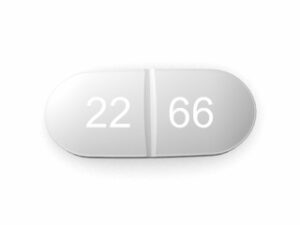
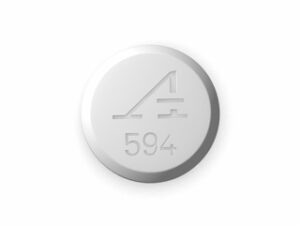
| Available Forms and Strengths | Tablets: 2 mg, 4 mg |
| Manufacturers | Novartis, various generic manufacturers (Australia-registered) |
| Prescription Status (Australia) | Prescription Only Medicine (Schedule 4, S4) |
Mechanism of Action
For Patients:Tizanidine works by relaxing certain muscles in your body. It acts on your central nervous system (mainly the brain and spinal cord) to help reduce muscle spasms, stiffness, and tightness. This makes movements easier and helps control discomfort caused by spasticity from conditions like multiple sclerosis and spinal injuries.
For Specialists:Tizanidine is a centrally acting α2-adrenergic agonist that inhibits presynaptic motor neurons in the spinal cord. This action decreases the facilitation of spinal motor nerves, thereby reducing muscle tone and frequency of spasms.
Pharmacokinetics
- Absorption: Rapidly absorbed after oral administration, peak plasma concentrations reached within 1–2 hours.
- Metabolism: Extensively metabolised by hepatic CYP1A2 isoenzyme.
- Elimination: Elimination half-life is approximately 2–4 hours; excreted mainly via urine (renal excretion).
- Duration of Action: Short, usually 3–6 hours.
Use in Everyday Life and Best Practices
- Typical Conditions Treated: Spasticity associated with multiple sclerosis, spinal cord injury, and other neurological disorders.
- How to Use: Usually taken by mouth with a glass of water.
- Typical Dosing: Commence with low dose (2 mg) and increase slowly as directed by your doctor, usually up to 24 mg daily (split into 2–4 doses).
- English Context: Tizanidine is reserved for cases where physical therapy alone doesn’t provide enough relief. It’s commonly prescribed by a neurologist or rehabilitation specialist in Australia.
Dosing in the Morning vs Evening
- Morning Doses: May help manage stiffness and spasms that interfere with daytime activities—but can cause drowsiness or dizziness, so caution is advised, especially before driving or using machinery.
- Evening Doses: Taking the main dose in the evening can reduce disruption to daily activities and help minimise daytime drowsiness. It also helps with night-time spasticity.
- Best Practice: Take Tizanidine at the same times each day to maintain consistent effects. Your doctor may adjust the schedule to suit your personal routine and symptom pattern.
Taking With Food or on an Empty Stomach
- Tizanidine can be taken with or without food, but food (especially high-fat meals) increases absorption and blood levels. This may increase drowsiness or low blood pressure risk.
- For a typical Australian diet, try to take your dose the same way each time (with or without food) to keep blood levels stable.
- If you change your habits (from fasting to taking with food or vice versa), notify your doctor due to potential changes in effectiveness or side effect risk.
Interaction Warnings
| Type | Interaction | Recommendations |
|---|---|---|
| Food | High-fat meals raise absorption and side effect risk | Keep meal pattern consistent when dosing; ask your pharmacist for tailored advice |
| Alcohol | Increases risk of drowsiness, dizziness, low blood pressure | Avoid or limit alcohol; consult your doctor before drinking |
| Medications (e.g., fluvoxamine, ciprofloxacin) | Block Tizanidine breakdown, causing higher blood levels and severe side effects | Never take together; inform your doctor of all medicines you take |
| Other CNS depressants (sleeping pills, sedatives) | Additive sedation, drowsiness, breathing difficulty | Notify your doctor; dose adjustments or monitoring may be needed |
| Blood pressure medicine | Risk of excessive drop in blood pressure | Monitor for dizziness or fainting; dose changes may be required |
| Oral contraceptives | May increase Tizanidine levels slightly | Report unusual side effects; routine use generally safe |
Indications
| Indication | Status (Australia) | Notes |
|---|---|---|
| Spasticity linked to MS, spinal cord injury, or brain injury | Approved | Primary approved use |
| Chronic musculoskeletal pain with muscle spasm | Off-label | May be prescribed after other treatments fail |
| Other neurological conditions with spasticity | Off-label | Specialist advice required |
Dosing According to Clinical Indications (Adults, Paediatric, Elderly)
| Patient Group | Initial Dose | Maximum Dose | Notes |
|---|---|---|---|
| Adults | 2 mg up to 3 times daily | 24 mg per day (split in doses) | Adjust in 2–4 mg steps at 3–4 day intervals |
| Elderly (>65 years) | 2 mg once or twice daily | Less than 24 mg/day (monitor for side effects) | Start low, go slow; higher sensitivity to adverse effects |
| Children | Not routinely recommended (limited evidence) | Individual specialist assessment | Paediatric use is rare and specialist-only |
| Renal or Liver Impairment | Lowest possible starting dose (e.g., 2 mg once daily) | Lower than standard max; dose titrated very slowly | Frequent monitoring required |
Safety Profile & Side Effects
| Frequency | Side Effect | Advice/Precautions |
|---|---|---|
| Common | Drowsiness, dizziness, dry mouth, weakness, tiredness, blurred vision | Do not drive or operate machinery if affected |
| Common | Low blood pressure (hypotension), slow heart rate | Stand up slowly; report fainting spells |
| Less common | Gastrointestinal upset (nausea, abdominal pain) | Usually mild and short-term |
| Rare | Liver function changes | Regular liver function tests recommended |
| Rare | Allergic reactions (rash, swelling, breathing difficulty) | Seek emergency medical help |
| Upon sudden discontinuation | Rapid heart rate, high blood pressure, tremor, anxiety | Never stop suddenly; dosage must be tapered |
Guidelines for Proper Use: Australian Pharmacy & Clinic Advice
- Take your medicine exactly as prescribed by your doctor. Do not alter the dose or frequency without consulting your GP or specialist.
- Be aware that Tizanidine may make you sleepy or dizzy. Don’t drive, cycle, or use machinery until you know how it affects you.
- If you miss a dose, take it as soon as you remember. If it’s almost time for your next dose, skip the missed dose—don't double up.
- Store your medicine below 25°C. Protect from moisture and light—typical for most English homes and environments.
- If you are planning a new long-distance journey (e.g., across Australia), pack your medicines in original packaging with your prescription.
- Keep regular reviews with your doctor, especially if your symptoms change or you notice side effects.
- Never stop Tizanidine abruptly due to withdrawal risk—always consult your doctor about tapering off.
Alternative Treatment Options (PBS-Reimbursed in Australia): Overview
- Baclofen – Most commonly prescribed muscle relaxant for spasticity; works differently but with similar effect. Can cause drowsiness or muscle weakness.
- Diazepam – Benzodiazepine class; effective but more sedating and risk for dependence with prolonged use.
- Botulinum toxin injections – Used in focal spasticity; less systemic side effects, but requires clinic visits.
- Physical therapy – A cornerstone of spasticity management; improves mobility and function without medication side effects.
Tizanidine is sometimes chosen when other options are less effective or not tolerated. Your specialist will recommend the most suitable medication for you based on your condition, personal preferences, and side effect profile.
Legal, Registration, and Reimbursement Status in Australia
- Prescription Only Medicine (Schedule 4) – Doctor’s prescription required.
- Therapeutic Goods Administration (TGA) – Tizanidine is a TGA-approved medicine with regulation over its quality, safety, and efficacy in Australia.
- Pharmaceutical Benefits Scheme (PBS) Reimbursement: Limited subsidisation; check with your pharmacist for specific PBS listing by indication and brand.
- Only available at Australia pharmacies under prescription; keep in original packaging with clear labelling.
Latest Research & Clinical Guidance (2022–2025)
- Australian and international guidelines (e.g., MS Australia 2023, NICE UK 2024) continue to recommend Tizanidine as a second-line agent for spasticity, especially if baclofen is not tolerated, due to its short duration and lower risk of sustained muscle weakness.
- Recent studies (Clin Rehabil, 2023) support individualised dosing, careful titration, and regular monitoring of liver function, especially in elderly or those with existing health problems.
- Research suggests benefits in tailored, short-term use (<12 months) as part of a broader rehabilitation strategy, with regular review for ongoing need and possible switch to long-acting or alternative therapies.
- Australian guidelines recommend considering patient-specific risks (e.g., falls, polypharmacy), and emphasise shared decision-making.
Availability & Delivery in Australia
| Pack Size | Form/Strength | Indicative Price (AUD) | Estimated Delivery to Major Cities |
|---|---|---|---|
| 30 tablets | 2 mg | $15–$25 | Sydney: 1 day Melbourne: 1 day Brisbane: 2 days Perth: 3 days |
| 30 tablets | 4 mg | $22–$35 | Sydney: 1 day Melbourne: 1 day Brisbane: 2 days Perth: 3 days |
Delivery times are estimated for pharmacy-to-door service via registered mail or courier, subject to stock availability and prescription verification.
Frequently Asked Questions (FAQ)
1. Can I drive while taking Tizanidine?No — until you know how the medicine affects you. Tizanidine can cause drowsiness and dizziness. Wait until you are sure it’s safe before driving or using machinery.
2. What should I do if I miss a dose?Take the missed dose as soon as you remember, but if it’s nearly time for your next dose, skip it. Do not double the dose to catch up.
3. Is it safe to drink alcohol while using Tizanidine?Alcohol greatly increases the drowsy and dizzy effects of Tizanidine, raising your risk for falls or accidents. It’s best to avoid alcohol, or consult your doctor for personalised advice.
4. Can I stop Tizanidine suddenly?No. Stopping suddenly can lead to unpleasant withdrawal symptoms like rapid heartbeat, high blood pressure, and anxiety. Always taper off gradually under your doctor’s supervision.
5. How long can I safely stay on Tizanidine?Tizanidine is usually used for short- to medium-term management of spasticity. Your doctor will periodically review your therapy and may recommend stopping or changing treatment based on your progress and any side effects.