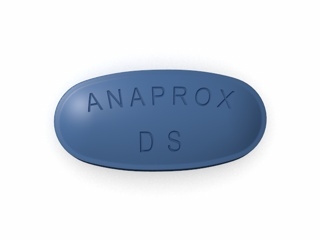
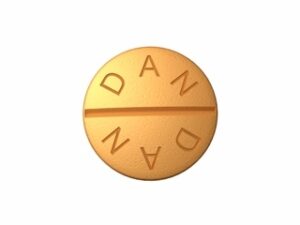
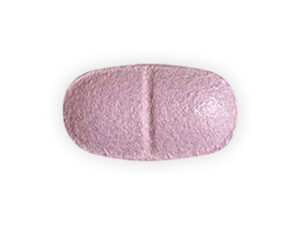
Anaprox (Naproxen) – Patient Information for Australia
Basic Product Information
| International Nonproprietary Name (INN): | Naproxen |
| Common Australia Brand Names: | Anaprox, Naprosyn, Naprogesic, Aleve (limited), Naproxen Sandoz, APO-Naproxen |
| ATC Code: | M01AE02 |
| Available Forms & Strengths: | Tablets (250 mg, 375 mg, 500 mg), Enteric-coated tablets (250 mg, 500 mg), Suspension (125 mg/5 mL) |
| Manufacturers: | Viatris, Aspen Pharmacare, Sandoz, Apotex, Sanofi, others |
| Prescription Status: | Pharmacy-Only (lower doses, short supply); Prescription Required (higher doses, chronic use) |
Mechanism of Action
For Patients: Naproxen is a medicine that reduces pain and inflammation. It works by blocking substances in your body called prostaglandins that cause swelling, pain, and fever. This makes it helpful for conditions like arthritis, muscle pain, period pain, and back pain.
For Specialists: Naproxen is a non-steroidal anti-inflammatory drug (NSAID) that inhibits prostaglandin synthesis by non-selective, reversible inhibition of cyclooxygenase enzymes (COX-1 and COX-2). This results in analgesic, anti-inflammatory, and antipyretic effects.
Pharmacokinetics
- Absorption: Rapid and nearly complete (95% bioavailability); peak plasma concentrations reached within 2–4 hours (tablets).
- Distribution: Highly protein bound (~99%).
- Metabolism: Extensively hepatic (CYP enzymes) to inactive metabolites.
- Elimination: Mainly via kidneys; elimination half-life ~12–17 hours.
- Duration of Action: Can last 8–12 hours per dose, allowing twice-daily dosing for chronic conditions.
Use in Everyday Life and Best Practices
Naproxen is commonly prescribed, or recommended by pharmacists, for various types of pain or inflammation. It is well-suited for people living in Australia who may use it for:
- Osteoarthritis, rheumatoid arthritis, and other musculoskeletal disorders
- Acute musculoskeletal pain (e.g., back pain, sports injuries)
- Primary dysmenorrhoea (period pain)
- Migraine headache (as directed by your doctor)
- Gout attacks
Typical Adult Doses:
- Short-term pain: 250–500 mg twice daily as needed.
- Arthritis (long-term use): 500 mg to 1,000 mg in 2 divided doses, adjusted to the lowest effective dose.
- Always swallow tablets whole with a glass of water.
- Take at the same time each day for regular use—consistency improves pain control and reduces stomach upset.
- Do not exceed prescribed dose; avoid taking with other NSAIDs (e.g., ibuprofen, aspirin) unless directed by your healthcare provider.
Dosing in the Morning vs Evening
Advantages of Morning Dosing: Taking naproxen in the morning may help manage pain and stiffness through the day, especially for people with arthritis or active lifestyles.
Advantages of Evening Dosing: Evening doses can reduce nighttime pain and improve sleep quality for those with joint or back pain overnight.
Tips: If prescribed twice daily, try to space doses 10–12 hours apart for best effect. Take at regular intervals to maintain steady relief.
Taking with Food or on an Empty Stomach
Naproxen may be taken with or after food to reduce the risk of stomach upset (nausea, indigestion, ulcers). Meals common in Australia—including breakfast cereals, sandwiches, and light evening meals—are suitable. Avoid taking naproxen immediately before heavy meals if you have a history of heartburn.
Tip: Always take with a full glass of water, and if you experience stomach problems, pair with a small meal such as toast or fruit.
Interaction Warnings
| Interaction | What to Watch For |
|---|---|
| Food | Food slows absorption, but helps reduce gastric irritation. OK with meals. |
| Alcohol | Increases risk of stomach irritation/ulceration and bleeding. Minimise or avoid. |
| Other NSAIDs (e.g. ibuprofen, aspirin) | Increased risk of gastritis and bleeding. Do not combine unless prescribed. |
| Anticoagulants (e.g. warfarin, apixaban) | Serious bleeding risk. Specialist monitoring needed. |
| SSRIs/SNRIs (antidepressants) | Raised risk of gastric bleeding. |
| ACE inhibitors/ARBs, diuretics | Potential for reduced kidney function. |
| Lithium, methotrexate | Plasma levels may increase; toxicity possible—specialist advice required. |
| Corticosteroids | Increased risk of stomach ulcers; monitor closely. |
Indications – When Is Anaprox Used?
| Official (TGA-approved) Uses | Off-label Uses |
|---|---|
|
|
Dosing According to Clinical Indication
| Condition | Adults | Pediatric | Elderly |
|---|---|---|---|
| Osteoarthritis/Rheumatoid arthritis | 500–1,000 mg/day in 2 divided doses | 10 mg/kg/day in 2 doses (age ≥5 years; specialist supervision) | Start at lower end of dose range; monitor kidney/stomach risk |
| Acute pain/soft-tissue injury | 500 mg initially, then 250 mg every 6–8 hours (max 1,250 mg first day) | Not routinely recommended | As per adult, but lower dose and monitor closely |
| Primary dysmenorrhoea | 500 mg initially, then 250 mg every 6–8 hours as needed | Not routinely recommended | Specialist advice |
| Acute gout | 750 mg initially, then 250 mg every 8 hours until attack subsides | Not routinely recommended | Lower doses advisable |
Note: Always use the lowest effective dose for the shortest possible duration.
Safety Profile and Side Effects
| Common Side Effects | Rare/Serious Risks | Warnings |
|---|---|---|
|
|
|
Guidelines for Proper Use (Australia)
- Take exactly as prescribed; do not exceed the recommended dose.
- If you miss a dose, skip it if close to the next scheduled dose—do not double up.
- Check with your pharmacist before combining with any other painkillers or supplements.
- Inform your doctor if you develop stomach pain, black stool, chest pain, shortness of breath, or swelling.
- Store below 25°C in a dry place, away from children.
- Seek regular review if you require long-term naproxen, especially for blood count and kidney function monitoring.
- If purchasing over-the-counter, inform your pharmacist of any other medicines or health conditions.
- Avoid alcohol use where possible to reduce stomach risk.
Alternative Treatment Options
- Paracetamol (Panadol, Herron): Lower GI risk, suitable for mild-moderate pain; not ideal for inflammation.
- Ibuprofen: Similar anti-inflammatory action, shorter duration; OTC in low doses.
- Diclofenac (Voltaren): Potent, may increase cardiovascular risk with long use.
- Celecoxib: COX-2 specific inhibitor, potentially less stomach risk but not suitable for all.
- Physical therapies: Physiotherapy, heat/cold packs, and exercise for musculoskeletal pain.
- Other Medicines: For specific situations (e.g., codeine [prescription only], colchicine for gout under specialist care).
- Australian PBS coverage: Many NSAIDs, including naproxen, are reimbursed under the Pharmaceutical Benefits Scheme (PBS) for approved uses.
Legal, Registration & Reimbursement Status in Australia
- Registered with: Therapeutic Goods Administration (TGA), Australian Register of Therapeutic Goods (ARTG)
- Legal Status:
- Pharmacy-only (S2) at low doses and short supply (e.g., 275 mg packs for period pain)
- Prescription-only (S4) for higher strengths/chronic use
- Reimbursement: Covered by the PBS when prescribed for approved indications; consult your pharmacist for PBS extension or concession
Latest Research and Clinical Guidance (2022–2025)
Recent English and international clinical guidelines (NICE, RACGP, TGA) recommend naproxen as a first-line NSAID due to its lower cardiovascular risk compared to some other agents like diclofenac. Studies (e.g., BMJ 2023; NICE CKS 2024) confirm naproxen’s superior safety for long-term arthritis care and menstrual pain, especially when used at the lowest effective dose and with regular gastric protection in at-risk patients.
References:
- NICE Clinical Knowledge Summaries: NSAIDs – prescribing issues (2024).
- Royal Australian College of General Practitioners (RACGP): Analgesics in musculoskeletal pain, 2023.
- Therapeutic Guidelines Australia: Rheumatology, 2023-2024.
- BMJ 2023; 382: n909 - Comparative NSAID safety analysis.
Availability and Delivery
| Pack Size | Usual Price (AUD) | Typical Delivery Time (Metro Areas) |
|---|---|---|
| 30 tablets (250 mg) | $7–$15 | 1–2 business days (Sydney, Melbourne, Brisbane), 2–4 days (Adelaide, Perth, Hobart) |
| 60 tablets (500 mg) | $12–$25 | 1–2 business days (metro), 2–5 days (regional areas) |
| Oral suspension (125 mg/5 mL, 100 mL) | $14–$22 | 2–4 business days Australia-wide (delays in rural areas possible) |
Note: Delivery times depend on location, stock, and public holidays. Most pharmacies offer click-and-collect and home delivery.
FAQ – Common Patient Questions
- Can I take naproxen long-term for arthritis?
Naproxen is commonly prescribed for long-term use in arthritis, but should only be taken under medical supervision. Long-term use may increase the risk of stomach or kidney issues; your GP may recommend regular blood tests and periodic review. - Is it safe to drink alcohol while taking naproxen?
It is best to avoid or minimise alcohol while taking naproxen, as the combination increases the risk of stomach bleeding or ulcers. - What should I do if I miss a dose?
Take the missed dose as soon as you remember, unless it's nearly time for your next dose. Do not double up; skip and continue with your regular schedule. - Can I take naproxen with paracetamol?
Yes, you may take naproxen and paracetamol together for increased pain relief; however, do not take naproxen with other NSAIDs or aspirin unless your doctor advises. - Are there foods I should avoid while on naproxen?
No special diet is needed, but take naproxen with food or milk to reduce stomach upset. Maintain a healthy, balanced English/Australian diet.
This information is provided as a general guide only and does not replace advice from your doctor or pharmacist. Always read the consumer medicine information (CMI) and consult your healthcare provider for personalised advice.