Colcrys (Colchicine): Patient Guide for Australia
Basic Product Information
| International Non-proprietary Name (INN) | Colchicine |
|---|---|
| Australia Brand Names | Colcrys, Colgout, Lengout |
| ATC Code | M04AC01 |
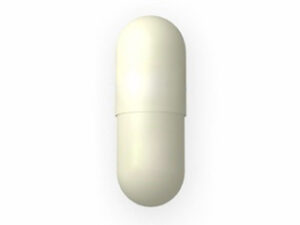
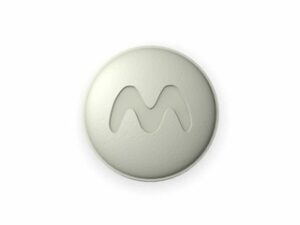
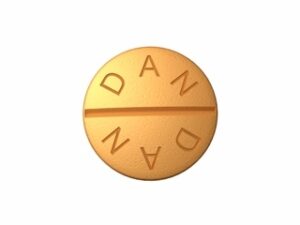
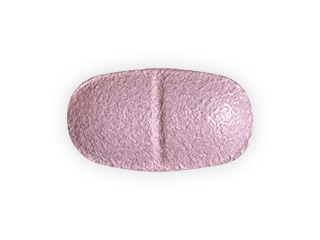
| Available Forms & Strengths | Tablets: 500 micrograms (0.5mg), 1mg |
| Manufacturers | Amgen Australia, Aspen Pharmacare, Sandoz, and various generic suppliers |
| Prescription Status | S4 (Prescription Only Medicine in Australia) |
Mechanism of Action
For Patients: Colchicine helps to reduce swelling and relieve pain in conditions such as gout by preventing white blood cells from moving into swollen areas. This reduces the inflammation and discomfort associated with sudden attacks.
For Healthcare Professionals: Colchicine specifically disrupts microtubule polymerisation, impairing the activation and migration of neutrophils to sites of inflammation. It modulates the inflammasome complex, reducing the production of inflammatory cytokines, especially interleukin-1β.
Pharmacokinetics
- Absorption: Rapid and well-absorbed after oral administration; peak plasma concentrations within 1–2 hours.
- Distribution: Extensive, with highest concentrations in leukocytes, kidneys, spleen, and liver.
- Metabolism: Primarily hepatic (liver metabolism) by CYP3A4 and partly by P-glycoprotein transport systems.
- Elimination: Excreted mostly via urine (renal) and faeces; elimination half-life ~26–31 hours.
- Duration of Action: Symptoms often begin to improve within 12–24 hours of dosing; maximum effect may take 48–72 hours.
Everyday Use and Best Practices
- Typical Doses: For acute gout: 1 tablet (500mcg) at first sign, then 500mcg every 6–12 hours until symptoms improve (max 1.5mg/day).
- Other Uses: Used in low doses to prevent repeat gout attacks or for conditions such as familial Mediterranean fever (FMF).
- Practical Tips: Take at the first sign of a flare-up. To avoid stomach upset, swallow whole with water. Stay within prescribed doses. Keep tablets out of reach of children.
- For English Context: Colchicine is often used by those with a history of gout, especially if recommended dietary changes (such as reducing intake of purine-rich foods like red meats and beer) have not completely controlled symptoms.
Morning vs Evening Dosing
- Morning Dosing: May decrease risk of overnight gout flares, aligns with daily routines, easier to remember with other morning medicines.
- Evening Dosing: Can be helpful if flares tend to start overnight. May be less likely to cause daytime digestive discomfort for sensitive patients.
- Key Tips: Aim for consistency—take at the same time each day. Discuss preferences with your GP or pharmacist.
Taking with Food or on an Empty Stomach
- Colchicine can be taken with or without food. Food may help reduce stomach upsets, a common side effect.
- Traditional English/Australian diets (including dairy, grains, vegetables, and lean meats) can be continued while on colchicine. Try to avoid excess alcohol and purine-rich foods (lamb, beef, offal, shellfish), which can worsen gout attacks.
- If you experience nausea, take the tablet with milk or after a light meal.
Interaction Warnings
| Substance/Class | Interaction | Advice |
|---|---|---|
| Macrolide antibiotics (e.g., clarithromycin) | Increased colchicine levels; risk of toxicity | Avoid combination or seek doctor’s advice |
| Grapefruit & juice | May raise colchicine in blood | Best avoided while on colchicine |
| Statins & fibrates | Increased risk of muscle damage (myopathy) | Consult your GP or pharmacist |
| Alcohol | May trigger gout attacks; increases gastrointestinal irritation | Limit or avoid |
| Cyclosporine or tacrolimus | High risk of toxicity | Use only under specialist advice |
| Azole antifungals (e.g., ketoconazole) | May raise colchicine levels | Monitor closely or alter dose |
Indications
| Indication | Status | Notes |
|---|---|---|
| Gout (acute attack) | Approved | For rapid relief of pain and swelling |
| Gout (prophylaxis/prevention) | Approved | Often used with urate-lowering therapy |
| Familial Mediterranean fever (FMF) | Approved | Reduces severity of attacks in genetic cases |
| Pericarditis | Off-label | Some guidelines recommend for recurrent or acute cases |
| Behçet’s disease, other autoinflammatory disorders | Off-label | Used in specialist practice |
Dosing by Indication
| Indication | Adults | Paediatric (12+) | Elderly/Impaired Renal Function |
|---|---|---|---|
| Acute Gout Flare | 500mcg initially, then 500mcg every 6-12hrs until relief, max 1.5mg/24hrs | 500mcg every 8–12hrs; specialist advice required | Start at lowest dose; reduce frequency, max 1mg/24hrs |
| Gout Prophylaxis | 500mcg once or twice daily | 250–500mcg/day, max 500mcg twice daily | Reduce to 500mcg once daily or alternate days |
| FMF | 500mcg–2mg daily (in divided doses) | 15–30mcg/kg/day in divided doses | Lower initial doses, slow titration |
| Other | Specialist-guided; varies by condition | Specialist advice | Specialist advice |
Safety Profile & Side Effects
- Common Side Effects:
- Gastrointestinal disturbance (nausea, vomiting, diarrhoea, abdominal pain)
- Headaches
- Fatigue
- Uncommon/Rare (may need urgent attention):
- Severe diarrhoea or vomiting leading to dehydration
- Muscle pain or weakness (possible myopathy)
- Unexplained bleeding, bruising, sore throat (possible bone marrow suppression)
- Allergic reactions (skin rash, face or mouth swelling, difficulty breathing)
- Warnings:
- High risk of toxicity in elderly or those with kidney/liver impairment
- Dangerous in overdose: always keep well out of children’s reach
- Inform all healthcare providers about your colchicine use before starting new medicines
- Pregnant, planning pregnancy, or breastfeeding? Ask your doctor for advice before use
Guidelines for Proper Use
- Always take colchicine exactly as prescribed. Do not take extra doses if you miss one—overdose can be life-threatening.
- For best results in acute gout, take the first dose at the very first sign of a flare.
- Avoid grapefruit and grapefruit juice during treatment.
- If vomiting or diarrhoea are severe or persistent, stop medicine and contact your doctor or nearest ED.
- Let your GP or pharmacist know about all supplements, other medicines, and any allergies you may have.
- Store below 25°C, in a dry place, away from heat and direct sunlight.
- Do not share your medication—colchicine must be tailored to your individual situation and dosing.
Alternative Treatment Options
- NSAIDs: Ibuprofen, naproxen (first-line for many gout attacks; require caution in those with stomach, kidney, or heart issues; available as PBS reimbursed medicines).
- Corticosteroids: Prednisolone/prednisone (tablet or injection; used when NSAIDs and colchicine unsuitable; also reimbursed).
- Urate-lowering therapies: Allopurinol or febuxostat for long-term management and prevention of flares; not for acute attack relief, but essential in recurrent disease.
- Comparison: Colchicine has a unique anti-inflammatory pathway and is often used when NSAIDs or steroids are contraindicated or poorly tolerated; however, risk of gastrointestinal and rare serious toxicity must be managed.
Legal, Registration, and Reimbursement Status in Australia
- Legal Category: Schedule 4 (Prescription Only); pharmacist dispensing requires a valid prescription.
- Approval: Registered for use by the Therapeutic Goods Administration (TGA).
- Reimbursement: Available on the Pharmaceutical Benefits Scheme (PBS) for gout (acute and prevention) and FMF; regular co-payments apply for concession and general Australian patients.
- Prescribing: GPs, rheumatologists, and relevant specialists; repeat scripts may be allowed depending on indication.
Latest Research and Clinical Guidance (2022–2025)
- Gout Management: The 2023 Australian Rheumatology Association guideline reaffirms colchicine’s place in acute flare management and as short-term prevention with urate-lowering therapies. Small dosing regimens (500mcg every 8–12hrs) are as effective as older, higher doses with fewer side effects.
- COVID-19 & Inflammation: Recent international trials (e.g., COLCORONA, 2022) have not supported routine colchicine use in COVID-19 outside clinical trials.
- Cardiology: 2024 ESC Guidelines mention colchicine for recurrent pericarditis, but off-label. Emerging data for atherosclerosis remains investigational (see Nidorf SM et al., NEJM 2023).
- Special Populations: Elderly and renally impaired patients should be dosed cautiously, with regular review (Arthritis Australia Consensus Statement 2023).
Availability and Delivery
| Pack Sizes | Indicative PBS Price (June 2024) | Estimated Home Delivery |
|---|---|---|
| 30 tablets (500mcg) | $14.30 (General); $7.70 (Concession) | Metro: 1–2 business days Regional: 2–4 days Remote: 3–7 days |
| 60 tablets (500mcg) | $21.00 (General); $10.40 (Concession) | Similar as above; tracking provided |
Frequently Asked Questions (FAQ)
- Can I drive or operate machinery while taking colchicine?
Most people can, but if you feel dizzy or very unwell, avoid driving or hazardous activities. Always see how you react to the medicine first. - What should I do if I forget a dose?
Take it as soon as you remember, unless it is nearly time for your next dose. Never double up to make up for a missed dose. - Are there food or drink restrictions?
Avoid grapefruit products and excessive alcohol. Maintain a healthy, balanced English/Australian diet with limited intake of high-purine foods. - How long should I stay on colchicine?
Your doctor will decide. For acute attacks, typically a few days. For gout prevention, sometimes several months with regular reviews. - Is colchicine safe in pregnancy or breastfeeding?
Discuss thoroughly with your doctor. It can be harmful if not closely supervised; alternative treatments may be safer depending on your situation.