Mobic (Meloxicam): Patient-Friendly Guide for Australian Patients
Basic Product Information
| International Nonproprietary Name (INN) | Meloxicam |
|---|---|
| Australia Brand Names | Mobic® (Boehringer Ingelheim), Meloxicam Sandoz®, APO-Meloxicam®, others |
| ATC Code | M01AC06 |
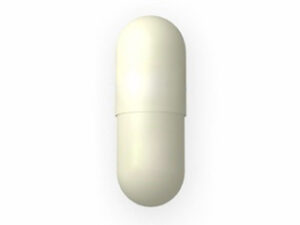
| Available Forms & Strengths | Tablets: 7.5mg, 15mg Oral solution: 1.5mg/mL (in some brands) Suppositories (some brands, less common) |
| Manufacturers | Boehringer Ingelheim, Sandoz, Apotex, others |
| Prescription Status | Prescription Only Medicine (Schedule 4, S4) |
How Mobic (Meloxicam) Works
Mobic belongs to a group of medicines known as nonsteroidal anti-inflammatory drugs (NSAIDs). It is commonly prescribed to alleviate pain and inflammation caused by musculoskeletal conditions.
- For patients: Meloxicam helps reduce swelling, pain, and stiffness in joints and muscles by dampening the body’s “inflammatory chemicals.”
- For specialists: Meloxicam selectively inhibits the cyclo-oxygenase-2 (COX-2) enzyme, limiting prostaglandin synthesis. While it also affects COX-1 to a lesser extent, it is considered COX-2 preferential, resulting in a lower risk of stomach ulcers compared to traditional NSAIDs such as diclofenac or ibuprofen.
Pharmacokinetics: Absorption, Metabolism, Elimination, Duration of Action
- Absorption: Well-absorbed from the gastrointestinal tract, with peak blood concentrations reached in 5–6 hours after oral use.
- Metabolism: Mainly processed in the liver by cytochrome P450 enzymes (especially CYP2C9 and CYP3A4) and subsequently conjugated to inactive metabolites.
- Elimination: Excreted via urine and faeces (about equally—50:50).
- Duration of Action: Long half-life (~20 hours), allowing for once-daily dosing.
Everyday Use and Best Practices in Australia
Mobic is typically prescribed for adults suffering from osteoarthritis, rheumatoid arthritis, or ankylosing spondylitis. Reliable treatment outcomes depend on following your doctor’s instructions and using the medicine regularly.
- Typical Starting Dose: 7.5 mg once daily. Your doctor may increase this to 15 mg once daily based on your individual response and needs.
- Maximum Approved Dose: 15 mg per day.
- How to Take: Take Mobic at the same time each day, with water, and preferably with or after food to reduce gastrointestinal side effects.
- Do not exceed the prescribed dose.
- Do not use more than one type of NSAID at the same time.
Dosing: Morning vs Evening
- Morning use: May better control pain and stiffness throughout the day and allows you to monitor side effects. Particularly useful for people with “morning stiffness.”
- Evening use: Sometimes recommended if night-time discomfort disrupts sleep. However, some people may be less able to notice side effects overnight.
- Best practice: Consistency is key — take at the same time each day to maintain effective levels in your body. Ask your doctor for advice based on your symptoms and daily routine.
Taking Mobic with Food or on an Empty Stomach
Mobic can be taken with or without food. However, taking the medicine with or after meals is generally encouraged to help minimise the risk of stomach upset — an important consideration for the Australian diet, which commonly includes high-fibre grains, fruits, and dairy. Avoid taking Mobic after a large, fatty meal as this may slightly delay absorption without affecting the overall effect.
Interaction Warnings
| Type | Example | Recommendation |
|---|---|---|
| Food | None significant; high-fat meals may delay effect | Take with a light meal for comfort |
| Alcohol | Beer, wine, spirits | Limit intake; alcohol increases risk of stomach bleeding |
| Other Medicines | Other NSAIDs, aspirin | Avoid combining unless advised by your doctor |
| Blood pressure medication | ACE inhibitors, ARBs, diuretics | Monitor blood pressure; increased risk of kidney effects |
| Anticoagulants | Warfarin, apixaban | Risk of bleeding — inform your doctor |
| SSRIs/antidepressants | Sertraline, fluoxetine | Increased gastrointestinal risk; exercise caution |
| Other | Lithium, methotrexate, ciclosporin | Potential toxicity — close medical supervision required |
Indications for Use
| Condition | Australian Registration | Comments |
|---|---|---|
| Osteoarthritis | Approved | Pain and inflammation management in adults |
| Rheumatoid arthritis | Approved | Short- and long-term control of arthritis symptoms |
| Ankylosing spondylitis | Approved | Chronic lower back pain and stiffness |
| Pain syndromes (off-label) | Occasionally used | May be considered for non-arthritic pain; specialist advice recommended |
Dosing According to Indication and Patient Groups
| Indication / Age Group | Initial Dose | Usual Dose Range | Maximum Dose | Comments |
|---|---|---|---|---|
| Osteoarthritis / Adult | 7.5 mg daily | 7.5–15 mg daily | 15 mg daily | Lowest effective dose advised |
| Rheumatoid arthritis / Adult | 7.5 mg daily | 7.5–15 mg daily | 15 mg daily | Long-term use: regular monitoring |
| Ankylosing spondylitis / Adult | 7.5 mg daily | 7.5–15 mg daily | 15 mg daily | Consult your rheumatologist |
| Pediatric (over 16 years) | Only under specialist advice | Variable | 15 mg daily | Not routinely recommended in children |
| Elderly (> 65 years) | 7.5 mg daily | 7.5 mg daily; titrate with caution | 15 mg daily (rare) | Use the lowest effective dose; higher risk of side effects |
| Severe renal/hepatic impairment | Contraindicated; do not use | |||
Safety Profile and Possible Side Effects
- Common Side Effects:
- Indigestion, reflux, stomach pain
- Headache, dizziness
- Fluid retention, swelling of ankles/feet
- Rash or mild skin reactions
- Less Common / Serious Side Effects:
- Stomach or bowel ulcers or bleeding
- Raised blood pressure
- Changes in kidney or liver function
- Allergic reactions (swelling of face, lips, tongue, or breathing difficulties – seek emergency help immediately)
- Severe skin reactions (rare)
- Warnings:
- Not suitable in pregnancy and breastfeeding (unless prescribed by a specialist)
- Long-term use: Your doctor will recommend regular blood and urine tests to check kidney/liver health and blood counts
- Not recommended in patients with active peptic ulcers, severe heart failure, severe kidney or liver disease
Guidelines for Proper Use (Australian Context)
- Always take Mobic as instructed by your doctor or pharmacist.
- Do not share your medication with others, even if they have similar symptoms.
- Check your supply before public holidays, especially if living in rural or remote Australia – arrange repeats or delivery in advance.
- If you miss a dose, take it as soon as you remember on the same day. If it’s almost time for your next dose, skip the missed dose – do not double up.
- Seek advice if you feel unwell, experience stomach pain, black stools, difficulty breathing, or swelling after starting Mobic.
- Tell every healthcare provider you are taking Mobic, especially before surgery or dental work.
- Store below 25°C in a dry place – do not use past the expiry date.
- Dispose of unused tablets responsibly (return them to a pharmacy).
- Keep out of reach of children and pets.
Alternative Treatment Options
- Other NSAIDs: Ibuprofen, naproxen, diclofenac (available in various strengths and forms, some over-the-counter for short-term use)
- COX-2 inhibitors: Celecoxib (Prescribed for similar indications, sometimes with lower risk of gastrointestinal side effects, but also with cardiovascular warnings)
- Paracetamol: First-line for mild pain, osteoarthritis (usually with fewer side effects than NSAIDs, but less effective for moderate-severe inflammation)
- Topical NSAIDs: Diclofenac gel or patches – fewer systemic risks, suitable for localised pain
- Opioid analgesics: Reserved for severe pain or where NSAIDs are unsuitable (strict legal regulations, risk of dependence)
- Non-drug therapies: Physiotherapy, heat/cold packs, weight management, exercise, and occupational therapy are strongly recommended as part of a holistic approach to arthritis and pain management in Australia.
Legal, Registration, and Reimbursement in Australia
| Entity / Status | Details |
|---|---|
| Therapeutic Goods Administration (TGA) | Registered prescription medicine |
| Pharmaceutical Benefits Scheme (PBS) | Reimbursed (with restrictions and approved indications) |
| Product Schedule | Schedule 4 (S4) — Prescription Only |
| Legal Dispensing | Pharmacist and/or medical practitioner prescription required |
Latest Research and Clinical Guidance (2022–2025)
- The Australian Therapeutic Guidelines: Rheumatology (2023 update) continue to support meloxicam as a suitable option for osteoarthritis and rheumatoid arthritis when NSAIDs are indicated and paracetamol is insufficient.
- NHMRC-endorsed reviews highlight the importance of using the lowest effective dose to limit side effects, especially cardiovascular and gastrointestinal risks.
- Recent studies (e.g., Annals of the Rheumatic Diseases, 2023; Cochrane Review, 2024) confirm that meloxicam provides comparable efficacy to other NSAIDs, with its COX-2 selectivity offering some reduction in gastrointestinal side effects, although not completely risk-free.
- Safety monitoring (renal, liver, cardiovascular) is emphasised, especially in elderly Australians or those with multiple health conditions.
Availability, Popular Pack Sizes, and Delivery within Australia
| Pack Size (Tablets) | Indicative PBS Price* | Private Price Range* |
|---|---|---|
| 10 (starter pack) | $8.30–$10.50 | $12–$18 |
| 30 | $15.20–$17.80 | $23–$30 |
| 90 (maintenance pack) | $37.60–$41.20 | $67–$85 |
*As of mid-2024. Actual prices may vary between pharmacies and for concession card holders.
| Delivery Location | Typical Standard Delivery Time | Click-and-Collect / Express |
|---|---|---|
| Sydney, Melbourne, Brisbane | 1–2 business days | Same day / 1 day |
| Adelaide, Canberra, Hobart | 2–3 business days | 1–2 days |
| Darwin, Perth, regional areas | 3–6 business days | 2–3 days |
| Remote/rural Australia | 4–10 business days (check with local pharmacy) | Express not always available |
Frequently Asked Questions (FAQ)
- Can I use Mobic as a long-term pain reliever?
Mobic can be used long-term under medical supervision. Regular monitoring of kidney, liver, and cardiovascular health is essential to minimise risks. - Is Mobic safe in pregnancy?
Mobic is not recommended, especially during late pregnancy, as it can affect the unborn baby and complicate delivery. Always consult your doctor for safer alternatives if you are pregnant or planning a pregnancy. - What should I do if I miss a dose?
Take your dose as soon as you remember on the same day. If it is close to your next dose, skip the missed one — never double-dose. - Can I drive or operate heavy machinery while taking Mobic?
Yes, unless you feel dizzy, drowsy or unwell. If you notice these side effects, avoid such activities and inform your doctor. - Will Mobic interact with my other medications?
Mobic can interact with several prescription and non-prescription preparations. Always show your medication list to your GP or pharmacist before starting Mobic. Common potential interactions are listed above.
Please talk to your doctor or pharmacist for any specific questions regarding Mobic (meloxicam).