
Loxitane (Loxapine): Comprehensive Guide for Patients in Australia
Basic Product Information
| International Non-Proprietary Name (INN) | Loxapine |
|---|---|
| Australia Brand Name(s) | Loxitane |
| ATC Code | N05AA09 |
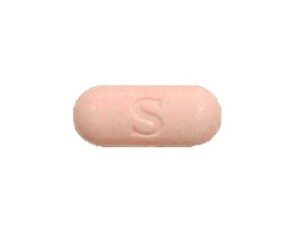
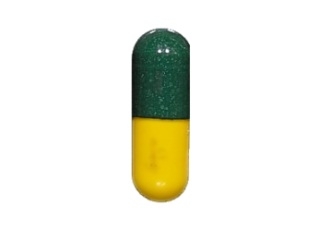
| Available Forms & Strengths | Capsules: 10 mg, 25 mg, 50 mg Oral Solution (may be available in select compounding pharmacies) Inhalation powder (not registered in Australia as of 2024) |
| Manufacturers | Mayne Pharma, Alphapharm, various generic suppliers |
| Prescription Status | Prescription Only Medicine (Schedule 4). Dispensed by pharmacists upon prescription from a registered medical practitioner. |
Mechanism of Action
- In Simple Terms: Loxapine helps to balance certain brain chemicals (neurotransmitters) that become disturbed in mental health conditions, such as schizophrenia. By restoring this balance, it helps ease symptoms like hallucinations, confusion, and irritability.
- For Specialists: Loxapine is a dibenzoxazepine tricyclic antipsychotic. It acts as a dopamine D2, D3, D4, and serotonin 5-HT2A receptor antagonist, with additional alpha-adrenergic and histamine receptor blocking effects. Its efficacy mainly stems from blocking post-synaptic dopamine receptors in the brain's limbic system.
Pharmacokinetics
- Absorption: Loxapine is well-absorbed from the gastrointestinal tract. Peak blood levels are typically reached within 1.5 to 3 hours after oral administration.
- Metabolism: Processed primarily in the liver, creating active and inactive metabolites, including 7-hydroxyloxapine (which may contribute to clinical effects).
- Elimination: Excreted via urine (mainly as metabolites) and some in faeces. The elimination half-life is approximately 4–8 hours for loxapine and up to 12–24 hours for its active metabolites.
- Duration of Action: Clinical effect often lasts 12–24 hours, allowing once or twice daily dosing for most patients.
Use in Everyday Life and Best Practices
- Common Indications: Loxapine is prescribed in Australia primarily for the management of schizophrenia (both acute and chronic forms), and sometimes for other treatment-resistant psychotic disorders as determined by a psychiatrist.
- Dosage:
- Starting doses typically range from 10 to 25 mg twice daily, adjusted according to clinical response and tolerance.
- Effective maintenance doses are usually between 60 mg and 100 mg daily, divided into 2–4 doses.
- Doses over 250 mg per day are uncommon and require specialist oversight.
- How to Take: Loxapine capsules should be swallowed whole with water, ideally at the same time(s) each day to maintain steady medication levels.
- Australian Context and Practical Advice: Psychiatrists typically initiate Loxitane under close supervision, especially during the early treatment phase. Ongoing reviews with mental health teams and regular GP check-ups are recommended.
- Driving and Machinery: Drowsiness is a common side effect. Patients should avoid driving or operating heavy machinery until they know how the medicine affects them.
Dosing in the Morning vs Evening
- Morning Dosing: May reduce drowsiness during the night but can increase daytime sedation for some patients.
- Evening Dosing: Recommended if sedation occurs. Taking Loxitane at night can help with sleep but may lead to morning grogginess for some people.
- Best Practices: For most, dividing doses between morning and evening helps balance side effects and symptom control. Discuss with your doctor or pharmacist for best personal fit. Try to take doses consistently, alongside meals if possible, to assist with routine.
Taking with Food or on an Empty Stomach
- Loxapine may be taken with or without food. Taking it after a meal can help reduce stomach upset, which occasionally occurs.
- Traditional English and Australian diets typically do not interact with Loxitane, but grapefruit and its juice are best avoided unless cleared by your doctor, as they can alter some medication effects.
Interaction Warnings
| Type | Example(s) | Effect | Recommendation |
|---|---|---|---|
| Food | Grapefruit, alcohol | Altered metabolism, increased sedation | Avoid grapefruit. Alcohol should be limited or avoided as it amplifies sedative effects. |
| Medications | CNS depressants (benzodiazepines, opioids); SSRIs; antihypertensives; anticholinergic agents | Increased risk of drowsiness, lowered blood pressure, anticholinergic side effects | Inform your doctor about all medicines and supplements you take. |
| Other | Tobacco smoke (enzyme inducer) | Can reduce effectiveness by speeding up liver metabolism of loxapine | Inform prescriber of changes in smoking habits. |
Indications for Use
| Official Indications | Off-Label/Unregistered Indications (as per specialist discretion) |
|---|---|
| - Schizophrenia (acute and chronic) - Schizoaffective disorder (rare, under psychiatrist supervision) | - Agitation in psychiatric emergencies (inhaled form; not available in Australia) - Bipolar mania (refractory cases) - Severe behavioural disturbances (limited, specialist-only) |
Dosing According to Clinical Indication
| Group | Starting Dose | Maintenance Dose | Maximum Dose |
|---|---|---|---|
| Adults | 10–25 mg, 2–4 times daily | 60–100 mg daily (divided) | Up to 250 mg daily |
| Older Adults (65+ years) | 5–10 mg, 2–3 times daily | Lower end of adult range; individualised | Generally not above 100 mg daily |
| Children & Adolescents | Not routinely recommended; specialist only | N/A | N/A |
Safety Profile and Side Effects
| Frequency | Side Effects |
|---|---|
| Very Common (≥1/10) | Drowsiness, dry mouth, constipation, weight gain |
| Common (≥1/100, <1/10) | Blurred vision, dizziness, mild tremor, increased heart rate, low blood pressure (esp. on standing) |
| Uncommon/Rare (<1/1000) | Muscle stiffness (parkinsonism) Restlessness (akathisia) Tardive dyskinesia (uncontrolled movements) Neuroleptic malignant syndrome (medical emergency) Seizures (fits) Jaundice or liver problems |
| Warnings | May worsen heart rhythm abnormalities (QT prolongation). Avoid in patients with narrow-angle glaucoma, severe liver disease, or allergy to loxapine. Risk of falls in elderly, especially with other sedating medicines. |
Guidelines for Proper Use (Australia Clinic/Pharmacy Advice)
- Start low, go slow: Especially for elderly or those with coexisting conditions.
- Regular monitoring: Blood tests for liver function, glucose, cholesterol, and full blood count may be recommended periodically.
- Do not stop abruptly: Always taper off slowly under medical supervision to avoid withdrawal symptoms and potential relapse.
- Emergency plans: Know when to seek urgent help (e.g., high fever, muscle rigidity, confusion – these may suggest rare but serious reactions).
- Support services: Engage with your mental health team, pharmacist, and local resources. Australia offers community mental health supports for medication monitoring.
- Store safely: Keep out of reach of children, in a cool, dry place below 25°C.
Alternative Treatment Options and Comparative Overview
- Other Antipsychotics Reimbursed in Australia:
- Olanzapine (Zyprexa)
- Risperidone (Risperdal)
- Quetiapine (Seroquel)
- Aripiprazole (Abilify)
- Amisulpride (Solian)
- Clozapine (Clozaril; specialist use in treatment-resistant cases)
- Pros & Cons:
- Newer medications (second-generation antipsychotics) often have lower risks of movement disorders but may cause more weight gain or metabolic side effects.
- Loxapine is useful for some patients not responding to modern antipsychotics, but requires careful monitoring for older-typical antipsychotic side effects.
Legal, Registration, and Reimbursement Status in Australia
- Loxitane and generic loxapine are Schedule 4 medicines under the Therapeutic Goods Administration (TGA).
- Only available on prescription from a registered healthcare professional.
- On the Pharmaceutical Benefits Scheme (PBS) for schizophrenia and related psychoses, subject to authority approval.
- Not recommended or reimbursed for routine use in dementia-related behavioural disturbances, per TGA and National Institute for Health and Care Excellence (NICE; UK) guidelines.
Latest Research/Clinical Guidance (2022–2025)
- Contemporary studies suggest loxapine remains an effective option for refractory schizophrenia, with comparable efficacy to other “typical” antipsychotics (see: Takeuchi et al., 2023, Schizophrenia Bulletin).
- Recent meta-analyses (Youngstrom et al., 2024) support its occasional use in acute agitation, although the inhaled version is not available in Australia.
- Current Australian psychosis treatment guidelines recommend shared decision-making and regular review of side-effect profiles, with a preference for newer agents unless older ones are better tolerated.
- Specialist consensus continues to support monitoring for tardive dyskinesia and metabolic side effects, emphasising the importance of regular follow-up for all antipsychotic treatments.
Availability and Delivery
| Pack Size | Typical Contents | Indicative PBS Co-payment* | Private Price Range** |
|---|---|---|---|
| 30 capsules | 10mg, 25mg, or 50mg strength | $7.30 (concessional); $30.00–41.00 (general) | $25–$60 (depending on supplier, pharmacy) |
| Major City | In-Store Pick-Up | Express Delivery | Remote/Rural Delivery |
|---|---|---|---|
| Sydney | Same day – 24 hrs | 1–2 days | 2–4 days |
| Melbourne | Same day – 24 hrs | 1–2 days | 2–5 days |
| Brisbane | Same day – 24 hrs | 1–2 days | 2–5 days |
| Perth, Adelaide | 24–48 hrs | 2–3 days | 3–7 days |
| Rural/Remote | N/A | Varies: 3–7 days | Allow 5–10 days |
Frequently Asked Questions (FAQ)
- Q: Can Loxitane be stopped suddenly if I feel better?
A: No. Stopping suddenly can lead to withdrawal symptoms and risk of relapse. Always follow your doctor’s advice when making changes. - Q: Can I drink alcohol while on Loxitane?
A: It’s best to avoid alcohol – it can increase drowsiness and the risk of serious side effects. - Q: What should I do if I miss a dose?
A: Take it as soon as you remember unless it’s nearly time for the next dose — then skip the missed dose. Do not double up or take extra to make up for it. - Q: Is Loxitane safe in pregnancy?
A: Use only when clearly needed and prescribed by your doctor. Discuss the risks and benefits before continuing while pregnant or breastfeeding. - Q: How will I know it is working?
A: Gradual reduction in symptoms such as confusion, agitation, or hallucinations. It may take a few days to some weeks for full benefit—report progress to your psychiatrist or GP.
Always consult your doctor or pharmacist for advice tailored to your health situation. This guide is intended to support but not replace individual medical advice.