Skelaxin (Metaxalone): Comprehensive Patient Information for Australia
Basic Product Information
| International Nonproprietary Name (INN) | Metaxalone |
|---|---|
| Australia Brand Names | Skelaxin® (not currently registered with the TGA as of 2024); generic forms may be available via special access scheme |
| ATC Code | M03BX09 |
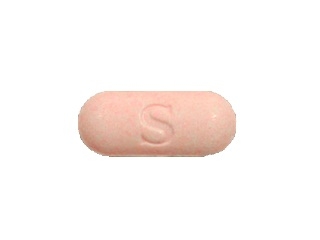
| Available Forms and Strengths | Tablet: 400 mg, 800 mg (most common internationally) |
| Manufacturers | Pfizer Australia (internationally Sandoz, King Pharmaceuticals); may be sourced via special access scheme |
| Prescription Status | Prescription only; not generally subsidised on Pharmaceutical Benefits Scheme (PBS) as of June 2024 |
Mechanism of Action
- For Patients: Metaxalone is a skeletal muscle relaxant. It works by acting on the brain and spinal cord (central nervous system) to help relax muscles and relieve muscle spasms, pain, and stiffness caused by strains, sprains, or other musculoskeletal conditions.
- For Specialists: Metaxalone’s exact mode of action is not completely understood, but it is thought to cause general central nervous system depression. It does not act directly on muscle fibres or the neuromuscular junction.
Pharmacokinetics
- Absorption: Rapid absorption from the gastrointestinal tract; peak plasma concentrations are achieved in ~3 hours.
- Metabolism: Metabolised in the liver, mainly via CYP1A2 and CYP2C19 enzymes.
- Elimination: Excreted mainly via the kidneys (urine); elimination half-life about 9 hours.
- Duration of Action: Effects last up to 4–8 hours post-dosing.
Use in Everyday Life and Best Practices
Metaxalone is typically used as part of short-term management (up to a few weeks) of acute painful musculoskeletal conditions. It is not intended for chronic conditions (long-term use), nor for treating muscle spasticity due to neurological disorders.
- Usual Adult Dose: 400–800 mg up to three or four times a day, as directed by your doctor.
- Always take as prescribed. Do not exceed the recommended dose.
- Used in combination with rest, physiotherapy, and physical rehabilitation.
- If you miss a dose, take it as soon as you remember unless it’s almost time for your next dose (do not double up).
- Tablets should be swallowed whole with a glass of water—don’t chew or crush unless instructed.
Dosing in the Morning vs Evening
- Morning Dose: May help reduce daytime pain and improve mobility, but could cause drowsiness in some patients. Use caution if driving or operating machinery.
- Evening Dose: May be preferable for those who experience daytime tiredness, or whose pain is worse at night. Can help improve sleep if muscle spasm disturbs rest.
- Tips for Regularity: Take at the same times each day for best effect. Discuss with your prescriber if you need to adjust the timing to fit your daily routine or sleep needs.
Taking With Food or on an Empty Stomach
- Taking metaxalone with food, especially high-fat meals, can increase drug absorption and potentially the risk of side effects such as sleepiness, dizziness or nausea.
- It can be taken with or without food, but preferably the same way each time for consistency.
- For sensitive stomachs, taking with a light meal may help prevent gastrointestinal upset.
- Australian context: Typical meals with moderate fat content are suitable. Avoid heavy or fried foods immediately prior to your dose, if possible.
Interaction Warnings
| Type of Interaction | Examples | Advice |
|---|---|---|
| Alcohol | Beer, wine, spirits | Do not drink alcohol with metaxalone: increases drowsiness, dizziness, and accident risk. |
| Other CNS Depressants | Benzodiazepines, opioids, strong painkillers | May greatly increase sleepiness, confusion, or risk of falls. Tell your doctor about all your medicines. |
| Antidepressants/Antipsychotics | Fluoxetine, sertraline, quetiapine | Possible increased sedative effects. Monitor closely. |
| Enzyme Inhibitors/Inducers | Ciprofloxacin, fluvoxamine, phenytoin, rifampicin | May increase or decrease effectiveness. Check with pharmacist. |
| Food | High fat meals | Can increase drug levels and side effects. Avoid heavy/fatty meals at dosing time. |
| Herbal Supplements | St John’s Wort, valerian | Potential for additive sedation or altered drug metabolism. |
Indications
| Indication | Status | Description |
|---|---|---|
| Acute musculoskeletal pain/spasm | Official (international) | Short-term relief of discomfort from muscle injuries, strains or sprains |
| Musculoskeletal conditions (off-label in AU) | Off-label | Occasionally used for pain/flank spasm in conditions like fibromyalgia or tension headache, under specialist supervision |
| Acute lower back pain | Off-label | Possible use, but not first-line in Australia; typically after other non-drug remedies tried |
Dosing According to Clinical Indications
| Population | Typical Dose | Maximum Dose | Notes |
|---|---|---|---|
| Adults | 400–800 mg 3–4 times daily | Maximum 3200 mg/day | Dose adjustment may be needed for liver or kidney impairment |
| Adolescents (over 12 years) | Use with caution; 400 mg 3–4 times daily (off-label) | Do not exceed 3200 mg/day | Not recommended under 12 years |
| Elderly | Start at lower dose, e.g. 400 mg 3 times daily | Use minimum effective dose | Increased sensitivity; higher risk of drowsiness & falls |
| Liver/Kidney Disease | Use with extreme caution or avoid | N/A | Risk of accumulation & side effects |
Safety Profile and Side Effects
| Frequency | Side Effect | Notes |
|---|---|---|
| Common (>1/100) | Drowsiness, dizziness, headache, nausea, vomiting | Usually mild; caution when driving or using machinery |
| Uncommon (<1/100) | Upset stomach, nervousness, irritability, blurred vision | Discuss with your pharmacist if persistent |
| Rare (<1/1000) | Severe allergic reaction, jaundice, low blood cell counts | Seek urgent medical advice if severe rash, swelling, yellow skin/eyes, unexplained bruising |
| Warnings | May impair mental alertness; risk increased with alcohol, other sedatives | Never combine with alcohol, recreational drugs, or strong sedatives without medical advice |
Guidelines for Proper Use (Pharmacy/Clinic Advice)
- Always follow your doctor's dosage instructions exactly.
- Do not drive, cycle, or operate machinery if you feel drowsy or dizzy.
- Limit or avoid alcohol while taking metaxalone.
- Inform your pharmacist and doctor of all medicines and supplements you are taking (including over-the-counter and herbal products).
- If you have liver or kidney problems, epilepsy, or a history of substance misuse, ensure your prescriber knows.
- Discard expired tablets – ask your local pharmacy about safe medication disposal options.
- If experiencing severe side effects, contact your pharmacist or local emergency department (000 in an emergency).
- Keep out of reach of children.
Alternative Treatment Options in Australia
- Methocarbamol (Robaxin®) – another centrally acting muscle relaxant; similar indications, may cause more sedation.
- Diazepam – occasionally used short-term for muscle spasm but has high risk of dependence; PBS subsidised for certain indications.
- Non-steroidal anti-inflammatory drugs (NSAIDs): Such as ibuprofen or naproxen, first-line for acute musculoskeletal pain; widely available, reimbursed under PBS.
- Physical therapy and local treatments: Heat/ice, stretching, physiotherapy are key first-line approaches.
- Metaxalone is sought when standard therapies are unsuitable or ineffective, especially for patients who cannot tolerate NSAIDs or diazepam.
- Pros and cons:
- Metaxalone: Less sedation than benzodiazepines, but not reimbursed; special access required.
- NSAIDs: Broadly subsidised (PBS), but can cause stomach upset or affect kidney function.
- Diazepam: PBS listed, short-term use only due to addiction risk.
Legal, Registration, and Reimbursement Status in Australia
- Not currently approved or registered by the Therapeutic Goods Administration (TGA) for routine supply (as of June 2024).
- May be accessed via the Special Access Scheme (SAS) for individual patients after assessment.
- Prescription only: Schedule 4 (S4) medication. Cannot be purchased over the counter.
- Not subsidised by the Pharmaceutical Benefits Scheme (PBS) – costs are borne by the patient or private health fund.
Latest Research and Clinical Guidance (2022–2025)
- Recent reviews (Australian Prescriber 2023; International Association for the Study of Pain) emphasise non-drug treatments as first-line for acute musculoskeletal pain, reserving muscle relaxants for short periods when pain is severe or unresponsive.
- Metaxalone remains less sedating than benzodiazepines, but evidence for chronic use is limited (O’Connor & Smith, 2023, BMJ).
- No major changes to international guidance; Australian guidelines continue to prioritise NSAIDs and physical rehabilitation over muscle relaxants.
- Patients should be aware of potential sedation; avoid tasks needing alertness until the drug’s effects are known.
Availability and Delivery in Australia
| Pack Size | Typical Quantity | Indicative Price (as of June 2024) | Delivery Times (Business Days) |
|---|---|---|---|
| Tablets | 30, 100 (varies by supplier) | $50–$130 (unsubsidised, varies by supplier and pack size) | Sydney: 1–2 days Melbourne: 1–2 days Brisbane: 1–2 days Perth: 2–4 days Adelaide: 2 days Hobart: 3 days Darwin: 3–5 days |
- Sourced via SAS prescription; some delays may occur if imported.
- Discuss specific pricing and supply with your dispensing pharmacy.
Frequently Asked Questions (FAQ)
1. Is Skelaxin® (metaxalone) available in Australian pharmacies?
No, as of June 2024, Skelaxin is not routinely available in Australia. It may be accessible through a doctor’s prescription under the Special Access Scheme (SAS) if clinically justified.
2. How fast does metaxalone start working?
Most people notice pain relief or muscle relaxation within 1–3 hours after taking a dose. Full effect may take several doses.
3. Can I drive or work while taking metaxalone?
Do not drive or use machinery until you know how metaxalone affects you. Drowsiness, dizziness and slow reaction times can occur, especially during initial use.
4. What should I do if I miss a dose?
If you forget a dose, take it as soon as you remember unless it’s nearly time for your next dose. Do not double up doses.
5. Can I take metaxalone with paracetamol or ibuprofen?
Yes, you may use paracetamol or ibuprofen with metaxalone if more pain relief is needed, unless your doctor tells you otherwise. Always follow dosing instructions and check for interactions with your pharmacist.
For personalised advice, contact your Australian doctor or pharmacist.