
Atomoxetine: Patient Information for Australia
Basic Product Information
| International Non-proprietary Name (INN) | Atomoxetine |
|---|---|
| Australian Brand Names | Strattera®, Lupaneta®* |
| ATC Code | N06BA09 |
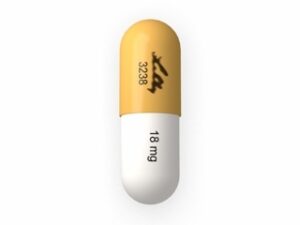
| Available Forms & Strengths (Australia) | Capsules: 10 mg, 18 mg, 25 mg, 40 mg, 60 mg, 80 mg, 100 mg |
| Manufacturers | Eli Lilly Australia Pty Ltd; generic equivalents may be available |
| Prescription Status | Prescription Only Medicine (Schedule 4), PBS listed for ADHD in certain cases |
*Brand availability may vary by pharmacy and region.
Mechanism of Action
For patients: Atomoxetine works by increasing the levels of noradrenaline (norepinephrine), a natural chemical that helps control attention, impulsivity, and activity in the brain. This can help people with Attention Deficit Hyperactivity Disorder (ADHD) stay focused and manage symptoms.
For specialists: Atomoxetine is a selective norepinephrine reuptake inhibitor (NRI). It exerts its action by blocking the presynaptic norepinephrine transporter, increasing synaptic concentration of norepinephrine in the prefrontal cortex. It has minimal affinity for other neurotransmitter receptors, and unlike stimulants, does not enhance dopamine release in the striatal areas associated with reward.
Pharmacokinetics
- Absorption: Rapidly absorbed, peak plasma concentration achieved 1–2 hours after dosing.
- Metabolism: Extensively metabolised in the liver, mainly by CYP2D6. Dose adjustment may be needed in poor metabolisers (CYP2D6 variants).
- Elimination: Primarily via urine (80%), small amount via faeces.
- Duration of action: Once-daily dosing is usually sufficient; half-life 5.2 h (normal) to ~24 h in poor metabolisers.
Use in Everyday Life and Best Practices
Who uses Atomoxetine?
Atomoxetine is most commonly used for children (aged 6+), adolescents, and adults diagnosed with ADHD. It may also be considered for patients who cannot tolerate or do not respond to stimulant medications.
Typical Dosing:
- Initial dose is usually 0.5 mg/kg per day (children/adolescents) or 40 mg/day (adults).
- Maintenance dose: up to 1.2 mg/kg/day (children) or up to 100 mg/day (adults), depending on response and tolerance.
- Always taken as a single daily dose or split into two doses (morning and late afternoon/early evening) if needed due to side effects.
- Capsules should be swallowed whole with water, not opened or chewed.
Dosing in the Morning vs Evening
Taking atomoxetine in the morning is standard, as it can help minimise sleep difficulties. However, if drowsiness or tolerability issues occur, your doctor may recommend splitting the dose.
- Morning dosing: Recommended for most patients; reduces risk of insomnia.
- Evening or split dosing: May reduce day-time side effects, but can cause trouble sleeping in some people.
- Tips: Be consistent with timing; set a daily reminder; consult your doctor if you notice disrupted sleep or day-time fatigue.
Taking with Food or On an Empty Stomach
Atomoxetine can be taken with or without food. It can sometimes cause stomach upset, in which case taking it with a meal or afternoon tea is reasonable and will not affect how well the medicine works.
In the Australian setting, pairing with breakfast or lunch is common. There are no specific food restrictions; eating standard Australian dietary staples (such as cereals, dairy, fruit, sandwiches) is fine.
Interaction Warnings
| Type | Caution/Food/Drug | Advice |
|---|---|---|
| Alcohol | Can increase side effects (drowsiness, agitation) | Avoid or limit intake |
| SSRIs (e.g., fluoxetine, paroxetine) | May increase atomoxetine blood levels | Inform your doctor, dose adjustment may be needed |
| MAOIs | Serious interactions; contraindicated | Do not use with or within 14 days of an MAOI |
| Asthma medications (e.g., salbutamol) | Potential for increased heart rate | Monitor for palpitations |
| Antihypertensives | May reduce effectiveness | Blood pressure monitoring advised |
| Other ADHD medications | Not usually combined | Discuss with your specialist |
| Grapefruit juice | Potential mild CYP interaction | Occasional consumption unlikely to be significant |
Indications—When is Atomoxetine Used?
| Indication | Status in Australia |
|---|---|
| ADHD (children & adolescents 6+) | Registered indication (PBS subsidised under defined circumstances) |
| ADHD (adults) | Registered indication (PBS subsidised for new adult diagnoses since 2021) |
| Comorbid Tic Disorders | Off-label; specialist initiation only |
| Anxiety disorders, depression, BED | Experimental/off-label only |
Dosing According to Clinical Indication
| Patient Group | Starting Dose | Maintenance Dose | Maximum Dose |
|---|---|---|---|
| Children (6–17 years, <70 kg) | 0.5 mg/kg once daily | Up to 1.2 mg/kg once daily | 1.4 mg/kg/day (not to exceed 100 mg) |
| Children & adolescents (≥70 kg) | 40 mg once daily | 80 mg once daily | 100 mg/day |
| Adults | 40 mg once daily | 80 mg once daily | 100 mg/day |
| Elderly (>65 years) | Cautious use; start low, go slow | Monitor for cardiovascular side effects | Individual titration |
| Children & adults with liver impairment | Initially half usual dose | — | — |
Safety Profile & Side Effects
Atomoxetine is generally well tolerated, but all medicines carry some risk of side effects.
| Side Effect | Frequency | Notes |
|---|---|---|
| Decreased appetite | Common | Monitor in growing children |
| Stomach upset, nausea | Common (esp. first weeks) | Often improves over time |
| Dry mouth | Common | Stay hydrated |
| Trouble sleeping (insomnia) | Common | Take dose in morning |
| Headache | Common | Paracetamol usually safe |
| Irritability, mood changes | Occasional | Report if severe |
| Increased heart rate/blood pressure | Occasional | Check vitals periodically |
| Liver problems (abnormal LFTs, jaundice) | Rare | Report dark urine, abdominal pain |
| Thoughts of self-harm (young people) | Rare | Seek medical help urgently |
| Allergic reaction (rash, swelling, difficulty breathing) | Very rare | Seek emergency care |
Guidelines for Proper Use
- Take atomoxetine at the same time every day, preferably morning (with or without food).
- Do not split, chew, or open capsules.
- If you miss a dose, take it as soon as you remember—unless it is close to the next dose (skip and resume as normal; do not double dose).
- Report any yellowing of the skin or eyes (jaundice), severe abdominal pain, or dark urine to your doctor immediately (liver warning).
- Check your blood pressure and heart rate at regular intervals, particularly if you have a history of heart or blood pressure issues.
- If you feel dizzy, light-headed, or unwell, avoid driving or operating machinery and inform your GP.
- Regular review with your GP, paediatrician or psychiatrist is important for monitoring growth, response, and side effects.
- Do not stop atomoxetine suddenly without medical advice; withdrawal is generally mild but symptoms may recur.
Alternative Treatment Options
- Methylphenidate (Ritalin®, Concerta®, Quillichew®): Stimulant, first-line for ADHD, often more rapid onset of benefit; can cause appetite/sleep issues.
- Dexamphetamine (Dexedrine®, Vyvanse® [lisdexamfetamine]): Stimulant, similar benefits/risks, PBS reimbursed in Australia for ADHD.
- Guanfacine (Intuniv®): Non-stimulant, used mainly in children not responding to stimulants, some sedation risk.
- Clonidine: Non-stimulant, occasionally used for impulse control in children.
- Psychological therapy/counselling: Recommended for all patients as part of multimodal ADHD management.
Comparative overview: Stimulants may work faster but carry greater risk of misuse or dependency. Atomoxetine’s advantage is its steady, all-day effect and lower risk of abuse. Non-stimulants (like atomoxetine and guanfacine) can be useful for people unable to use stimulants due to medical or side effect reasons.
Legal, Registration, and Reimbursement Status in Australia
- Registered with the Therapeutic Goods Administration (TGA).
- Prescription needed (Schedule 4).
- PBS (Pharmaceutical Benefits Scheme) subsidises atomoxetine for ADHD: children/adolescents where stimulants do not work/tolerated, and for new adult diagnoses (2021-onward).
- Not a controlled drug; lower risk of misuse vs. stimulants.
- Special Authority required for PBS – your doctor or psychiatrist will manage this process.
Latest Research & Clinical Guidance (2022–2025)
- Recent Australian clinical guidelines recognise atomoxetine’s role for adults newly diagnosed with ADHD and those who cannot tolerate stimulants, emphasising its effectiveness and sleep benefits.
- Meta-analyses (e.g., Cortese et al., 2023, Lancet Psychiatry) show atomoxetine is effective, though response can be slower and somewhat less pronounced compared to stimulants.
- Safety updates (TGA 2023, EMA, FDA) require ongoing monitoring for rare liver issues and mental health changes in young people.
- Growing research highlights atomoxetine’s positive impact on executive functioning, with notable benefit in patients with co-existing anxiety or tics.
- Practice tip: starting low and titrating gradually reduces risk of side effects.
Availability and Delivery in Australia
| Pack Size | Approximate Price* (PBS co-payment) | Indicative Delivery (Metro) | Indicative Delivery (Rural/Remote) |
|---|---|---|---|
| 28 capsules (average pack) | $30.00 concession / $46.40 general patient | 1–2 business days (Sydney, Melbourne, Brisbane) | 2–5 business days (Perth, Alice Springs, Darwin, regional towns) |
| 56 capsules (two packs) | $60.00 concession / $92.80 general patient | 1–2 business days | 2–5 business days |
*Out-of-pocket costs vary if not PBS eligible; many private insurance plans partially cover cost. Check with your pharmacy or insurer.
FAQs – Atomoxetine in Australia
- Is atomoxetine safe for long-term use?
- Long-term studies confirm that it is generally safe and well-tolerated with appropriate monitoring. Annual reviews with your doctor are recommended.
- Can I stop atomoxetine suddenly?
- Unlike stimulants, sudden stopping of atomoxetine rarely causes withdrawal symptoms. However, ADHD symptoms may return. Discuss any changes with your doctor first.
- Will atomoxetine affect my growth (children/teens)?
- Some decrease in appetite is common, which could affect weight gain or growth. Weight and height should be checked every 6 months.
- Is it safe to take atomoxetine with other medicines?
- Most common medicines are compatible, but some antidepressants, asthma medicines, and blood pressure drugs can interact. Always tell your healthcare team about all your medicines.
- What should I do if I notice yellowing of my skin or eyes, dark urine, or right-sided stomach pain?
- These may be signs of a rare but serious liver reaction. Stop atomoxetine and seek urgent medical advice.
This information is designed to help patients and families better understand atomoxetine use in Australia. Please always consult your pharmacist, GP, or specialist for advice tailored specifically to your health needs and circumstances.