

Clomipramine: Comprehensive Patient Guide for Australia
Basic Product Information
| International Nonproprietary Name (INN) | Clomipramine |
|---|---|
| Popular Brand Names (Australia) | Anafranil, Clomicalm (mostly veterinary), others may be available as generics |
| Anatomical Therapeutic Chemical (ATC) Code | N06AA04 |
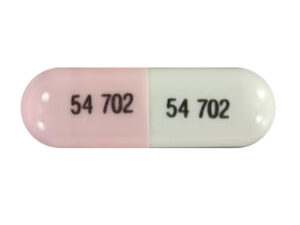
| Available Forms and Strengths | Tablets: 10 mg, 25 mg, 50 mg, 75 mg Modified release: 75 mg (Anafranil SR) Capsules: 25 mg Oral drops/solution: Primarily not available in AU, but check for compounding |
| Manufacturers | Novartis, Mylan, Apotex, Sigma; various generics |
| Prescription Status | S4 – Prescription Only Medicine (as per the Therapeutic Goods Administration, TGA) |
Mechanism of Action
- For Patients: Clomipramine belongs to a group of medicines called tricyclic antidepressants. It works mainly by increasing the levels of certain chemicals in your brain—serotonin and noradrenaline—which help improve mood, control anxiety, and manage obsessive thoughts.
- For Health Professionals: Clomipramine strongly inhibits serotonin reuptake and weakly inhibits noradrenaline reuptake, with moderate anticholinergic and antihistaminic properties. It may also block sodium and calcium channels at higher doses.
Pharmacokinetics
- Absorption: Well absorbed orally; peak plasma concentrations achieved in 2–6 hours for immediate release, up to 12 hours for SR.
- Metabolism: Extensively metabolised in the liver, primarily via CYP2D6 and CYP3A4, to its active metabolite desmethylclomipramine.
- Elimination: Mostly renal, also fecal; about 60% excreted in urine mainly as metabolites.
- Duration of Action: Half-life ranges from 19 to 37 hours (longer in elderly or hepatic impairment). May take several weeks for full effect.
Use in Everyday Life and Best Practices (Australia Context)
Clomipramine is prescribed for a range of mental health conditions and is usually taken once or twice a day. It’s important to follow your doctor’s individual instructions closely. In Australia, it is commonly dispensed as tablets or modified release forms, and pharmacists can provide tailored advice and dose aids.
- Typical doses: Start low (e.g. 10–25 mg daily), increased gradually as tolerated. Maintenance doses can range from 50 mg to 250 mg daily, depending on the condition.
- How to take: Swallow tablets/capsules whole with a glass of water. Modified release forms should not be crushed or split.
- Consistency: Take at the same time(s) each day—establish a routine to avoid missed doses.
- Medical review: Regular GP or specialist follow-up is recommended, especially in the first weeks or if your dose changes.
Dosing: Morning vs. Evening
- Morning: May reduce risk of disturbed sleep (insomnia), but can cause drowsiness or dizziness in some people—be careful if you drive or operate machinery.
- Evening: Taking at night is often preferred for those who experience drowsiness. May help with sleep onset and minimise daytime side effects.
- Best Practice: If prescribed twice daily, the larger dose is often given at night. Always follow your doctor’s advice for dose timing, and notify them if you have issues with sleep or alertness.
Taking with Food vs. On an Empty Stomach
- Clomipramine can be taken with or without food. Food may reduce stomach upset for some people.
- Australian diets (often high in fibre, variable fat content) do not significantly affect absorption, but consistency helps avoid unpredictable side effects.
- If you experience nausea, take with a light snack or after a meal.
Interaction Warnings
| Type | Example | Advice |
|---|---|---|
| Alcohol | Beer, wine, spirits | Avoid—clomipramine increases drowsiness, confusion, accident risk |
| Other antidepressants | SSRIs, MAOIs, SNRIs | Potentially dangerous (‘serotonin syndrome’ risk)—consult your doctor |
| Anticholinergic drugs | Antihistamines, certain anti-psychotics | May increase confusion, dry mouth, constipation, urinary retention |
| Blood pressure medications | Clonidine, beta-blockers | Some combinations are unsafe; monitor closely |
| St Johns Wort | Herbal antidepressant | Can increase side effects—avoid |
| Grapefruit juice | Citrus drink | May increase levels of clomipramine; best avoided |
Indications
| Condition | Official (TGA) | Off-label |
|---|---|---|
| Obsessive-Compulsive Disorder (OCD) | Yes | |
| Major Depressive Disorder | Yes | |
| Panic Disorder | Yes | |
| Chronic pain, neuropathic pain | No | Common off-label use, shared with other TCAs |
| Premature Ejaculation | No | Occasionally used under specialist care |
| Enuresis (bedwetting) | No | Used rarely, paediatric specialist only |
| Other anxiety disorders, cataplexy in narcolepsy | No | Sometimes in specialist settings |
Dosing According to Clinical Indication
| Indication | Adults | Paediatric (10+) | Elderly |
|---|---|---|---|
| OCD | Start 25 mg/day, increase by 25 mg every 3–7 days to 100–250 mg as tolerated; max 250 mg | Start 10–25 mg (night), increase slowly to 3 mg/kg/day in divided doses; max 200 mg | Start 10 mg, increase as tolerated, usually lower maintenance (50–150 mg) |
| Depression* | Start 25 mg/day, increase to 75–150 mg/day; max 250 mg | Rarely prescribed — specialist only | Start low, increase very slowly; adjust for tolerability |
| Panic disorder | Start 10–25 mg/day, titrate to 50–150 mg/day; max 150 mg | N/A | Lower initial and maintenance dose |
*Note: Other antidepressants are generally considered first-line for depression (e.g. SSRIs).
Safety Profile and Side Effects
All medicines can cause side effects, although not everyone will experience them. Many side effects are temporary or can be managed with help from your care team.
| Common (≥1/10) | Occasional (1/100–1/10) | Rare (<1/1,000) |
|---|---|---|
|
|
|
Serious Warning Signs (seek help ASAP): Suicidal thoughts, persistent vomiting, chest pain, fainting, sudden muscle stiffness, fever, yellowing of skin/eyes.
Guidelines for Proper Use (Australia Focus)
- Start low, go slow—especially for elderly or if you have liver/kidney problems.
- Never stop suddenly without your doctor’s advice: rapid withdrawal can cause agitation, nausea, headaches or relapse.
- If you miss a dose, take it as soon as possible, unless it is nearly time for your next dose. Don’t double up doses.
- Stay hydrated and use high-fibre foods to help with constipation—common in the English diet.
- Attend regular follow-up visits with your GP or mental health professional.
- Ask your pharmacist about medicines review and dose administration aids (such as Webster-paks).
- Safe storage: Keep out of reach of children; do not share your medicines with others.
Alternative Treatment Options
- Other antidepressants (PBS-listed): SSRIs such as fluoxetine, sertraline, fluvoxamine (preferred initial choices for OCD/depression).
- SNRIs (venlafaxine, duloxetine): Alternative for depression/anxiety in certain cases.
- Other tricyclic antidepressants (amitriptyline, nortriptyline): Sometimes used for pain syndromes.
- Psychological therapies: CBT is highly effective for OCD and depression, recommended first-line before or along with medicines in many cases.
- Pros/cons: Clomipramine is effective for severe OCD and depression but can cause more side effects than SSRIs. It may be effective where other treatments have failed.
Legal, Registration, and Reimbursement Status in Australia
- Registered with the Therapeutic Goods Administration (TGA).
- S4 (prescription only) medicine—can be supplied by community and hospital pharmacies across the country.
- Pharmaceutical Benefits Scheme (PBS): Subsidised for certain indications, notably OCD and depression (check latest PBS schedule or ask your pharmacist).
- Private script may be required for some off-label/unlisted uses.
- Rebates and safety net discounts apply as per national policy.
Latest Research and Clinical Guidance (2022–2025)
- Recent high-level reviews (Royal Australian and New Zealand College of Psychiatrists, 2022–2024) still support clomipramine for treatment-resistant OCD and certain depressive states when SSRIs are ineffective (RANZCP guidelines).
- UK NICE and US APA guidelines confirm clomipramine’s high efficacy, but recommend SSRIs as first-line due to better tolerability.
- Ongoing trials are investigating combination therapy (clomipramine with CBT or other medicines) in severe OCD—early results are promising.
- Long-term monitoring for cardiac side effects is emphasised in elderly and those with pre-existing risk factors (see Australian Prescriber 2023;46:56–61).
Availability, Delivery, and Price in Australia
| Pack Size | Strength | Indicative PBS Patient Price* | Delivery (Metro areas: Sydney, Melbourne, Brisbane, Perth, Adelaide) | Delivery (Regional/Remote) |
|---|---|---|---|---|
| 30 tablets | 25 mg | $6.70 (concessional), ~$25 (general) | 1–2 working days | 3–5 working days |
| 100 tablets | 10 mg / 25 mg / 75 mg | $6.70–$21 (depending on script & strengths) | 1–3 working days | 4–6 working days |
| 30 tablets | 75 mg SR | $10–$40 (general, varies by brand/generic) | 1–2 working days | 3–5 working days |
*Prices current as of early 2024; may change as per PBS indexation or manufacturer.
FAQ – Common Patient Questions
- Q: How long does clomipramine take to work?
A: Some symptoms (like improved sleep or less anxiety) may improve within 1–2 weeks, but it may take 4–6 weeks for full effects. Continue treatment as advised, and check in regularly with your doctor. - Q: What if I forget a dose?
A: Take it when you remember, unless it's almost time for your next dose. Never double up. If you miss doses regularly, discuss options (alarms, dose reminders, Webster pack) with your pharmacist. - Q: Can I drive or work while taking this?
A: You may feel sleepy or less alert, especially when starting or increasing the dose. Avoid driving, cycling, or operating heavy machinery until you know how you react to clomipramine. - Q: Can I drink alcohol?
A: It’s safest to avoid alcohol. Clomipramine can cause or worsen drowsiness, confusion, and accidental injury if taken with alcohol. - Q: Is clomipramine safe in pregnancy or breastfeeding?
A: There are potential risks—always discuss this with your doctor before planning pregnancy or while breastfeeding. Your healthcare team will weigh benefits against any risks for you or your baby.
For more detailed advice, talk to your GP, pharmacist, or a mental health specialist. This information is not a substitute for professional advice—always follow your own healthcare provider’s instructions.