
Lithium – Comprehensive Patient Information
Basic Product Information
| International Non-proprietary Name (INN) | Lithium |
|---|---|
| Common Brand Names in Australia | Priadel, Quilonum SR, Lithicarb, Lithicarb FC |
| ATC Code | N05AN01 |
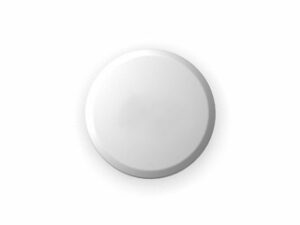
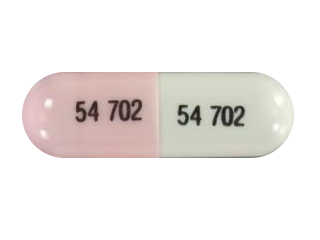
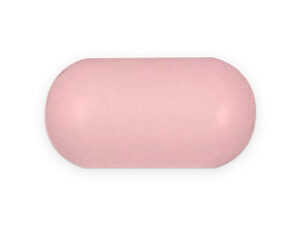
| Available Forms and Strengths |
|
| Manufacturers | AstraZeneca, Aspen Pharmacare, Generic providers |
| Prescription Status | Prescription-only medicine (Schedule 4, S4) |
Mechanism of Action
For Patients:
Lithium works by stabilising mood. It is commonly used for conditions like bipolar disorder and sometimes for depression. Lithium helps to balance certain chemicals in the brain that affect mood and behaviour, reducing the risk of extreme mood swings.
For Healthcare Professionals:
Lithium exerts its effects via multiple mechanisms including inhibition of inositol monophosphatase, modulation of second messenger signalling, influencing GSK3β, and reduction of excitatory neurotransmission (dopamine, glutamate) while enhancing GABAergic transmission. It may have neuroprotective effects, increase neurogenesis, and modulate circadian rhythms. Its precise mechanism in mood disorders remains partly unclear.
Pharmacokinetics
- Absorption: Well absorbed orally; peak blood levels usually reached 30 minutes to 2 hours (immediate-release) or up to 6 hours (controlled release).
- Distribution: Crosses the blood-brain barrier; not protein-bound.
- Metabolism: Not metabolised; excreted unchanged by the kidneys.
- Elimination: Renal excretion; half-life typically 18–36 hours (longer in elderly or kidney impairment).
- Duration of Action: Requires chronic administration; onset of effect is gradual (typically 1–3 weeks).
Use in Everyday Life and Best Practices
Lithium is most often prescribed for the management of bipolar disorder, especially for controlling manic episodes and preventing relapse. It may also be used as an adjunct in some types of depression that don’t respond well to other medications.
- Usual adult dose range is 250–1000 mg per day, adjusted for blood lithium levels (target range typically 0.6–1.2 mmol/L, measured 12 hours after the last dose).
- It is important to take Lithium exactly as prescribed, at the same time each day, and never change the dose or stop suddenly unless your doctor says so.
- Blood tests are essential to monitor lithium levels and kidney/thyroid function. You should have regular check-ups as recommended by your doctor.
- Stay well hydrated—drink plenty of water, especially during heatwaves or if you’re exercising.
Dosing in the Morning vs. Evening
- Morning dosing may reduce some side effects like drowsiness, but splitting the dose can help with gastrointestinal tolerance and keep blood levels more consistent.
- Evening or night dosing is often used if single daily dosing is prescribed; it may reduce the risk of daytime side effects but caution is needed to avoid missing the dose.
- Best Practice: Take lithium at the same times every day. If you are unsure, ask your pharmacist or doctor about the best timing for you.
Taking with Food or on an Empty Stomach
- Lithium may be taken with or after food to reduce nausea or stomach upset, a common side effect.
- Taking it on an empty stomach is also acceptable if well tolerated; always try to remain consistent in the way you take it.
- For many Australians, including with meals (e.g., breakfast or dinner) makes it easier to remember.
- Avoid significant changes in salt (sodium) intake, as this can affect lithium levels in your body. Discuss any major dietary changes (low-salt diet, fasting, etc.) with your clinician.
Interaction Warnings
| Type | Interaction | Advice |
|---|---|---|
| Food | High or low salt diets | Maintain consistent salt intake to avoid changes in lithium levels |
| Alcohol | Increases risk of side effects (confusion, dehydration) | Limit or avoid alcohol use |
| Medications | NSAIDs (ibuprofen, naproxen) | Avoid if possible; monitor lithium levels |
| Medications | Diuretics (esp. thiazides), ACE inhibitors, ARBs | Can increase lithium levels; require close monitoring |
| Medications | SSRIs, antipsychotics, anticonvulsants | Check with your doctor for interactions and monitoring |
| Herbal supplements | St John’s Wort, others | May raise risk of serotonin syndrome—consult your pharmacist |
Indications
| Approved Indications | Summary |
|---|---|
| Bipolar Disorder | Prevention and treatment of manic and depressive episodes |
| Schizoaffective Disorder | Adjunct for mood stabilisation (off-label) |
| Major Depressive Disorder (MDD) | Adjunctive treatment in resistant cases (off-label) |
| Cluster Headaches | Prevention (off-label) |
| Other Mood Disorders | Where other therapies have not worked (on specialist advice) |
Dosing According to Clinical Indication
| Indication | Adults | Paediatric | Elderly |
|---|---|---|---|
| Bipolar Disorder – acute mania | Start 250–400 mg at night or in divided doses, adjust every 5–7 days to achieve serum lithium 0.6–1.2 mmol/L | Start 15–20 mg/kg/day (specialist initiation), adjust by monitoring | Start 125–250 mg/day, increase slowly; lower target level (0.4–0.8 mmol/L) |
| Bipolar Disorder – maintenance | Usual dose 400–1000 mg/day in 1–2 divided doses; monitor bloods | Maintenance under specialist care, monitor closely | Lower dose and serum levels, monitor kidney function |
| Depression (augmentation) | Usual dose 400–800 mg/day as per blood levels; adjunct to antidepressant | Not routinely recommended | As per above, careful monitoring |
| Cluster headache (off-label) | Starting dose 300 mg at night, titrate as needed | Not indicated | As for adults, lower starting dose |
Note: Doses always adjusted to achieve safe therapeutic blood level
Safety Profile and Side Effects
Like all medicines, lithium can cause side effects. Many occur when blood levels are too high, so regular blood monitoring is important.
| Frequency | Side Effect | Advice |
|---|---|---|
| Common | Nausea, diarrhoea, increased thirst, urination, hand tremor, mild drowsiness | Often mild and resolve; report if troublesome |
| Occasional/Uncommon | Weight gain, oedema (swelling), rash, acne, metallic taste, memory/concentration issues | Report to your doctor if persistent or bothersome |
| Rare/Serious |
| Seek medical help urgently |
| Long-term | Changes in kidney function, thyroid disorders | Regular monitoring, dose adjustment as necessary |
- Warning: Lithium has a narrow “therapeutic window”. Always attend scheduled blood tests and check-ups.
- Seek urgent help if you experience vomiting, severe drowsiness, muscle twitching, or confusion.
Guidelines for Proper Use (Australia)
- Always take exactly as prescribed. Never double up or skip doses.
- Keep hydrated (6–8 glasses water/day), especially in hot weather, or during exercise. Australian summers, in particular, demand attention to hydration.
- If you become unwell with vomiting, diarrhoea, or fever, contact your doctor promptly—lithium levels can rise quickly if dehydrated.
- Inform all your healthcare providers that you are taking lithium, including dentists and hospital staff.
- Carry a “Lithium Card” or medical ID, especially when travelling.
- Avoid non-steroidal anti-inflammatory drugs (like ibuprofen) unless told by your doctor.
- Do not make major changes to your diet (especially salt intake) without advice.
- Some vaccines and medications may affect lithium—keep your doctors informed.
- For travel in Australia, plan regular blood test opportunities if you’ll be away for more than a month.
- Return any unused tablets to your pharmacy for safe disposal.
Alternative Treatment Options
- Sodium Valproate – Effective mood stabiliser, often used in conjunction. Pros: Also controls seizures, effective for mania. Cons: Can cause weight gain, teratogenic, needs blood monitoring.
- Carbamazepine – Also a mood stabiliser, fewer kidney/thyroid issues than lithium. Pros: Alternative for lithium intolerance. Cons: Drug interactions, periodic lab monitoring needed.
- Lamotrigine – More effective for preventing bipolar depression than mania. Pros: Less risk of weight gain, good tolerability. Cons: Severe rash risk (Stevens-Johnson syndrome).
- Atypical antipsychotics (e.g. quetiapine, olanzapine) – Popular for acute mania and maintenance. Pros: No blood monitoring required. Cons: Weight gain, metabolic syndrome, sedation.
- Psychotherapy and lifestyle changes – Important adjunct for all mood disorders. Pros: Effective as part of overall management. Cons: Not a substitute for medication in bipolar disorder.
All above medications are reimbursed by the PBS (Pharmaceutical Benefits Scheme) for approved indications in Australia. Discuss suitability and risks with your prescriber.
Legal, Registration, and Reimbursement Status in Australia
- Registered with the Therapeutic Goods Administration (TGA) for use in Australia.
- Classified as a Schedule 4 (S4) prescription-only medicine—must be prescribed by a doctor.
- Dispensed by registered pharmacies; pharmacist counselling is required.
- Covered by the Pharmaceutical Benefits Scheme (PBS) for approved mental health indications including bipolar disorder and augmentation treatment of depression.
- Patient co-payment applies as per PBS guidelines; most common brands are available across Australia.
Latest Research and Clinical Guidance (2022–2025)
- International and Australian guidelines remain consistent: Lithium is the gold-standard for bipolar disorder maintenance and for prevention of relapse (RANZCP Clinical Practice Guidelines, 2023).
- Recent meta-analyses (2022–2024) reaffirm lithium’s effectiveness in suicidal risk reduction for mood disorders (Hayes et al., The Lancet Psychiatry, 2023).
- Shared-care protocols, including Lithium Monitoring Guidelines (NSW Health, 2024), emphasise regular lithium, renal, and thyroid monitoring.
- New evidence cautions about long-term cumulative kidney effects—annual kidney function tests are recommended (McKnight et al., BJPsych, 2022).
- Australian research continues to confirm lithium’s unique role, especially for suicide prevention, compared to alternative mood stabilisers (Australian & New Zealand Journal of Psychiatry, 2023).
Availability and Delivery
| Pack Size | Typical PBS Price (2024) | Major Pharmacies Stock |
|---|---|---|
| 250 mg x 100 tablets | $6.70 (with PBS script; full price approx. $40) | Chemist Warehouse, TerryWhite Chemmart, Priceline, major supermarkets with pharmacy |
| 400 mg SR x 100 tablets | $6.70 (PBS); $45 full price | Stocked in most community and online pharmacies |
Delivery times to major Australian cities (indicative):
| City | Pickup | Standard Delivery | Express Delivery |
|---|---|---|---|
| Sydney | Same day | 1-2 days | Next day |
| Melbourne | Same day | 1-2 days | Next day |
| Brisbane | Same day | 1-2 days | Next day |
| Perth | Next day | 3-4 days | 1-2 days |
| Adelaide | Same day | 2 days | Next day |
| Hobart, Darwin | 1-2 days | 3-5 days | 2 days |
Lithium is widely available throughout Australia. If your pharmacy does not have stock, most can order it in within 1–2 working days.
Frequently Asked Questions (FAQ)
- What should I do if I miss a dose?
Take it as soon as you remember unless it is less than 4 hours until your next dose. Do not double up. If unsure, contact your pharmacy or doctor. - Can I take lithium during pregnancy or when breastfeeding?
Lithium use in pregnancy and breastfeeding is complex—specialist advice is essential. Never stop suddenly; discuss all plans with your doctor. Monitoring is more frequent in these cases. - Can I drink alcohol while on lithium?
Limit or avoid alcohol as it increases dehydration risk and can aggravate side effects. Always inform your doctor about your drinking habits. - Will lithium affect my daily life?
Most people can continue usual activities once stable. Initial tiredness, tremor, or stomach upset are possible but typically improve. Let your doctor know if you experience side effects that hinder your daily life. - When will I start to feel better?
Lithium can take 1–3 weeks to show benefit. Do not stop the medicine early; keep regular appointments and blood tests to ensure safety and effectiveness.
References
- RANZCP Clinical Practice Guidelines for Mood Disorders, 2023. https://www.ranzcp.org/
- NSW Health – Lithium Information and Monitoring, 2024. https://www.health.nsw.gov.au
- Hayes JF, et al. "Lithium and Suicide Prevention," The Lancet Psychiatry, 2023
- Australian Government – PBS. https://www.pbs.gov.au/
- McKnight RF, et al. "Lithium toxicity and monitoring", British Journal of Psychiatry, 2022