Buspar (Buspirone) – Patient Information for Australia
Basic Product Information
| International Non-Proprietary Name (INN) | Buspirone |
| Australian Brand Names | Buspar (discontinued), generic Buspirone |
| ATC Code | N05BE01 |
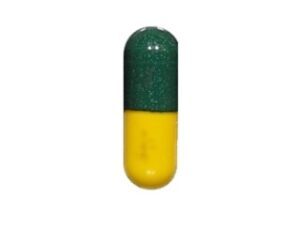
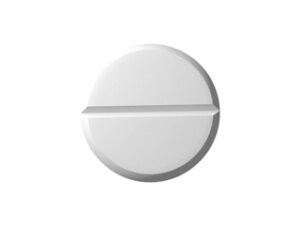
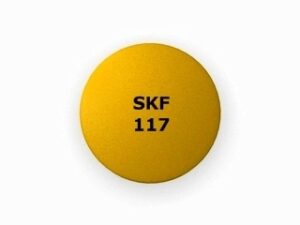
| Available Forms and Strengths | Oral tablets: 5 mg, 10 mg (occasional 15 mg, 30 mg strengths overseas) |
| Manufacturers | Generic manufacturers; Buspar previously by Bristol-Myers Squibb (Buspar branded product discontinued in Australia in 2014, generics available in some cases as compounded products) |
| Status | Prescription only (Schedule 4, S4 Medicine) |
Mechanism of Action
In simple terms: Buspirone (Buspar) helps to relieve symptoms of anxiety by balancing certain natural chemicals in the brain. Unlike benzodiazepines (e.g., Valium, Xanax), it is not sedating and does not cause withdrawal symptoms when stopped.
For healthcare professionals: Buspirone is a serotonin 5-HT1A partial agonist. It acts mainly on presynaptic and postsynaptic 5-HT1A receptors in the CNS, improving anxiolytic effects without significant depression of the central nervous system. It has weak affinity for dopaminergic D2 receptors and does not affect GABAergic neurotransmission, distinguishing it pharmacologically from benzodiazepines.
Pharmacokinetics
- Absorption: Buspirone is rapidly absorbed following oral administration, but undergoes substantial first-pass metabolism, resulting in lower systemic bioavailability (approx. 4%).
- Metabolism: Primarily hepatic via CYP3A4 enzymes. The main active metabolite is 1-(2-pyrimidinyl)piperazine (1-PP).
- Elimination: Excreted mainly through the urine (approx. 29–63%) and to a lesser extent via faeces.
- Duration of Action: Short half-life (approx. 2–3 hours), often requiring dosing 2–3 times daily.
Use in Everyday Life and Best Practices
- Indication: Short-term and long-term management of Generalised Anxiety Disorder (GAD) and related conditions where anxiety is predominant.
- How to take: Tablets are swallowed whole with water. The medicine should be taken at the same times each day to maintain steady levels in your body.
- Typical doses: Start at 5 mg two to three times daily, adjusted by your doctor as needed (usually up to a maximum of 60 mg per day in divided doses).
- Use in the UK/AU context: Buspirone is less commonly prescribed than SSRIs, with access via specialist review or when first-line treatments are unsuitable or leading to side effects. Discuss with your doctor or psychiatrist regarding suitability.
Dosing: Morning vs Evening
- Advantages of morning dosing: Helps keep symptoms under control throughout the day; may reduce risk of insomnia.
- Advantages of evening dosing: May be suitable if anxiety symptoms are worse at night; helps avoid drowsiness (although buspirone is generally not sedating).
- Tips on regularity: Take at the same time(s) each day. If doses are split, aim for consistent intervals (e.g., after breakfast and dinner).
Taking with Food or on an Empty Stomach
- Effect of meals: Taking buspirone with food can affect how much of the medicine is absorbed—more may be absorbed with food, and timing affects consistency in treatment.
- Best practice for Australians: To ensure stable response, always take your tablets either with food or always without food—do not switch back and forth. Discuss with your pharmacist how this fits with your typical meal patterns.
- English/Australian diet context: You do not need to avoid any specific foods, but grapefruit and grapefruit juice should be avoided (can affect metabolism).
Interaction Warnings
| Substance/Medication | Interaction | Advice |
| Alcohol | Potential additive effects (dizziness, drowsiness) | Avoid or limit consumption |
| Grapefruit juice | Increases buspirone blood levels significantly | Avoid while taking buspirone |
| Other CNS depressants (sedatives, sleep aids, benzodiazepines) | May increase sedation | Discuss with prescriber |
| SSRIs/SNRIs (e.g., sertraline, venlafaxine) | Possible pharmacodynamic interaction; rare risk of serotonin syndrome | Consult your doctor, do not combine unless prescribed |
| Antifungal agents (e.g., itraconazole, ketoconazole) | May increase buspirone levels (via CYP3A4 inhibition) | Altered dose or monitoring may be needed |
| Antibiotics (e.g., erythromycin) | Possible increase in buspirone levels | Consult your doctor |
| MAOIs (monoamine oxidase inhibitors) | Risk of severe reactions (hypertensive crisis, serotonin syndrome) | Should not be taken together |
Indications
| Indication | Official Approval (Australia) | Evidence/Notes |
| Generalised Anxiety Disorder (GAD) | Approved | First-line or alternative when other agents unsuitable |
| Short-term anxiety relief | Approved | Short-duration prescription only, not for immediate anxiety relief |
| Off-label: Social Anxiety Disorder | Not formally approved | Limited evidence, not routinely used |
| Off-label: Adjunct in depression | Not formally approved | Some studies, use only on specialist advice |
| Off-label: Premenstrual Syndrome (PMS) | Not approved | Research ongoing, not standard practice |
Dosing According to Clinical Indications
| Population | Condition | Initial Dose | Usual Dose Range | Maximum Dose |
| Adults | GAD or short-term anxiety | 5 mg twice daily | 15–30 mg per day (divided) | 60 mg/day |
| Elderly | GAD | 5 mg once/twice daily | Adjust slowly, monitor carefully | Lower maximums may be advised based on tolerability |
| Paediatric | Not routinely used | - | - | - |
Safety Profile & Side Effects
- Common side effects: Dizziness, headache, nausea, nervousness, light-headedness, dry mouth, sweating, restlessness.
- Uncommon/rare side effects: Blurred vision, sleep disturbance, skin reactions, confusion, muscle pain, chest pain.
- Warnings: Seek urgent medical advice for symptoms such as severe dizziness, fainting, confusion, jaundice (yellowing of skin or eyes), allergic reactions (swelling, rash, difficulty breathing).
| Side Effect | Frequency |
| Dizziness | Very Common |
| Headache | Common |
| Nausea | Common |
| Dry mouth | Common |
| Insomnia | Uncommon |
| Rash | Rare |
| Serotonin syndrome | Very Rare |
Guidelines for Proper Use
- Always follow your doctor’s or pharmacist’s instructions about how to take buspirone.
- Do not double up doses if you miss one; take the next one as scheduled.
- Steady, regular dosing helps maintain stable treatment benefit.
- Buspirone usually takes between 1–2 weeks to start easing anxiety symptoms; full effects may take 4–6 weeks.
- Do NOT stop suddenly without consulting your doctor (although withdrawal is minimal, symptom recurrence can occur).
- If you feel faint or dizzy, avoid driving or using heavy machinery until you feel better.
- Keep the medicine in a cool, dry place, out of reach of children.
- Have regular medication reviews with your GP or psychiatrist, especially if you have other health problems or take other medications.
Alternative Treatment Options
- SSRIs/SNRIs (e.g., sertraline, escitalopram, venlafaxine): First-line for chronic anxiety. Slower onset, possible sexual side effects, but covered by the Pharmaceutical Benefits Scheme (PBS).
- Benzodiazepines (e.g., diazepam, alprazolam): Effective for short-term anxiety or severe symptoms, risk of dependence, sedation, and adverse cognitive effects.
- Hydroxyzine (Atarax): Non-addictive antihistamine, effective for short-term anxiety, possible drowsiness.
- Pregabalin (Lyrica): Alternative for GAD when other therapies are unsuitable; may cause dizziness, weight gain.
- Psychological therapies (CBT, mindfulness): Strong evidence for benefit, often first-line or combined with medication.
- Herbal and OTC remedies: Not recommended except on healthcare professional advice due to variable evidence and possible interactions.
Comparative overview: Buspirone is preferred when avoidance of sedation, dependence (as with benzodiazepines), or sexual dysfunction (possible with SSRIs) is desired. It is not suitable for acute panic or for patients requiring rapid symptom control.
Legal, Registration, and Reimbursement Status in Australia
- Legal status: Prescription only (S4).
- ARTG Registration: Buspirone is registered on the Australian Register of Therapeutic Goods but branded Buspar is discontinued; generic supply is limited and may be obtained with a compound prescription or special order.
- PBS reimbursement: Currently not listed on the Pharmaceutical Benefits Scheme (PBS), so costs are privately borne unless supplied via public hospital schemes.
Latest Research and Clinical Guidance (2022–2025)
- Recent Australian and British guidelines suggest buspirone is appropriate for GAD if selective serotonin reuptake inhibitors (SSRIs) are not suitable or cause unwanted side effects (NICE 2023, RANZCP 2022, NPS MedicineWise 2024).
- Meta-analyses continue to confirm modest but real benefit versus placebo for chronic anxiety. Combination with SSRIs for augmentation is an emerging area but should only be prescribed by a specialist.
- Not recommended for panic disorder, specific phobias, or acute anxiety states.
- Research ongoing for off-label uses, including as adjunct in depression; evidence remains limited.
- References:
- NICE Guideline CG113 (2023 update): Generalised anxiety disorder and panic disorder in adults
- Royal Australian and New Zealand College of Psychiatrists (RANZCP) GAD Guidelines 2022
- Australian Prescriber 2024;47(2):42–46
Availability and Delivery
- Pack sizes: Typically supplied in packs of 30 or 60 tablets. Larger quantities may be available upon request with repeat prescription.
- Indicative price: AUD $27–$60 per 30 tablets (price varies by pharmacy and region; private script, not PBS subsidised).
- Delivery to major Australian cities:
| City | Standard Delivery Time | Express Delivery |
| Sydney | 1–2 business days | <24 hours (selected suburbs) |
| Melbourne | 1–2 business days | Same/next day |
| Brisbane | 1–3 business days | 1–2 days |
| Perth | 2–5 business days | 1–2 days (central areas) |
| Adelaide | 2–3 business days | 1–2 days |
| Regional areas | 3–7 business days | Variable |
FAQ – Frequently Asked Questions
- How long does it take for buspirone to start working?
Most people feel an improvement in anxiety symptoms within 1–2 weeks, with full benefit by 4–6 weeks. Continue taking as directed unless your doctor advises otherwise. - Can I drink alcohol while taking buspirone?
It is best to avoid alcohol, as it may increase drowsiness, dizziness, and the risk of adverse effects. Some people may tolerate small amounts, but always check with your doctor first. - Will buspirone make me sleepy or unable to drive?
Buspirone does not usually cause drowsiness like some anxiety medicines; however, dizziness or light-headedness are possible. If affected, avoid driving or operating machinery until you know how you respond. - What should I do if I miss a dose?
Take it as soon as you remember if it’s not too close to your next dose. If it is nearly time for your next dose, skip the missed dose—never double up. - Can I stop buspirone suddenly?
Buspirone is unlikely to cause serious withdrawal symptoms, but stopping suddenly may result in the return of anxiety symptoms. Always consult your doctor before changing the way you take your medicine.
For further advice, speak to your doctor, pharmacist, or mental health team. This information is a guide and does not replace medical consultation.