Levaquin (Levofloxacin): Patient Information for Australia
Basic Product Information
| International Non-Proprietary Name (INN) | Levofloxacin |
|---|---|
| Australian Brand Names | Levaquin, Tavanic, Levofloxacin Sandoz, Levoflox, others |
| ATC Code | J01MA12 |
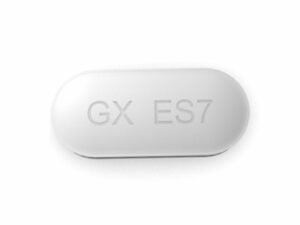
| Available Forms & Strengths | Tablets: 250 mg, 500 mg, 750 mg Oral Solution: 25 mg/mL (rare in AU) Injection (IV): 500 mg/100 mL, 750 mg/150 mL |
| Manufacturers | Janssen-Cilag, Sandoz, Apotex, Alphapharm, various generics |
| Prescription Status | Prescription only (Schedule 4 in Australia) |
What Is Levaquin (Levofloxacin) and How Does It Work?
Levaquin (levofloxacin) is a type of antibiotic belonging to the fluoroquinolone group. It is used to treat a wide range of bacterial infections in adults and, in special cases, children. Levofloxacin works by interfering with the bacteria’s ability to multiply and repair themselves, helping your body’s immune system to overcome infection.
Mechanism of Action
- Simply put: Levofloxacin blocks certain enzymes (DNA gyrase and topoisomerase IV) that bacteria need to grow and survive.
- For specialists: It inhibits bacterial DNA gyrase and topoisomerase IV, enzymes essential for DNA replication, repair, recombination, and transcription. This action leads to rapid bacterial cell death.
Pharmacokinetics
- Absorption: Well absorbed orally (bioavailability >99%). Peak blood levels seen 1-2 hours after ingestion.
- Distribution: Widely distributed into most tissues and fluids, including the lungs, sinuses, and urinary tract.
- Metabolism: Minimal liver metabolism; predominately remains unchanged in the body.
- Elimination: Mostly excreted unchanged in urine (about 80-87%).
- Half-life: Approximately 6-8 hours in healthy adults (longer in kidney impairment).
- Duration of Action: Once-daily dosing is usually effective for most infections due to its prolonged action.
Everyday Use and Best Practices
In Australia, levofloxacin is most often prescribed for moderate to severe bacterial infections, especially when other antibiotics are not suitable or have failed. Common uses include:
- Chest infections (e.g., pneumonia, bronchitis)
- Urinary tract infections, including kidney infections
- Skin and soft tissue infections
- Sinus infections
- Certain gastrointestinal infections
- Other severe infections as directed by a specialist
How to Use
- Take the tablet whole with a full glass of water. Do not crush or chew.
- It can be taken with or without food, but try to take it at the same time each day for consistency.
- Finish the entire prescribed course—even if you feel better—to prevent resistance.
- Do not skip doses. If you miss a dose, take it as soon as you remember (unless it’s nearly time for your next dose).
- Do not take double doses to make up for a missed dose.
Dosing in the Morning vs Evening
- Morning: Commonly recommended to help you remember your dose, and to reduce the chance of insomnia, a known side effect.
- Evening: May be convenient if morning doses are missed, but can sometimes interfere with sleep.
- Tip: Choose a time that best fits your daily routine, but aim for the same time each day. Using a smartphone alarm or medication reminder can be very helpful.
Taking With Food or on an Empty Stomach
Levofloxacin can be taken with or without food. In Australia, where meals may be high-fibre or include dairy, note:
- Food does not significantly change absorption, but dairy products, calcium, some mineral supplements, and antacids (containing magnesium, aluminium, or iron) can interfere and reduce effectiveness.
- Tip: If you need to take these, do so at least 2 hours before or after levofloxacin.
Interaction Warnings
| Type | Details & Advice |
|---|---|
| Antacids, sucralfate Calcium, iron, zinc supplements | Can greatly decrease absorption. Take levofloxacin at least 2 hours before or after these products. |
| Alcohol | Not strictly contraindicated, but can increase risk of side effects like dizziness or confusion. Best to avoid excessive alcohol intake. |
| NSAIDs (ibuprofen, diclofenac) | May increase risk of nervous system side effects (e.g., seizures). |
| Drugs prolonging QT interval (some heart/blood pressure medications, antiarrhythmics, antidepressants) | Combined use may increase risk of heart rhythm problems. Discuss with your doctor or pharmacist. |
| Steroids (prednisolone etc.) | Increases risk of tendon problems (tendinitis, rupture). |
| Warfarin and other blood thinners | Levofloxacin may enhance blood-thinning effect; regular monitoring of INR is needed. |
| Oral diabetes medicines, insulin | Rarely, can affect blood sugar levels (both up and down). Watch for hypo- or hyperglycaemia symptoms. |
Clinical Indications
| Indication | Official (TGA-approved) | Off-label (Specialist use) |
|---|---|---|
| Community-acquired pneumonia | ✓ | |
| Chronic bronchitis (acute exacerbation) | ✓ | |
| Complicated & uncomplicated urinary tract infections (UTIs) | ✓ | |
| Acute sinusitis | ✓ | |
| Skin and soft tissue infections | ✓ | |
| Prostatitis | ✓ | |
| Pyelonephritis | ✓ | |
| Tuberculosis (second-line) | ✓ | |
| Anthrax post-exposure prophylaxis | ✓ | |
| Other resistant infections (under specialist guidance) | ✓ |
Dosing According to Indications
| Condition | Adult Dose (standard renal function) | Duration | Pediatric/Elderly Notes |
|---|---|---|---|
| Community-acquired pneumonia | 500 mg once daily | 7-14 days | Paediatric use uncommon; elderly: consider dose adjustment in renal impairment |
| UTIs (complicated/uncomplicated) | 250-500 mg once daily | 3-10 days | As above |
| Acute sinusitis | 500 mg once daily | 10-14 days | Not generally recommended for children |
| Skin and soft tissue infection | 500 mg once daily | 7-14 days | Paediatric use uncommon |
| Anthrax post-exposure prophylaxis | 500 mg once daily | up to 60 days | Paediatric: specialist guidance required |
| Tuberculosis (second-line) | 500-750 mg once daily | variable | Specialist guidance only |
| Renal impairment | Dose adjustment required; pharmacist or doctor will guide according to your creatinine clearance/GFR. | ||
Safety Profile and Side Effects
| Frequency | Side Effects | Actions to Take |
|---|---|---|
| Common (>1%) | Nausea, diarrhoea, headache, dizziness, trouble sleeping (insomnia), rash, taste change | Usually mild and temporary. Tell your doctor if persistent or severe. |
| Uncommon | Joint/tendon pain, visual disturbances, palpitations, psychiatric symptoms (anxiety, confusion) | Contact your doctor if these occur. Stop medicine if tendon pain or swelling appears. |
| Rare but Serious | Seizures; severe allergic reaction (swelling, hives, throat tightness); tendon rupture; severe diarrhoea (possible C. difficile infection); irregular heartbeat; nerve symptoms (tingling, numbness) | Seek immediate medical help. Stop medicine right away if you suspect a serious reaction. |
| Warnings | Increased risk of tendon injury especially in patients over 60, on corticosteroids, or with kidney or lung transplants. Risk of nerve problems and changes in mood or behaviour. | Inform your healthcare provider of any unusual pain, swelling, tingling, weakness, or mood changes. |
Guidelines for Proper Use in Australia
- Don’t share this or other antibiotics with family or friends.
- Return unused medication to a pharmacist for safe disposal—do not flush or bin.
- Store packs away from heat and moisture, and out of reach of children.
- Let your doctor know if you have kidney problems, epilepsy, myasthenia gravis, history of tendon issues, or if you are pregnant or breastfeeding.
- If you experience tendon pain, stop the medication and see your doctor promptly.
- Take advantage of Australia’s My Health Record and PBS Medication Review for safe, optimised therapy.
Alternative Treatment Options in Australia
- Amoxicillin (+/- clavulanate): Often first-line for chest, sinus, and urinary infections.
- Cephalexin: Suitable for many skin and soft tissue infections.
- Doxycycline: Another oral option for respiratory and some urogenital infections.
- Nitrofurantoin: Preferred for simple lower UTIs.
- TMP-SMX (trimethoprim+sulfamethoxazole): For a range of infections, but check allergy status.
- Pros of alternatives: Fewer risks of tendon/nerve side effects, often more affordable, less impact on gut flora.
- Cons: May not cover resistant bacteria or severe infections where levofloxacin is needed; some alternatives not reimbursed for all indications.
Legal, Registration, and Reimbursement Status in Australia
- Regulatory authority: Therapeutic Goods Administration (TGA)
- Reimbursement: Available under the Pharmaceutical Benefits Scheme (PBS) for approved indications.
- Prescription: Prescription (Schedule 4) only—cannot be purchased over the counter.
- Specialist authority: Required for some uses, especially off-label or long-term prescriptions.
- Patient support: Medication Information Line (NPS Medicines Line) and My Health Record integration for safety.
Latest Research and Clinical Guidance (2022–2025)
- Australian guidelines (Therapeutic Guidelines: Antibiotic, updated 2023) recommend levofloxacin use only after other first-line agents have failed, or as directed by a specialist, due to safety concerns regarding tendons and nerves. [(Therapeutic Guidelines Limited, 2023)]
- Recent studies confirm levofloxacin's continued value in treating resistant pneumonia and complicated urinary tract infections, but emphasise short courses wherever possible (usually 5–7 days) to limit side effects. [(The Lancet Infectious Diseases, 2024)]
- New fluoroquinolone warnings (TGA, 2022–2023) highlight a small but significant risk of serious (sometimes permanent) nerve and tendon injury, especially in elderly patients, or when combined with steroids. Ensure patient consent and careful monitoring.
- No significant new evidence to change current safety guidance; ongoing global reviews are monitoring resistance patterns.
Availability and Delivery in Australia
| Pack Size | Strength | Form | Indicative PBS Price* | Availability |
|---|---|---|---|---|
| 5 tablets | 500 mg | Tablet | $19.14 (PBS prescription) | Most community and hospital pharmacies |
| 7 tablets | 500 mg | Tablet | $25.34 (PBS prescription) | Most community and hospital pharmacies |
| 10 tablets | 500 mg | Tablet | $32.95 (PBS prescription) | Specialist request/pharmacy order |
| 100 mL bottle | 500 mg/100 mL | IV infusion | Hospital setting | Available in all public hospitals |
*Prices can vary; concessional rates may apply. Private prices are usually higher.
| City | Typical Pharmacy Delivery Time |
|---|---|
| Sydney | Same day or next business day |
| Melbourne | Same day or next business day |
| Brisbane | Next business day |
| Perth | 2–3 business days |
| Adelaide | 1–2 business days |
| Regional Areas | 2–4 business days, depending on courier |
Please contact your pharmacy for specific stock checks and delivery arrangements.
Frequently Asked Questions (FAQ)
- Can I take levofloxacin for any infection?
No. Levofloxacin is reserved for moderate to severe infections where other antibiotics are unsuitable. It must only be used under medical advice. - What should I do if I develop pain in my tendons or muscles?
Stop taking levofloxacin and see your doctor as soon as possible. Avoid exercise or strenuous activity until you've been checked. - Can I drink alcohol while using levofloxacin?
Moderate alcohol is generally safe, but excessive consumption can increase side effects like dizziness or confusion. It's best to limit alcohol while taking antibiotics. - Is it safe during pregnancy or breastfeeding?
Levofloxacin is not recommended during pregnancy or breastfeeding except in special circumstances. Discuss all options with your doctor. - How should I store levofloxacin tablets?
Store at room temperature away from moisture and direct light, out of reach of children. Do not use after the expiry date.
This content is for general information only and does not replace individual medical advice. Speak to your doctor or pharmacist for personalised recommendations. In an emergency, call 000.