
Clindamycin: Comprehensive Patient Information for Australia
Basic Product Information
| International Non-proprietary Name (INN) | Clindamycin |
|---|---|
| Australia Brand Names | Dalacin C, Cleocin, ClindaTech, Clindatec, various generics |
| ATC Code | J01FF01 |
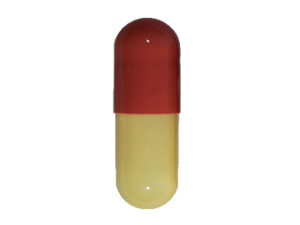
| Available Forms and Strengths |
|
| Manufacturers (Australia) | Pfizer Australia, Aspen Pharmacare Australia, Mayne Pharma, Sandoz, various generic manufacturers |
| Prescription Status | Prescription Only Medicine (Schedule 4) |
Mechanism of Action
Overview for Patients: Clindamycin is an antibiotic treatment that stops the growth of certain bacteria. It works by blocking bacteria from making proteins that are essential for their survival, thus helping your immune system clear the infection.
For Healthcare Professionals: Clindamycin is a lincosamide antibiotic. It inhibits bacterial protein synthesis by binding to the 50S subunit of the ribosome, impeding peptide chain initiation and elongation. It is mainly bacteriostatic but can be bactericidal at higher concentrations against susceptible organisms.
Pharmacokinetics
- Absorption: Clindamycin is rapidly and almost completely absorbed after oral administration. Food has minimal effect on the extent of absorption.
- Distribution: Widely distributed throughout body tissues, including bone, skin, and respiratory tract, but does not reach effective concentrations in cerebrospinal fluid.
- Metabolism: Mainly metabolised in the liver to active metabolites.
- Elimination: Excreted via urine and bile; small amounts unchanged in urine.
- Duration of Action: Half-life is usually 2–3 hours in adults; may be prolonged in patients with severe hepatic or renal impairment.
Use in Everyday Life and Best Practices
Clindamycin is often used in Australia for the treatment of skin and soft tissue infections, bone and joint infections, dental infections, acne, and sometimes as an alternative in those with penicillin allergy. It’s important to complete the full prescribed course even if you feel better, to prevent the development of antibiotic resistance.
- Typical adult oral doses: 150–450 mg every 6–8 hours
- Topical forms: Use as directed, usually once daily for acne or twice daily for bacterial skin infections
- Infections requiring injections: Your healthcare provider will administer these at appropriate intervals
Always follow your doctor or pharmacist’s advice on how long to use the medication. If you miss a dose, take it as soon as you remember unless it’s nearly time for your next dose. Never double-up doses.
Dosing in the Morning vs Evening
- Clindamycin is usually prescribed to be taken evenly spaced throughout the day — for example, every 6–8 hours.
- Morning doses: Easier to remember if you link them to breakfast or morning routines.
- Evening/night doses: May help maintain steady amounts in your body, but avoid taking last dose right before bed to reduce risk of stomach upset or oesophageal irritation.
- Set alarms/reminders for doses – regularity is important for effectiveness.
Taking With Food or on an Empty Stomach
- Clindamycin can be taken with or without food. In Australia, many patients find taking it after a meal or snack reduces stomach upset.
- Swallow capsules with a full glass of water to avoid throat irritation.
- Try to avoid lying down immediately after taking a dose, to further protect against stomach or throat discomfort.
- No need to modify a typical English/Australia diet; keep well hydrated during treatment.
Interaction Warnings
Some interactions can make side effects more likely or affect how well clindamycin works. Tell your pharmacist or doctor about all your medicines, including over-the-counter and natural supplements.
| Type | Interaction | Advice |
|---|---|---|
| Food | Minimal effect on absorption | Safe with or without food |
| Alcohol | No direct interaction | Best to avoid alcohol with antibiotics; alcohol may worsen stomach upset |
| Medications | Muscle relaxants (e.g. rocuronium, vecuronium) | May increase their effects |
| Erythromycin | Should generally not be used together; potential antagonism | |
| Vaccines (live, e.g. oral typhoid) | May reduce vaccine effectiveness | |
| Warfarin & blood thinners | Clindamycin can increase risk of bleeding; regular INR checks may be required |
Indications
| Indication | Formulation | Status |
|---|---|---|
| Bacterial skin and soft tissue infections | Oral, intravenous | Official (TGA registered) |
| Bone and joint infections (e.g. osteomyelitis) | Oral, intravenous | Official |
| Bacterial vaginosis | Vaginal cream, oral | Official |
| Acne vulgaris | Topical gel/solution | Official |
| Dental infections | Oral | Official |
| Pneumonia (anaerobic, aspiration) | Oral, intravenous | Official |
| Toxoplasmosis (in combination) | Oral, intravenous | Off-label |
| Malaria (multidrug regimens) | Oral | Off-label |
Dosing According to Clinical Indications
| Indication | Adults | Children | Elderly |
|---|---|---|---|
| Skin/soft tissue infection | 150–300 mg every 6–8 hrs (max 1.8g/day) | 8–20 mg/kg/day in 3–4 divided doses | Same as adults, consider kidney/liver function |
| Bone & joint infection | 600–1,200 mg intravenously per day in 2–4 divided doses | 20–40 mg/kg/day in divided doses | As above, with monitoring |
| Acne (topical) | Apply thinly once-twice daily | As above | As above |
| Bacterial vaginosis | 2% cream: one full applicator (5g) at night for 7 days | Not routinely recommended | Same as adults |
| Dental infections | 300 mg every 8 hrs for 5–7 days | Children: As per doctor’s guidance | As above, with dose adjustment if needed |
Note: The above dosages are general guidelines; always follow your doctor’s individual advice. Dosage adjustments may be necessary in severe kidney or liver disease.
Safety Profile and Side Effects
| Frequency | Side Effect | Recommendation |
|---|---|---|
| Common (1–10%) | Nausea, vomiting, diarrhoea, abdominal pain, rash | Usually resolve on stopping; stay hydrated |
| Less common (<1%) | Metallic taste, irritation at injection site (IV/IM), thrush (mouth or vagina) | Report to GP/pharmacist if persistent |
| Rare | Allergic reaction (hives, swelling, breathing difficulty), severe diarrhoea or bloody stools (signs of colitis) | Stop and seek urgent medical help |
| Very rare | Jaundice, severe skin reactions (Stevens-Johnson syndrome) | Urgent hospital assessment needed |
Important: Clindamycin can cause a rare but serious intestinal condition (Clostridioides difficile-associated diarrhoea). If you develop severe or bloody diarrhoea, stop taking the medicine and contact your doctor immediately.
Guidelines for Proper Use
- Take the medicine at evenly spaced times to keep a constant level in your bloodstream.
- Always use the medicine for the full duration prescribed, even if symptoms improve early.
- Inform your pharmacist or doctor about any allergies, particularly to antibiotics.
- Store capsules at room temperature, away from moisture and heat.
- Dispose of unused/expired antibiotics through your pharmacy’s medicine return service in line with Australia National Return and Disposal of Unwanted Medicines (NatRUM) guidelines.
- If using topical preparations, wash hands before and after application, and avoid contact with eyes and mouth.
Alternative Treatment Options
- Penicillin-class antibiotics (e.g. flucloxacillin, amoxicillin): Highly effective for common infections but not suitable for those with severe allergy.
- Erythromycin, clarithromycin (macrolides): Suitable alternatives particularly in skin or dental infections, but can interact with more other medicines.
- Metronidazole: Often combined with clindamycin or used alone for certain infections (e.g. dental, pelvic infections).
- Doxycycline/minocycline: For acne and respiratory infections; not ideal in pregnancy or for very young children.
- Cefalexin: Another possible alternative for skin and soft tissue infections.
The best alternative varies by infection type and patient factors—even more alternatives are available for those with specific allergies or intolerances. Many of these antibiotics are reimbursed through the PBS (Pharmaceutical Benefits Scheme) in Australia.
Legal, Registration, and Reimbursement Status in Australia
- Registered by: Therapeutic Goods Administration (TGA)
- Prescription Status: Schedule 4 (Prescription Only Medicine)
- Reimbursement: Most forms are subsidised on the Pharmaceutical Benefits Scheme (PBS) when prescribed for approved indications.
- Pharmacy Dispensing: Only available at registered pharmacies, with a valid script from a healthcare professional.
- Disposal: Subject to NatRUM guidelines for proper environmental protection.
Latest Research and Clinical Guidance (2022–2025)
- Australian Therapeutic Guidelines: Antibiotic (2023) continues to recommend clindamycin for penicillin-allergy patients with skin, bone, joint, and dental infections; however, use is cautioned due to risk of Clostridioides difficile infection.
- The MJA (2024) highlights the importance of monitoring gastrointestinal side effects and using the shortest effective course.
- International data confirms clindamycin’s continued effectiveness for community-acquired MRSA in skin/soft tissue infections (BMJ, 2023).
- Emerging research (Lancet ID, 2024) stresses judicious use and highlights new warnings about potential for cross-resistance with other antibiotics.
Availability and Delivery
Clindamycin is widely available at Australian pharmacies, both as a brand and in generic forms. Most oral and injectable forms are kept in stock; topical preparations may require ordering at some locations.
| Pack Size | Typical PBS Price* | Availability | Indicative Delivery Times |
|---|---|---|---|
| Capsules, 20 (150 mg each) | $17–21 | High | Sydney: Same-day Melbourne: 1 day Brisbane: 1–2 days Adelaide/Perth: 2 days Regional: 2–5 days |
| Oral solution, 100 mL | $18–22 | Moderate | As above |
| Injection, 4 x 2 mL vials | $24–29 | Moderate | Hospital & major city pharmacies: 1–2 days |
| Topical gel, 30 g | $12–16 | Good | 1–3 days |
* Actual patient co-payment and price may vary depending on PBS status, concession card, or private script.
Frequently Asked Questions (FAQ)
1. What should I do if I miss a dose?
Take the missed dose as soon as you remember, unless it’s close to your next dose. Don’t double up. Continue with your usual schedule.
2. Can I drink alcohol while taking clindamycin?
There’s no direct interaction, but alcohol can increase stomach upset. Limiting or avoiding alcohol while on antibiotics is generally recommended.
3. How long does it take for clindamycin to work?
Many people begin to feel better within 2–3 days, but you must finish the entire prescribed course to fully clear the infection and reduce the risk of resistance.
4. Is it safe to take clindamycin if I have a penicillin allergy?
Yes, clindamycin is commonly prescribed for people with penicillin allergies. Let your doctor know about all your drug allergies to ensure the safest choice.
5. What should I do if I experience diarrhoea while taking clindamycin?
Mild loose stools are common, but if diarrhoea is severe, persistent, or contains blood, stop taking the medicine and contact your doctor urgently. This may signal a rare but serious intestinal infection.
Always consult your Australian GP, pharmacist, or specialist for tailored health advice. If you need more information, refer to the Therapeutic Goods Administration (TGA) or NPS MedicineWise for evidence-based guidance.