Efudex (Fluorouracil): Comprehensive Patient Information for Australia
Basic Product Information
| International Nonproprietary Name (INN) | Fluorouracil |
|---|---|
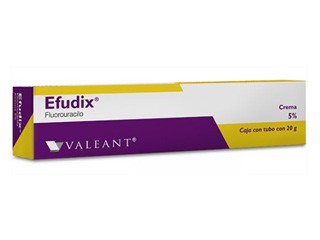
| Australian Brand Names | Efudex, Carac, Fluoroplex, 5-FU |
| ATC Code | L01BC02 |
| Available Forms & Strengths | Topical cream (5% w/w), topical solution (2% or 5% w/v); injectable forms only for hospital use |
| Manufacturers | Valeant Pharmaceuticals, Mayne Pharma, generic manufacturers |
| Prescription Status Australia | Prescription only (Schedule 4 - S4) |
Mechanism of Action
For Patients: Efudex contains fluorouracil, which works by targeting abnormal skin cells that grow too fast (like those causing sunspots or early skin cancer), stopping their growth and helping the body shed them naturally.
For Healthcare Professionals: Fluorouracil is a pyrimidine antimetabolite. It inhibits thymidylate synthase, blocking the synthesis of thymidine, and thus DNA replication and cell division. This selectively affects rapidly dividing dysplastic and neoplastic keratinocytes while sparing most healthy skin.
Pharmacokinetics
- Absorption: Topical use leads to minimal systemic absorption; more pronounced in areas of thin or eroded skin.
- Metabolism: Primarily metabolised in the liver by dihydropyrimidine dehydrogenase (DPD).
- Elimination: Metabolites are excreted mainly via urine.
- Duration of Action: Local effects are evident during treatment and for up to 2 weeks post-cessation, as abnormal skin cells are shed.
Use in Everyday Life & Best Practices (Australia Context)
Efudex is most commonly used in Australia to treat actinic (solar) keratosis, a common pre-cancerous skin condition due to high sun exposure, and certain types of superficial basal cell carcinoma.
- Where to Apply: Only to affected areas, as directed by your doctor or pharmacist.
- How Often: Once or twice daily, typically for 2–6 weeks, depending on your condition and the treatment area.
- Application: Use clean hands or a non-metal applicator. Wash hands thoroughly after use unless treating the hands directly.
- Sun Protection: Sensitive, healing skin is susceptible to sunburn—wear hats, cover up, and use SPF 50+ sunscreen as appropriate.
- Avoid: Eyes, nostrils, mouth, and broken skin unless specifically instructed.
Always read the packaging and follow your prescriber’s advice. If you forget a dose, apply it as soon as you remember, but skip if your next scheduled application is soon.
Dosing in the Morning vs Evening
- Morning pros: Allows monitoring for irritation throughout the day; easier to combine with daily routines.
- Evening pros: Reduces sun exposure risk post-application; lessened embarrassment from visible redness or scabbing at work or social events.
- Disadvantages: Night application may rub off on bed linen; day application increases risk of sun sensitivity. Some patients find twice-daily (morning + evening) best.
Consistency is key: Apply Efudex at the same time(s) each day to maintain steady therapeutic effects. Discuss your routine and preferences with your prescriber.
Taking With Food or on an Empty Stomach
Efudex is a topical product; its absorption is not influenced by meals. However, it should be applied to clean, dry skin. No special dietary precautions are necessary for most Australian patients.
Interaction Warnings
| Interaction | Advice for Patients |
|---|---|
| Other topical products (e.g. creams, ointments, cosmetics) | Avoid simultaneous application; wait 2 hours before using other products on treated areas. |
| Alcohol (topical or oral) | No direct interaction, but topical alcohol may irritate skin further. Limit intake if concerned about impaired wound healing. |
| Photosensitising drugs (e.g. some antibiotics, NSAIDs) | Caution, as Efudex increases skin sensitivity to sunlight. Use additional sun protection. |
| Immunosuppressants | Discuss with your doctor, as altered skin healing may occur. |
| Warfarin and other anticoagulants (injectable 5-FU only) | Normally not a concern for topical Efudex, but inform your doctor if using multiple medicines. |
Indications
| Indication | Status |
|---|---|
| Actinic (solar) keratosis | Approved, on-label (TGA) |
| Superficial basal cell carcinoma | Approved, on-label (TGA) |
| Bowen’s disease (cutaneous squamous cell carcinoma in situ) | Off-label, supported by guidelines |
| Warts (recalcitrant, viral) | Off-label, less common |
Dosing According to Clinical Indications
| Condition | Adult Dose | Paediatric Dose | Elderly Dose |
|---|---|---|---|
| Actinic keratosis | Apply thinly 1–2 times daily for 2–4 weeks | Use not routinely recommended; exceptional circumstances only | As adult; monitor for increased irritation |
| Superficial BCC | Apply thinly 1–2 times daily for 3–6 weeks | Use not established; specialist only | As adult; increased risk of irritation |
| Bowen’s disease | Apply 1–2 times daily for 4–6 weeks (off-label) | Specialist decision | As adult |
Safety Profile and Side Effects
- Very common (over 10%):
- Redness, inflammation, crusting
- Burning or stinging on application
- Skin scaling, dryness, or soreness
- Uncommon:
- Temporary changes to skin colour (hyperpigmentation or lighter patches)
- Photosensitivity (increased skin reaction to sunlight)
- Rare (<1%):
- Allergic skin reactions (severe rash, blistering, ulceration)
- Systemic absorption effects (very rare, possible if large areas/compromised skin—seek medical advice)
- Warnings: Not for use during pregnancy/breastfeeding unless clearly indicated; not for use on mucous membranes or extensively broken skin; avoid with known dihydropyrimidine dehydrogenase deficiency.
Guidelines for Proper Use (Australia Conditions)
- Discuss treatment days and lifestyle factors during your pharmacy or clinic visit.
- Apply after showering, once skin is dry.
- Do not cover with impermeable dressings unless advised by your doctor.
- Expect skin to look worse before it gets better—this is a sign the medicine is working.
- Visit your GP or skin specialist if you have excessive pain, pus, fever, or if lesions do not heal as expected.
- Dispose of any unused medication as instructed by your pharmacist (do not flush down the toilet).
- Return for follow-up as advised—most treatments are reviewed after 2–4 weeks.
Alternative Treatment Options (Australia)
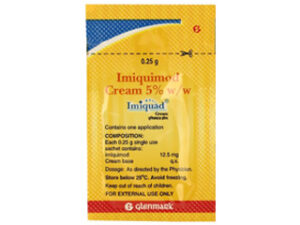
- Imiquimod cream (Aldara, Apo-Imiquimod): Used for actinic keratoses and superficial BCC; stimulates local immune response. Pro: Sometimes shorter duration, alternative for those intolerant to fluorouracil. Con: More systemic “flu-like” side effects possible.
- Ingenol mebutate gel (Picato): Withdrawn from market due to safety concerns.
- Cryotherapy (freezing): Simple, in-clinic, effective for individual lesions but not large areas.
- Photodynamic therapy: Specialist procedure using light-activated medication; more expensive but appropriate for larger areas.
- Other topical therapies: Diclofenac gel, retinoids (less common in Australia).
All eligible PBS (Pharmaceutical Benefits Scheme) treatments require prescription—check subsidy status and discuss with your prescriber.
Legal, Registration, and Reimbursement Status in Australia
- TGA Registration: Efudex and generics are registered by the Therapeutic Goods Administration for topical use in Australia.
- Prescription: Required—classified as Schedule 4 medication.
- Reimbursement: PBS-subsidised for specified conditions (e.g. actinic keratoses, superficial BCC). Ask your GP or pharmacist for PBS details.
Latest Research and Clinical Guidance (2022–2025)
- Recent Australian and international guidelines (Cancer Council Australia, British Association of Dermatologists) confirm fluorouracil as a first-line topical for sun-induced pre-cancers and certain skin cancers. (Cancer Council Australia, 2024)
- No new major safety concerns reported; effectiveness remains high, particularly when combined with regular skin checks and sun protection.
- New data supports twice-daily vs once-daily use for moderate to severe actinic keratoses, and confirms importance of patient adherence for best cosmetic and clinical results. (Leiter U, et al. "Long-term efficacy of topical 5-FU in actinic keratosis." Br J Dermatol. 2023.)
Availability and Delivery
| Pack Size | Typical PBS Price | Private Price Range | Delivery (Sydney/Melbourne/Brisbane/Perth/Adelaide) |
|---|---|---|---|
| Efudex 5% cream 20g | $6.80* (concession) | $25–$40 | 1–3 working days (metro areas); 2–5 days for regional/rural |
| Efudex 5% cream 40g | $13.50* (general) | $50–$65 | 1–3 working days (metro areas); 2–7 days for rural/remote |
(*2024 indicative prices; check PBS website and pharmacy for current pricing/public entitlements.)
Frequently Asked Questions (FAQ)
- Q: What will my skin look like during treatment?
A: Expect redness, soreness, scabbing, and some oozing—skin may look worse before it heals. This is normal and shows treatment is working. - Q: Can I go out in the sun while using Efudex?
A: Skin will be extra sensitive; avoid direct sun, wear hats, use SPF 50+ sunscreen, and cover the treated area as much as possible. - Q: What if I miss a dose?
A: Apply as soon as remembered. If nearly time for the next dose, do not double up—just continue the regular schedule. - Q: Will I need a repeat course?
A: Some patients need more than one course, especially for badly sun-damaged skin. Your doctor will advise periodically based on healing and risk factors. - Q: Is it safe for children/pregnant women?
A: Efudex is not routinely recommended for children or during pregnancy/breastfeeding—use only as specifically directed by a specialist.
Always consult your healthcare professional for personalised advice. The information above is intended for general educational purposes and should not replace qualified medical guidance.