Betamethasone – Comprehensive Patient Information for Australia
Basic Product Information
| International Non-Proprietary Name (INN) | Betamethasone |
|---|---|
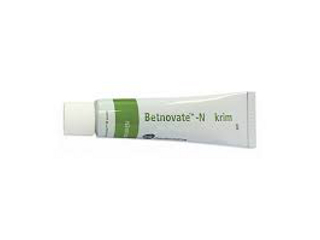
| Common Australia Brand Names | Celestone®, Betnovate®, Diprosone®, Betaderm® |
| Anatomical Therapeutic Chemical (ATC) Code | H02AB01 (systemic use), D07AC01 (topical use) |
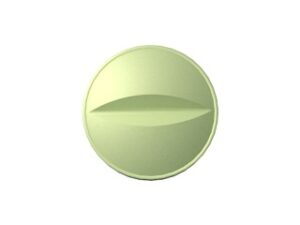
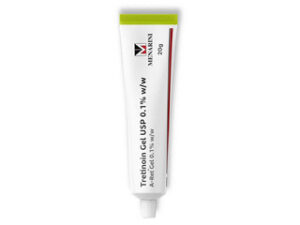
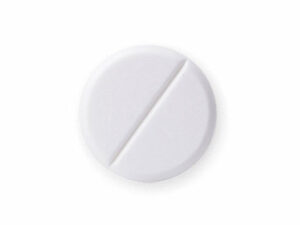
| Available Forms & Strengths |
|
| Manufacturers |
|
| Prescription Status | Prescription only (S4 – Schedule 4 under Australian law) |
Mechanism of Action
For Patients: Betamethasone is a potent corticosteroid medicine. It works by reducing inflammation, swelling, itching, and allergic reactions in the body. When applied to the skin, taken by mouth, or given by injection, it helps manage a wide range of conditions caused by an overactive immune response.
For Specialists: Betamethasone binds to glucocorticoid receptors, modulating gene transcription and suppressing the release of inflammatory mediators such as prostaglandins, leukotrienes, and cytokines. This leads to immunosuppression, decreased capillary permeability, and anti-proliferative effects on immune cells.
Pharmacokinetics (What Happens in Your Body)
- Absorption: Well-absorbed orally; systemic absorption also occurs through intact or damaged skin and mucous membranes.
- Metabolism: Primarily metabolised by the liver.
- Elimination: Mainly via kidneys (urine), as inactive metabolites.
- Duration of Action: Long-acting; half-life (systemic) is approximately 36–54 hours.
Use in Everyday Life and Best Practices
- Tablets/Injections: Usually prescribed for inflammatory or autoimmune conditions (e.g., severe asthma, arthritis, allergies).
- Creams/Ointments: Commonly used for eczema, dermatitis, psoriasis, or insect bites.
- Best Practices:
- Follow doctor’s instructions on dose and duration exactly.
- Use the lowest effective dose for the shortest necessary time to reduce side effects.
- Do not stop suddenly if taking by mouth or injection for more than 2 weeks—seek professional advice.
Dosing: Morning vs Evening
Morning Dosing:
- Generally preferred for oral and injectable forms, as it matches your body’s natural cortisol production and may reduce risk of side effects (e.g., insomnia, upset stomach).
- Helps maintain a routine and reduce risk of missing doses.
Evening Dosing:
- Less commonly recommended except for certain conditions (as directed by a specialist).
- Can sometimes worsen insomnia or disrupt hormonal balance.
Tips:
- Take at the same time each day.
- Set a daily reminder or use a pill box for consistency.
Taking With Food or on an Empty Stomach
- Tablets/Injections: Can be taken with or without food, but taking with food or milk can help reduce stomach upset.
- Ointments/Creams: Apply to clean, dry skin as instructed by your pharmacist or doctor.
- No specific interactions with the typical English (AU) diet, but excessive salt intake should be avoided to reduce risk of blood pressure elevation.
Interaction Warnings
| Type | Interaction | Advice |
|---|---|---|
| Alcohol | May increase risk of stomach irritation, ulcers, and GI bleeding | Limit alcohol use, especially with long-term oral use |
| Foods | High salt diets can worsen fluid retention and blood pressure | Maintain a moderate-salt, well-balanced diet |
| Medications | May interact with warfarin, certain anti-diabetic agents, vaccines, antifungals (e.g., ketoconazole), rifampicin, some HIV drugs | Inform your doctor/pharmacist of all medicines you use |
Indications (What Is Betamethasone Used For?)
| Indication | Route of Administration | On-label/Off-label |
|---|---|---|
| Allergic reactions (severe) | Oral, injection | On-label |
| Asthma exacerbation | Oral, injection | On-label |
| Rheumatic disorders (e.g., rheumatoid arthritis) | Oral, injection | On-label |
| Skin diseases (eczema, dermatitis) | Topical | On-label |
| Psoriasis | Topical | On-label |
| Ulcerative colitis/Crohn’s (flare management) | Oral, injection | Off-label |
| Gout flare | Oral, injection | Off-label |
| Cerebral oedema (certain cases) | Injection | On-label |
| Autoimmune diseases (e.g., lupus) | Oral, injection | On-label |
Dosing According to Clinical Indications
| Condition | Typical Adult Dose | Pediatric Dose | Elderly Considerations |
|---|---|---|---|
| Acute asthma/severe allergies | 0.5–5 mg orally once daily, or as single injection | 0.017–0.25 mg/kg/day (max 6 mg/day) | Start at lower end; monitor closely for side effects |
| Rheumatic/Autoimmune disorders | 0.5–2 mg daily (oral), or by injection | Individually adjusted | Use lowest effective dose |
| Dermatological (cream/ointment) | Apply thinly to affected area 1–2 times per day | Apply as directed, avoid prolonged use | Skin may be more fragile, use with caution |
| Cerebral oedema | 4–8 mg by injection every 6–12 hours | Specialist dosing | Close medical supervision required |
Safety Profile / Side Effects
- Common Side Effects: Mild stomach upset, indigestion, mood changes (euphoria or depression), increased appetite, difficulty sleeping, swelling or fluid retention, weight gain (with long-term use)
- Occasional Side Effects: Easy bruising, delayed wound healing, increased susceptibility to infection, skin thinning (topical), skin irritation or burning
- Rare but Serious Risks: High blood sugar/diabetes, osteoporosis, adrenal suppression, Cushing’s syndrome (with excess/prolonged dosing), serious allergic reactions
| Warning | Description |
|---|---|
| Immunosuppression | Increased risk of infections; avoid live vaccinations during therapy |
| Long-term use | Risk of osteoporosis, adrenal insufficiency, glaucoma, cataracts |
| Pediatrics | Potential growth delay with prolonged systemic or strong topical use |
| Pregnancy/Breastfeeding | Use only if benefits outweigh risks; consult your specialist |
Guidelines for Proper Use – Australia Context
- Carefully follow your doctor’s, specialist’s and pharmacist’s instructions.
- Do not share this medicine, even with people who have similar symptoms.
- For cream/ointment: Apply a thin layer only to affected skin. Avoid prolonged use, particularly on the face, genitals, or skin folds.
- If you miss a dose, take it as soon as possible—unless it’s almost time for your next dose. Never double up.
- Return any unused injectable or outdated medication to your chemist for safe disposal.
- Speak to your GP or pharmacist before getting vaccinated while on betamethasone, especially with live vaccines (e.g., yellow fever, measles-mumps-rubella).
Alternative Treatment Options (PBS Listed Drugs)
- Hydrocortisone: Less potent, suitable for mild inflammation. Fewer side effects, especially for skin use.
- Prednisolone/Prednisone: Widely used for systemic conditions, available in Australia on prescription; commonly alternative to betamethasone for oral/injectable needs.
- Mometasone, Fluticasone: Potent topical corticosteroids for dermatological indications.
- Non-steroidal anti-inflammatory drugs (NSAIDs): Sometimes used for pain/inflammation in arthritis, but less effective for severe immune conditions. May not control severe allergic or autoimmune activity.
Pros of Alternatives: Lower risk of side effects with milder steroids; prednisolone may be preferred for some systemic uses.
Cons of Alternatives: Not always as potent, may not be appropriate for every patient or condition.
Legal, Registration, and Reimbursement Status in Australia
- Regulatory Approval: Registered with the Therapeutic Goods Administration (TGA) for both systemic and topical use.
- Reimbursement: Many forms and strengths listed on the Pharmaceutical Benefits Scheme (PBS) when prescribed for eligible conditions.
- Legal Category: Prescription only (Schedule 4 – S4).
Latest Research & Clinical Guidance (2022–2025)
- Latest local guidelines (e.g., Therapeutic Guidelines Australia 2023) reinforce using lowest effective dose and limiting treatment duration, especially for systemic use.
- For atopic eczema, betamethasone dipropionate is strongly recommended for moderate-to-severe episodes, but with emphasis on stepping down potency as soon as possible (Smith et al., Med J Aust, 2023).
- Topical formulation safety studies confirm good tolerability when used as directed; however, recurrence of skin thinning and local side effects underline the importance of specialist review for long-term management (Jones et al., Australas J Dermatol, 2024).
- Systemic use in COVID-19 patients is generally replaced by dexamethasone due to larger evidence base, but betamethasone may still be considered in special circumstances (NHMRC 2024).
- Pediatric use requires specialist input due to heightened sensitivity to side effects (Royal Children's Hospital Clinical Practice Guidelines, 2023).
Availability and Delivery – Australia
| Form | Typical Pack Sizes | Indicative PBS Price | Approx. Delivery (Sydney) | Approx. Delivery (Melbourne) | Approx. Delivery (Brisbane) | Approx. Delivery (Perth) |
|---|---|---|---|---|---|---|
| Tablets (0.5 mg) | 30, 100 | $15–$30 (with Medicare card)* | 1–2 days | 1–2 days | 2–3 days | 3–5 days |
| Cream/Ointment (0.05%) | 15g, 30g, 50g | $7–$18 (PBS)* | 1 day | 1 day | 2 days | 3 days |
| Injection (4 mg/mL) | 1, 5 ampoules | $18–$38* | 1–2 days | 1–2 days | 2–3 days | 3–5 days |
*All prices are indicative and may vary for non-PBS/private prescriptions.
Frequently Asked Questions (FAQs)
- Can I drink alcohol while using betamethasone?
It's best to limit alcohol to reduce risk of stomach irritation, indigestion, or gastrointestinal bleeding, especially if using oral or injected betamethasone. - Is it safe to use betamethasone cream on my face?
Only use on the face if specifically advised by a healthcare professional, as the skin is more sensitive and long-term use can cause thinning. - How quickly will I see improvement after starting betamethasone?
Many people notice some relief within a few days—a week for skin symptoms; improvements for other conditions vary depending on severity and location. - Can I use betamethasone during pregnancy or when breastfeeding?
Only use under specialist supervision; benefits must be weighed against risks. Short courses of mild-to-moderate topical use may be considered safe, but discuss all medication use with your doctor. - What should I do if I miss a dose?
Take it as soon as you remember. If it's nearly time for your next dose, skip the missed one—never double up.
Always consult your doctor, pharmacist, or nurse before starting, stopping, or changing your betamethasone treatment. For more information, visit NPS MedicineWise or TGA Australia.