Aczone (Diaminodiphenyl sulfone): Patient-Friendly Information for Australia
Basic Product Information
| International Nonproprietary Name (INN) | Diaminodiphenyl sulfone (commonly called Dapsone) |
|---|---|
| Australian Brand Names | Aczone®, Dapsone Alphapharm® |
| Anatomical Therapeutic Chemical (ATC) Code | D10AX05 (for topical preparations), J04BA02 (for oral use) |
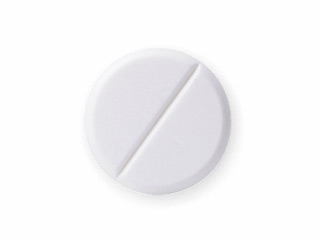
| Available Forms & Strengths | Gel 5% (most common in Australia for acne), Tablets 50 mg and 100 mg (mainly for oral use in leprosy and dermatitis herpetiformis) |
| Manufacturers | Allergan Australia, Alphapharm (Mylan), various generic manufacturers |
| Prescription Status | Prescription only (Schedule 4, S4, Prescription Medicine) |
Mechanism of Action
For patients: Aczone (Dapsone) works by reducing inflammation and killing certain bacteria that contribute to skin problems such as acne. When applied as a gel, it targets the skin's upper layers to help control breakouts and calm redness.
For specialists: Dapsone is a sulfone antibiotic with anti-inflammatory properties. Its primary mechanism includes inhibition of bacterial dihydropteroate synthase, impairing folic acid synthesis. It also reduces neutrophil chemotaxis and suppresses the oxidative burst, explaining its utility in inflammatory dermatoses beyond bacterial infections.
Pharmacokinetics
- Absorption: Topical gel is minimally absorbed (<1% systemic absorption), reducing risk of systemic side effects. Oral formulations are well-absorbed (70–80%).
- Metabolism: Hepatic, primarily via acetylation and hydroxylation (CYP2E1, CYP2C9 pathways).
- Elimination: Renal (mainly), also some biliary excretion. Half-life (oral): approx. 20–30 hours.
- Duration of action: Topical effect lasts >12 hours; oral dosing is usually once daily due to long half-life.
Use in Everyday Life & Best Practices
- Common uses: Aczone gel is best known for treating inflammatory acne in teenagers and adults. Oral pills are reserved for rare conditions such as leprosy and dermatitis herpetiformis.
- Typical doses:
- Gel: Apply a thin layer (pea-sized amount) to affected area(s) once or twice daily as directed. Wash hands before and after use.
- Oral: Typical doses range from 50–100 mg once daily, always under specialist supervision.
- Contextual advice (Australia): Aczone gel can be used alongside non-comedogenic moisturisers. Avoid heavy sunscreens or occlusive makeup on treated areas. Australians with outdoor lifestyles should use SPF30+ sunscreen, as dapsone will not increase sun sensitivity directly, but keeping acne lesions protected from sunburn is beneficial.
Dosing in the Morning vs Evening
Gel: Aczone gel can be applied morning, evening, or both according to your prescription. Choosing the same time daily improves habit and effectiveness. Morning application is suitable for those who follow a morning skincare routine, whereas evening use can suit those avoiding makeup interference. For twice-daily use, apply at roughly 12-hour intervals.
- Morning Pros: Fresh, clean skin; fits with AM routines.
- Evening Pros: No risk of interaction with makeup or sunscreen; applied to clean skin after the day.
- General Tip: Choose a time that matches your routine and ensure skin is clean before application.
Oral: Take once daily—morning is preferable for consistent administration.
Taking with Food or on an Empty Stomach
- Gel: Food does not affect absorption. Apply to clean, dry skin, usually after washing your face; wait a few minutes after washing to ensure skin is dry before applying.
- Oral: Can be taken with or without food. Taking dapsone with food may reduce stomach upset, a useful option for those with sensitive digestion. As typical in English diets, a glass of water with your morning or evening meal is recommended.
Interaction Warnings
| Substance | Effect | Advice |
|---|---|---|
| Alcohol | No major interaction with topical form; oral dapsone may rarely worsen side effects with excessive use. | Limit excessive alcohol consumption. |
| Trimethoprim, Rifampicin | May alter dapsone levels and cause haematological side effects. | Avoid unless advised by specialist. |
| Antacids | No major interaction with gel; oral form oral absorption unaffected. | No special precautions. |
| Sulfonamides, Other antibiotics | May enhance risk of blood disorders. | Inform your doctor of all ongoing treatments. |
| Foods (incl. English/Australian diet) | No noted dietary interactions. | Follow usual healthy eating; no restrictions for topical use. |
Indications
| Indication | Status (Australia) | Notes |
|---|---|---|
| Moderate to severe acne vulgaris | Official (TGA-approved, PBS-reimbursed in some cases) | Topical gel 5% |
| Leprosy (Hansen's disease) | Official, oral only | Specialist care, often in combination with other medicines |
| Dermatitis herpetiformis | Official, oral only | Rare, under strict specialist oversight |
| Off-label: Hidradenitis suppurativa, granulomatous dermatoses | Off-label | Specialist initiation only |
Dosing According to Clinical Indications
| Indication | Form | Adults | Children (≥12 years) | Elderly |
|---|---|---|---|---|
| Acne vulgaris | Topical gel | Apply thin layer once or twice daily | Same as adults | Same as adults |
| Leprosy | Oral tab | 100 mg once daily | 1–2 mg/kg (max 100 mg daily) | Caution with comorbidities |
| Dermatitis herpetiformis | Oral tab | 50–100 mg once daily | Specialist advice | Reduce dose if renal impairment |
Safety Profile & Side Effects
- Topical gel (most common):
- Common: Mild skin dryness, redness, itching, or oiliness at the site of application. Usually self-limited.
- Rare: Skin discolouration (yellow, orange), contact dermatitis, localised skin irritation.
- Warnings: Avoid application to broken skin, eyes, or mouth; wash hands after use.
- Oral:
- Common: Headache, nausea, blurred vision, rash.
- Serious/Rare: Blood disorders (such as haemolytic anaemia or methemoglobinemia, particularly in G6PD-deficient individuals), peripheral neuropathy.
- Warning: Regular blood monitoring is required for oral dapsone—only used under a clinician's care.
| Side Effect | Frequency | What to Do |
|---|---|---|
| Dryness / Redness | Common | Apply a mild, non-comedogenic moisturiser |
| Scaling / Peeling | Common | Reduce frequency or pause, consult pharmacist |
| Severe rash, jaundice | Very rare | Stop medicine, seek urgent medical attention |
| Shortness of breath | Very rare (mainly oral) | Seek medical attention |
| Other symptoms not listed | -- | Discuss with your pharmacist or GP |
Guidelines for Proper Use
- Wash hands before and after application (gel).
- Apply to clean, dry skin; avoid contact with eyes or inside of nose/mouth.
- Do not apply thick layers—more does not mean faster results.
- See your GP or pharmacist if side effects are persistent, or for worsening skin reactions.
- For oral use, take at the same time each day; never exceed the prescribed dose.
- Store at room temperature (do not freeze gel).
- Return any unused medicine to your local pharmacy for safe disposal.
- Efficacy is typically seen after 4–8 weeks of regular use; do not stop use abruptly without consulting your doctor.
Alternative Treatment Options
- Benzoyl peroxide (acne): Over-the-counter, effective for mild-moderate cases; may cause more dryness/irritation.
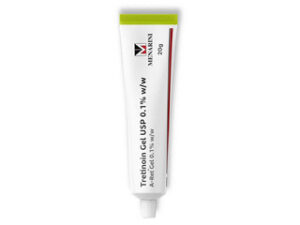
- Topical retinoids (adapalene, tretinoin): Must be prescribed; effective for comedonal and inflammatory acne; can cause irritation or sun sensitivity.
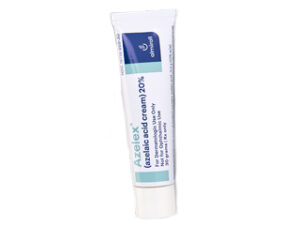
- Azelaic acid: Also prescription; good option for sensitive skin or pigment issues.
- Oral antibiotics (doxycycline, minocycline): Reserved for moderate-severe acne unresponsive to topical treatments, usually for short courses.
- Hormonal treatments (combined oral contraceptives, spironolactone): For females with hormonal acne.
- Isotretinoin: Severe or cystic acne, prescribed by dermatologists only; strict monitoring, many precautions for pregnancy, mental health.
Comparative overview: Aczone is less irritating than benzoyl peroxide or topical retinoids for many people, but typically slower to act; it is not first-line for all cases, but is a strong choice for persistent, inflammatory acne, and for people with sensitive or darker skin.
Legal, Registration, and Reimbursement Status in Australia
- Registered and regulated by the Therapeutic Goods Administration (TGA).
- Prescription medicine (S4); only supplied after consultation with a qualified prescriber (GP or dermatologist).
- Not available over-the-counter.
- Some indications (leprosy, dermatitis herpetiformis) are eligible for Pharmaceutical Benefits Scheme (PBS) subsidy for oral formulations. Acne indications for gel form may be PBS-listed, subject to specialist recommendation.
- No private health fund reimbursement for over-the-counter acne products; prescription medications may have some rebate depending on your private cover.
Latest Research / Clinical Guidance (2022–2025)
- 2023 British Association of Dermatologists Guidelines: Recommends dapsone gel for moderate inflammatory acne, particularly where other treatments have failed or are not tolerated (Layton, et al., "BAD Clinical Guidelines for Acne", Br J Dermatol 2023).
- 2024 Australasian College of Dermatologists Statement: Aczone suitable for persistent inflammatory acne in older teens/adults; less risk of skin bleaching or irritation compared to benzoyl peroxide/retinoids. Advised as adjunct in multi-drug regimens ("Acne: Management Options", Aust J Dermatol 2024).
- Recent studies (Kircik LH, J Drugs Dermatol 2022): Show low risk of contact dermatitis or pigment change in diverse Australian patient groups, including those with Fitzpatrick III-VI skin types.
Availability and Delivery
| Form | Pack Size | Indicative Price (AUD) | Delivery to Sydney | Melbourne | Brisbane | Adelaide | Perth |
|---|---|---|---|---|---|---|---|
| Topical Gel 5% | 60g tube | $55–$67 (private), lower for PBS | Next business day | Next business day | 1–2 days | 1–2 days | 2–3 days |
| Oral Tablets 100mg | 100 tablets | $34–$59 (PBS for approved indications) | Next business day | Next business day | 1–2 days | 1–2 days | 2–3 days |
FAQ – Common Patient Questions
- 1. How long will it take for Aczone gel to work on my acne?
Answer: Most people notice improvement within 4–6 weeks, but for some, best results appear after 8–12 weeks of consistent use. Don’t stop too early if you don’t see rapid results—be patient and continue regular application. - 2. Can I use makeup or sunscreen with Aczone gel?
Answer: Yes! Apply Aczone gel first to clean, dry skin. Wait a few minutes until it’s dry, then apply non-comedogenic sunscreen, followed by makeup as usual. Avoid thick, greasy preparations. - 3. What should I do if I forget a dose/application?
Answer: Apply it as soon as you remember, unless it’s close to your next scheduled dose. Never double up—just resume your usual schedule. - 4. Is Aczone safe during pregnancy or breastfeeding?
Answer: The gel form has low absorption and may be considered if benefit outweighs risk; always discuss with your GP or obstetrician before use. Oral dapsone is not recommended except in select situations under medical supervision. - 5. Can I use other acne creams or exfoliants at the same time?
Answer: Talk to your pharmacist or doctor first—using multiple acne products can increase dryness or irritation. If you must, space applications (one in the morning, another in the evening) and use a gentle cleanser.