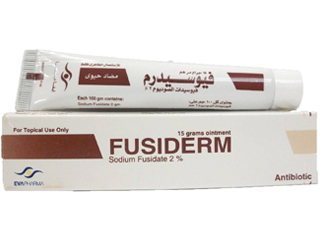
Betamethasone and Fusidic Acid: Patient Information for Australia
Basic Product Information
| International Non-proprietary Names (INN) | Betamethasone, Fusidic Acid |
|---|---|
| Common Brand Names in Australia | Fucidin H, Foban HC |
| ATC Code | D07CC01 |
| Available Forms & Strengths | Cream (Betamethasone valerate 0.1% + Fusidic acid 2%); Ointment (may be available in select brands) |
| Manufacturers in Australia | LEO Pharma, Ego Pharmaceuticals, various generic suppliers |
| Prescription Status | Prescription only (Schedule 4 medicine; not available over the counter) |
Mechanism of Action
- Simple Explanation: Betamethasone is a corticosteroid that reduces inflammation, swelling, and itching in the skin. Fusidic acid is an antibiotic that kills bacteria causing skin infections. Together, they treat inflamed skin conditions that have developed a secondary infection.
- For Health Professionals: Betamethasone valerate is a potent glucocorticoid receptor agonist, inhibiting inflammatory cytokine production, reducing immune cell infiltration, and stabilising lysosomal membranes. Fusidic acid inhibits bacterial protein synthesis by interfering with the elongation factor G (EF-G), primarily targeting Staphylococcus aureus and Streptococcus species. The combination addresses both the inflammatory and infectious components of at-risk dermatoses.
Pharmacokinetics
- Absorption: Both agents are minimally absorbed through intact skin. Broken or inflamed skin can increase absorption—especially for betamethasone.
- Metabolism: Betamethasone is metabolised in the liver if absorbed. Fusidic acid, if systemically absorbed, is extensively metabolised hepatically as well.
- Elimination: Metabolites are eliminated primarily via the urine (betamethasone) or biliary excretion (fusidic acid).
- Duration of Action: Clinical effects persist for 8–24 hours after application. Treatment courses are typically short-term (1–2 weeks).
Use in Everyday Life and Best Practices
- Apply a thin layer to the affected area once or twice daily, as directed by your doctor (most commonly twice daily at first, then down to once daily as symptoms improve).
- Gently wash and dry hands before and after application.
- Avoid contact with eyes, mouth, or broken mucous membranes. Do not swallow.
- Suitable for use in adults, children, and elderly under medical supervision.
- In the English climate, avoid occlusive dressings unless specifically instructed, especially in warm weather to reduce risk of increased absorption and side effects.
- Avoid prolonged use (not usually more than two weeks). Use only for the duration prescribed.
- If improvement is not seen within 7 days, or if the condition worsens, consult your GP or pharmacist.
Dosing in the Morning vs Evening
- Consistency is key: aim for evenly spaced doses, typically morning and evening.
- Applying in the morning may help avoid skin occlusion (e.g., under clothing). Evening use can allow medication to work uninterrupted overnight.
- Missed a dose? Apply when remembered, unless close to the next scheduled application. Avoid double dosing.
- Some skin conditions may benefit from night-time application if dressings are used (as per GP advice).
Taking with Food or on an Empty Stomach
- Topical use only: The medicine is applied to the skin, so meals do not affect absorption or efficacy.
- No dietary restrictions are required. It’s safe with all typical English diets, including vegetarian or gluten-free.
- Wash hands before and after applying, especially before preparing or eating food to prevent accidental ingestion.
Interaction Warnings
| Interaction | Advice for Patients |
|---|---|
| Other skin creams (moisturisers, cosmetics) | Leave at least 30 minutes between applications. Moisturisers may be used, but apply Betamethasone/Fusidic acid after moisturizing, not before. |
| Other topical corticosteroids/antibiotics | Avoid using additional steroid/antibiotic creams unless instructed. |
| Systemic corticosteroids or immunosuppressants | Inform your prescriber, as combined effects may increase side effects. |
| Alcohol | No direct interaction, but excessive alcohol may worsen some skin conditions. |
| Food | No interaction as not taken orally. |
| Other medications (e.g., methotrexate, cyclosporin) | Inform your doctor if you are using long-term immunosuppressants. |
Indications
| Indication | Official / Off-label |
|---|---|
| Infected eczema or dermatitis (especially impetiginised eczema) | Official |
| Inflamed atopic dermatitis with secondary bacterial infection | Official |
| Intertrigo, secondary infection of folds (armpits, groin) | Official |
| Other steroid-responsive dermatoses complicated by bacterial infection | Official |
| Off-label: infected psoriasis, paronychia | Off-label |
Dosing According to Clinical Indications
| Population | Typical Dose/How to Use | Duration |
|---|---|---|
| Adults | Apply thin layer to affected skin once or twice daily | Up to 2 weeks |
| Children (over 2 years) | As for adults; dose based on affected area | Maximum 1–2 weeks |
| Elderly | Same as adults; monitor for skin thinning | Use for shortest effective period |
- Do not use in children under 1 year unless specifically directed by a paediatrician.
Safety Profile and Side Effects
| Frequency | Possible Side Effects | Advice |
|---|---|---|
| Common (<1 in 10) | Mild skin irritation, burning, itching, dryness, redness on application | If severe or persistent, stop use and contact doctor |
| Uncommon | Thinning of skin, stretch marks, telangiectasia (small visible blood vessels), increased hair growth | If noticed, stop and speak to your pharmacist or GP |
| Rare | Allergic reaction (rash, swelling); secondary infection (if used for too long); adrenal suppression (with very large amounts or on broken skin) | Seek immediate medical help for allergy; consult for other concerns |
| Very rare | Systemic steroid side effects (weight gain, high blood pressure, mood changes) | Not expected with short-term, limited use |
- Do not use under dressings on large areas unless instructed.
- Prolonged use may result in skin thinning, especially on face/groin.
Guidelines for Proper Use
- Follow your doctor's instructions on where and how often to apply.
- Apply only to areas prescribed; avoid facial use unless specifically advised.
- Wash hands before and after, unless treating hands. If treating hands, avoid contact with food/preparing food for at least 30 minutes after application.
- Do not share this medication with others.
- Store below 25°C, and out of direct sunlight (ideal for Australian conditions).
- Keep out of reach of children.
- Return unused medicine to your pharmacy for safe disposal.
Alternative Treatment Options
| Alternative | ATC Code | Pros | Cons | PBS Reimbursement |
|---|---|---|---|---|
| Topical corticosteroids alone (e.g., betamethasone, mometasone) | D07AC | Effective for inflammation | No antibacterial activity—NOT suitable for infected lesions | Yes |
| Topical fusidic acid alone | D06AX01 | Effective for sensitive bacterial infections | No anti-inflammatory action | Yes |
| Oral antibiotics (e.g., flucloxacillin) | J01CF05 | Effective for widespread/invasive infections | Systemic side effects; may not relieve local inflammation quickly | Yes |
| Other topical combinations (e.g., hydrocortisone/neomycin) | D07CB01 | Alternative antibiotic-steroid mix | Some combinations have higher allergy risk (e.g., neomycin) | Some |
Legal, Registration, and Reimbursement Status in Australia
- Classified as a Schedule 4 medicine under the Poisons Standard, requiring prescription by a registered Australian medical practitioner.
- Registered with the Therapeutic Goods Administration (TGA).
- Reimbursed by the Pharmaceutical Benefits Scheme (PBS) for approved indications and brands (check current PBS listing for details).
- Not available as over-the-counter (OTC).
- Pharmacies are legally obliged to dispense only upon receipt of a valid prescription.
Latest Research and Clinical Guidance (2022–2025)
- Australian guidelines (Therapeutic Guidelines, Dermatology, v17) recommend the short-term use of topical corticosteroid/antibiotic combinations only when both inflammation and secondary infection are present (References: Therapeutic Guidelines Ltd, 2023).
- Resistance to fusidic acid remains a concern; avoid unnecessary prolonged/repeat courses (Australian Journal of Dermatology, 2024; BMJ 2023).
- Current research supports limited-area, limited-duration use (usually 7-14 days) to reduce risk of resistance and side effects.
- Alternatives (plain steroid or plain antibiotic) should be considered if only one issue is present.
Availability and Delivery
| Pack Size | Indicative Price (PBS general) |
|---|---|
| 15 g tube | $9–$13 (subject to change; concession prices may apply) |
| 30 g tube (more common for adults) | $14–$22 |
| Major Australian City | Estimated Pharmacy Delivery (in-stock) |
|---|---|
| Sydney | Same day to 2 days |
| Melbourne | Same day to 2 days |
| Brisbane | 1–3 days |
| Perth | 2–4 days |
| Adelaide | 1–3 days |
| Canberra | 1–2 days |
| Regional/rural areas | Up to 5–7 days (stock dependent) |
FAQ – Patient Questions & Answers
- Q1: Can I use Betamethasone and Fusidic Acid cream on my face?
Only if your doctor has specifically advised it. Facial skin is thinner and more sensitive, so long-term use may lead to side effects. Never use near eyes or mouth without medical instructions. - Q2: What should I do if I miss a dose?
Apply as soon as you remember, unless it's almost time for your next scheduled dose. Do not double up or use extra cream. - Q3: Can I put makeup or sunscreen on over the cream?
Yes, but wait at least 30 minutes after application so the medication can absorb. Use gentle removal techniques to avoid further skin irritation. - Q4: Is it safe during pregnancy or breastfeeding?
Safety in pregnancy is not fully established—use only if clearly needed and prescribed. Tell your doctor if you are pregnant or breastfeeding; avoid application to the chest area if breastfeeding. - Q5: Can this cream treat fungal infections?
No, Betamethasone and Fusidic acid do not treat fungal infections (such as ringworm, athlete’s foot, thrush).
For more information or personalised advice, please consult your GP or pharmacist. This information is intended for Australian patients and should not replace individual medical consultation.