Betamethasone Valerate: Patient Information for Australia
Basic Product Information
| International Non-proprietary Name (INN) | Betamethasone valerate |
|---|---|
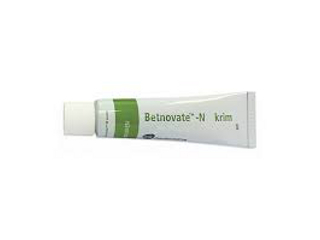
| Australia Brand Names | BetaScalp, Betnovate, Celestone, Diprosone |
| ATC Code | D07AC01 |
| Available Forms and Strengths | Cream 0.1%, ointment 0.1%, lotion 0.1%, scalp application 0.1%, topical foam 0.12%. Pack sizes vary (15g, 30g, 50g, 100g). |
| Manufacturers | GlaxoSmithKline, Aspen, Sandoz, Sigma, Pfizer |
| Prescription Status (Australia) | Prescription-only (Schedule 4, S4) |
Mechanism of Action
For patients:
Betamethasone valerate belongs to a group of medicines called corticosteroids. When applied to the skin, it helps reduce redness, swelling, itching, and irritation caused by many skin conditions. It works by blocking the production of chemicals in the skin that cause inflammation.
For specialists:
Betamethasone valerate is a potent synthetic glucocorticoid. It exerts anti-inflammatory, antipruritic, and vasoconstrictive effects by inhibiting phospholipase A2, reducing the release of arachidonic acid, and subsequently decreasing synthesis of inflammatory mediators including prostaglandins and leukotrienes.
Pharmacokinetics
- Absorption: Percutaneous absorption varies depending on the condition, skin area, and presence of occlusion. Damaged or inflamed skin increases absorption.
- Metabolism: Extensively metabolised in the liver after systemic absorption.
- Elimination: Mainly renal excretion of inactive metabolites.
- Duration of Action: Effective for 12–24 hours after topical application. Systemic action is minimal when used as directed.
Use in Everyday Life and Best Practices
- Wash and dry your hands before and after applying the medicine.
- Apply a thin layer to the affected area, gently rubbing it in.
- Follow your doctor or pharmacist’s instructions on frequency of application—typically once or twice daily.
- Do not use more than prescribed or for longer than instructed.
- Avoid contact with eyes, mouth, and non-affected skin.
- For scalp conditions, use the lotion or scalp application form. For thick or dry lesions, ointment may be best.
- Don’t cover with occlusive dressings unless directed by your doctor.
- If you miss a dose, apply as soon as you remember, unless it’s almost time for the next dose.
Betamethasone valerate is suitable for most common skin issues in the English context, such as eczema, psoriasis, lichen planus, and allergic dermatitis. Always store as recommended. Refrigeration is not required.
Dosing: Morning vs Evening Use
- Consistent timing helps maintain skin improvement. Morning or evening use is both acceptable; follow your doctor’s recommendation.
- Some prefer evening application to reduce daytime visibility or potential for wash-off, especially in areas that contact clothing.
- If applied twice daily, aim for even spacing (e.g., morning and evening, ~12 hours apart).
Taking With Food or on an Empty Stomach
Topical Betamethasone valerate is not affected by meals. You may apply it regardless of whether you have eaten. For Australians with active lifestyles or who observe specific meal routines, use at a time when you are unlikely to sweat or wash the area soon after application. No dietary changes are required.
Interaction Warnings
While topical betamethasone valerate is generally safe, certain products or behaviours may interact with its effectiveness or safety.
| Agent | Interaction | Advice |
|---|---|---|
| Alcohol (topical) | Irritation if used on skin soon after application | Avoid using alcohol-based skin products or perfumed lotions on affected area |
| Other topical steroids | Increased risk of side effects | Do not combine unless prescribed |
| Antifungal/antibiotic creams | Possible alteration of effects | Follow doctor’s advice; may be co-prescribed |
| Systemic medicines (e.g., oral steroids) | Risk of increased systemic corticosteroid effects | Inform your doctor of all medications |
| Live vaccines | Reduced vaccine efficacy with prolonged, high doses | No issues with usual short-term topical use |
Indications (Official and Off-label)
| Condition | Official (TGA-approved) | Off-label/Occasional |
|---|---|---|
| Atopic dermatitis (eczema) | Yes | No |
| Psoriasis (excluding widespread, facial, or genital disease) | Yes | No |
| Allergic and irritant contact dermatitis | Yes | No |
| Lichen planus | Yes | No |
| Prurigo nodularis, seborrhoeic dermatitis | Yes | May be used off-label for other inflammatory dermatoses as advised |
| Insect bite reactions (local) | No | Yes |
| Intertrigo (short-term) | No | Yes |
Dosing According to Clinical Indications
| Indication | Adults | Children | Elderly |
|---|---|---|---|
| Dermatitis/Eczema | Apply thin layer 1–2x daily | Apply thin layer once daily; use lowest effective strength/duration | Same as adults |
| Psoriasis | Apply 1–2x daily (avoid face/genitals) | Use with caution, rarely recommended | As above; monitor skin integrity closely |
| Lichen planus | 1–2x daily for 1–2 weeks | Rarely used | As above |
| Maintenance (flare prevention) | Twice weekly as advised | Rare; always consult doctor | As above |
Maximum weekly dose should not exceed 50g. Do not use for more than 4 weeks continuously without review.
Safety Profile and Side Effects
- Common Side Effects (up to 1 in 10):
- Itching, burning or stinging sensation at application site
- Dry or irritated skin
- Rash worsening (if allergic to ingredients)
- Less Common/Rare Side Effects (may occur with prolonged or inappropriate use):
- Thinning of the skin (atrophy)
- Striae (stretch marks), telangiectasia (spider veins)
- Increased hair growth at site (hypertrichosis)
- Skin pigmentation changes
- Delayed wound healing
- Secondary skin infection
- Systemic side effects (very rare; e.g., adrenal suppression with excessive use)
- Warnings:
- Do not use on broken skin or near eyes unless prescribed
- Avoid prolonged use, especially in children and elderly
- Monitor for skin thinning or colour changes during long-term use
Guidelines for Proper Use (Australia-Specific Advice)
- Use as directed by your pharmacist and as per your prescription.
- For sun-exposed areas: Apply sunscreen if spending time outdoors, as corticosteroids may increase sensitivity.
- Do not share your medication with anyone else.
- Return unused medicine to your local pharmacy for safe disposal (as per Australia’s Return Unwanted Medicines Project).
- If skin does not improve after 7–14 days or worsens, seek medical review.
- Maintain healthy skin with gentle, soap-free cleansers and moisturise regularly between steroid applications.
- Children: Apply only to affected areas directed by a specialist; avoid prolonged or large body surface applications.
- Pregnancy/Breastfeeding: Use only on medical advice; avoid breast area if breastfeeding.
Alternative Treatment Options
- Hydrocortisone (mild potency): Suitable for sensitive areas and children; less effective for thick or resistant plaques.
- Mometasone furoate, methylprednisolone aceponate, clobetasone butyrate: Other moderate-potency options reimbursed in Australia.
- Topical calcineurin inhibitors (e.g., tacrolimus, pimecrolimus): Useful for steroid-sparing and facial application; do not cause skin thinning but may cause burning sensation upon application. Advantages: Less atrophy, safe for long-term intermittent use. Disadvantages: Slower onset, higher cost, possible initial irritation.
- Emollients and moisturisers: Should always be used alongside active treatment for barrier repair.
- Coal tar, salicylic acid (for psoriasis): Specialist use; may be less acceptable due to odour, staining.
Legal, Registration, and Reimbursement Status (Australia)
- Registered with the Therapeutic Goods Administration (TGA)
- Prescription required (Schedule 4)
- Pharmaceutical Benefits Scheme (PBS): Many forms/brands subsidised for eligible conditions with a valid prescription
- Dispensed only under pharmacist and doctor supervision
Latest Research and Clinical Guidance (2022–2025)
- Australian guidelines (Dermatology Society 2023, PBS 2024): Recommend short-term use of moderate-potency corticosteroids for eczema flares. Emphasise safety in children and patient education.
- British Association of Dermatologists 2023 & Cochrane Review 2024: Confirm Betamethasone valerate as effective first-line management for moderate inflammatory skin diseases. Long-term daily use discouraged; maintenance with weekend/short bursts (so-called “steroid holidays”) advised.
- Recent trials (Cutaneous Therapy 2024) show that “as-needed” use following initial control is safe, with very low risk of systemic effects when used as directed.
- No new major safety warnings as of mid-2025. Monitor official TGA and NPS MedicineWise updates for the latest guidance.
Availability and Delivery in Australia
| Form | Popular Pack Sizes | Indicative PBS/Pricing (AUD) |
|---|---|---|
| Cream/Ointment | 15g, 30g, 100g | $6.70 (PBS General co-payment), $2.30 (Concession); private ~$10–$25 |
| Scalp application/lotion | 30mL, 100mL | As above |
| Delivery Location | Typical Delivery Time (Business Days)* |
|---|---|
| Sydney | 1–2 |
| Melbourne | 1–2 |
| Brisbane | 1–2 |
| Adelaide | 2–3 |
| Perth | 3–5 |
| Regional/Rural | 3–7 |
*Delivery timelines are indicative and may vary. Always seek pharmacist advice about urgent needs or rural supply options.
FAQ – Betamethasone Valerate in Australia
- Can I use Betamethasone valerate on my face?
This medicine should be used on the face only under direct medical supervision, as the skin is thinner and more prone to side effects. - How soon will I see improvement?
Most patients notice improvement within a few days. Full benefit may take 1–2 weeks. If worsening or no improvement, consult your doctor. - Is Betamethasone valerate safe in pregnancy and breastfeeding?
If necessary, it may be used in small amounts on limited areas during pregnancy and breastfeeding. Always discuss with your doctor; avoid applying to the breast if breastfeeding. - What should I do if I miss a dose?
Apply as soon as possible unless it’s almost time for your next dose. Never apply a double dose. - Can I stop using this medicine suddenly?
For short courses, yes. For long-term use, your doctor may advise gradual reduction to avoid rebound flare.
For more guidance or support, speak to your pharmacist or doctor—or consult the NPS MedicineWise website for trusted Australian information.