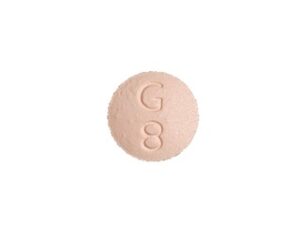
Sotalol - Comprehensive Patient Information (Australia)
Basic Product Information
- International Non-proprietary Name (INN): Sotalol
- Common Australia Brand Names: Sotalol Sandoz, Sotacor, APO-Sotalol, Sotalol AN
- Anatomical Therapeutic Chemical (ATC) Code: C07AA07
- Available Forms & Strengths:
- Tablets: 40 mg, 80 mg, 160 mg
- Sotalol is not available in Australia as an injectable or liquid form
- Manufacturers: Sandoz Pty Ltd, Alphapharm Pty Ltd, Apotex Pty Ltd, Australian-owned generics suppliers
- Prescription Status: Prescription Only Medicine (Schedule 4, S4), as required by the Therapeutic Goods Administration (TGA)
Mechanism of Action
For Patients: Sotalol is a medication mainly used to prevent and treat abnormal heart rhythms (arrhythmias). It works by helping your heart beat more regularly.
For Specialists: Sotalol is a non-selective beta-adrenergic antagonist with additional Class III (Vaughan Williams) antiarrhythmic activity. It inhibits both beta-1 and beta-2 adrenergic receptors (reducing sympathetic cardiac stimulation), and prolongs cardiac action potential duration by blocking outward potassium channels, leading to delayed repolarization and increased refractoriness.
Pharmacokinetics
- Absorption: Sotalol is well-absorbed after oral administration (90-100%) with peak plasma levels usually achieved within 2–4 hours.
- Metabolism: Sotalol is not significantly metabolised by the liver.
- Elimination: Almost completely excreted unchanged in the urine. Renal function should be considered particularly in the elderly or those with kidney issues.
- Duration of Action: Clinical effects last around 12–24 hours, supporting twice-daily dosing in most cases.
- Half-life: 12–20 hours (may be prolonged in people with reduced kidney function).
Use in Everyday Life & Best Practices
Sotalol is usually taken long-term to prevent abnormal heart rhythms such as atrial fibrillation, ventricular arrhythmias, and sometimes other conditions as decided by your cardiologist.
- Typical Dose:
- Most adults start at 80 mg twice daily by mouth. Dose may be adjusted up to 160 mg twice daily as needed.
- How to Use:
- Take Sotalol at about the same time(s) each day, roughly 12 hours apart. Swallow whole with a glass of water—do not chew or crush.
- Do not suddenly stop taking Sotalol, unless advised by your doctor, as this may worsen your heart condition.
- Regular blood tests and ECGs may be needed during treatment to check for changes in your heart rhythm, especially during the first week or after dose changes.
Dosing in the Morning vs Evening
- Advantages of Morning Dosing:
- May help if you experience disrupted sleep from side effects (e.g., vivid dreams, mild insomnia).
- Easier to remember with other morning medications or meals.
- Advantages of Evening Dosing:
- May be advised if you experience more arrhythmia symptoms at night.
- Helps some patients who prefer to avoid daytime drowsiness.
- Best Practice: Take at the same time each day (e.g., 8 am and 8 pm).
- Tip: Ask your pharmacist or doctor for advice about timing if you work shifts, fast during Ramadan, or have special scheduling needs.
Taking with Food or on an Empty Stomach
- Sotalol can be taken with or without food. Food slightly delays absorption but does not significantly change overall effect.
- Patients with sensitive stomachs may prefer to take Sotalol with a meal to reduce any mild nausea.
- No specific food restrictions for Australian diets—enjoy your typical English diet as usual.
- Important: Always take Sotalol with plenty of water.
Interaction Warnings
| Interaction | Potential Effect | Advice |
| Other antiarrhythmics (e.g. amiodarone) | Increased risk of serious abnormal heart rhythms | Only combine if closely supervised by a specialist |
| Drugs prolonging QT interval (e.g. certain antibiotics, antidepressants) | Risk of dangerous arrhythmias (torsades de pointes) | Discuss with your doctor; often avoided |
| Calcium channel blockers (verapamil, diltiazem) | Low blood pressure, slowed heart rate | May be unsafe; monitor closely or avoid |
| Diuretics (water pills) | Electrolyte changes increase arrhythmia risk | Blood tests may be needed more often |
| Alcohol | May enhance blood-pressure-lowering effects, increase dizziness/fainting | Limit intake, avoid binge drinking |
| Grapefruit juice | No major interaction, but may affect some similar medicines | Sotalol not meaningfully affected |
| Asthma inhalers, beta-agonists | May oppose Sotalol’s effect | Discuss balancing therapy with your doctor |
| Other beta-blockers or clonidine | Enhanced slow heart rate, low blood pressure | Avoid doubling up, unless directed |
Indications
| Indication | Status | Notes |
| Prevention of recurrent ventricular arrhythmias | Official (TGA-approved) | Common in patients with structural heart disease |
| Prevention of symptomatic atrial fibrillation/flutter | Official (TGA-approved) | Especially for those who cannot use other agents |
| Supraventricular tachycardia (SVT) | Off-label but commonly used | For select cases |
| Pediatric arrhythmias | Off-label | Specialist paediatric cardiology advice required |
Dosing by Clinical Indication
| Population | Indication | Typical Dose | Notes |
| Adult | Ventricular arrhythmia | 80–160 mg twice daily orally | Start at low dose and titrate up; ECG monitoring advised |
| Adult | Atrial fibrillation/flutter | 80–160 mg twice daily orally | Monitor QT interval before maintenance |
| Paediatric | Arrhythmias | 1–3 mg/kg/dose twice daily | Very specialist use—hospital/paediatrician only |
| Elderly | All | Start at lowest adult dose; slow titration | Extra caution due to increased sensitivity, renal adjustment |
| All | Renal impairment | Dose reduction often advised | Strict specialist guidance; more frequent blood/ECG monitoring |
Safety Profile & Side Effects
| Frequency | Side Effect | Actions |
| Common (>1%) | Tiredness, slow heartbeat, dizziness, nausea, diarrhoea, headache, sleep problems (e.g. vivid dreams) | Often mild; see your doctor if persistent |
| Uncommon/serious (<1%) | Severe fatigue, fainting, palpitations, swelling of ankles/feet, shortness of breath | Contact your doctor promptly |
| Rare | Life-threatening arrhythmias (torsades de pointes), severe allergic reaction (anaphylaxis), skin rash | Go to emergency or call 000 urgently |
| Warnings | May worsen asthma/COPD, caution in diabetes (may mask low sugar symptoms) | Discuss pre-existing issues with your doctor |
Guidelines for Proper Use
- Always follow your doctor’s instructions. Do not change your dose or stop taking Sotalol without advice.
- Inform your pharmacist about all your medications, over-the-counter supplements, and herbal remedies.
- Keep your Australian Medicare card handy for subsidised medicines and regular reviews.
- Attend all blood and ECG tests as scheduled.
- Carry a list of medications when travelling or during hospital visits.
- If you forget a dose, take it as soon as you remember, within 4–5 hours of your usual time. If it’s nearly time for your next dose, skip the missed one. Do not double up.
- Store tablets below 25°C in their original packaging away from children and pets.
- Discuss any new symptoms or concerns with your GP or cardiologist, especially if you develop fainting, palpitations, or breathlessness.
Alternative Treatment Options
- Amiodarone: Effective for many arrhythmias, but more side effects on the thyroid/liver. Subsidised by PBS.
- Flecainide: Useful for atrial fibrillation/flutter, less suitable for structural heart disease.
- Beta-blockers (Metoprolol, Bisoprolol): Often first-line for rate control, but lack Class III antiarrhythmic effect.
- Electrical cardioversion or ablation: For patients eligible for non-drug approaches.
- Discuss pros & cons of each with your cardiologist—no “one size fits all.” Many alternatives are reimbursed by Australia's Pharmaceutical Benefits Scheme (PBS).
Legal, Registration, and Reimbursement Status in Australia
- Sotalol is registered on the Australian Register of Therapeutic Goods as a Schedule 4 prescription-only medication.
- It is subsidised by the Pharmaceutical Benefits Scheme (PBS) for patients with documented arrhythmias.
- Can only be supplied by pharmacies in person or via legal online pharmacy delivery services with a valid prescription.
- Controlled by the Therapeutic Goods Administration (TGA) and supervised by the Australian Department of Health and Aged Care.
- Limited supply for paediatric use—specialist involvement is mandatory.
Latest Research & Clinical Guidance (2022–2025)
- Recent Australian and international guidelines (ESC 2022, AHA/ACC/HRS 2023) confirm Sotalol’s continued use for selected patients with atrial and ventricular arrhythmias, especially when other drugs are unsuitable.
- Current research emphasises the importance of close ECG monitoring to reduce the risk of torsades de pointes, particularly in the elderly and those with kidney problems.
- Head-to-head comparisons with amiodarone and newer agents highlight the need for personalised, patient-centred prescribing in arrhythmia management.
- Further references:
- ESC Guidelines on Cardiac Arrhythmias 2022
- Australian Clinical Guidelines for Atrial Fibrillation 2023
- Pappone et al., Heart Rhythm, 2024 (Comparative arrhythmia management: Sotalol, Amiodarone)
Availability and Delivery in Australia
- Popular pack sizes:
- 100 tablets (40 mg, 80 mg, 160 mg strength)
- 30 tablets starter pack (80 mg strength)
- Indicative prices (May 2024): $12–$22 per 100 tablets, PBS subsidised for most indications.
- Available from all Australian pharmacies with a valid prescription; also through major online pharmacy delivery services.
Average Delivery Times to Major Australian Cities (Express Pharmacy Courier Options) | City | Delivery Time (Business Days) |
| Sydney | 1–2 |
| Melbourne | 1–2 |
| Brisbane | 1–2 |
| Adelaide | 2–3 |
| Perth | 3–5 |
| Hobart | 2–3 |
Frequently Asked Questions
- Q: What should I do if I miss a dose of Sotalol?
A: Take the missed dose as soon as you remember, but only within a few hours of the normal time. If it's close to your next scheduled dose, skip the missed one. Do not double up. - Q: Can I drink alcohol while taking Sotalol?
A: Moderate alcohol intake is usually safe, but excessive drinking can increase side effects. Avoid binge drinking and talk to your doctor about safe limits for you. - Q: How long will I need to take Sotalol?
A: This depends on your specific condition and how well it is controlled. Some people stay on Sotalol long-term, while others may change to a different medicine if side effects occur. - Q: I feel dizzy or faint after starting Sotalol. Should I be worried?
A: Mild dizziness or light-headedness is common, especially at first. If you faint or have severe symptoms (slow heartbeat, chest pain, palpitations), contact your doctor promptly or go to emergency. - Q: Can Sotalol cure my arrhythmia?
A: Sotalol helps control your arrhythmia and can prevent episodes, but it does not cure the underlying cause. Continue regular follow-ups with your doctor.