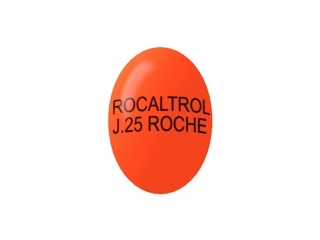

Rocaltrol (Calcitriol): Patient-Friendly Information for Australian Patients
Basic Product Information
| International Non-Proprietary Name (INN) | Calcitriol |
|---|---|
| Australia Brand Names | Rocaltrol, Calcitriol Sandoz |
| ATC Code | A11CC04 |
| Available Forms and Strengths | Capsules (0.25 microgram, 0.5 microgram); Oral solution (1 microgram/mL) |
| Manufacturers | Roche Products Pty Ltd, Sandoz Pty Ltd |
| Prescription Status | Prescription Only (Schedule 4) |
Mechanism of Action
For Patients:
Rocaltrol (calcitriol) is a form of vitamin D that helps your body absorb calcium from your diet and maintain healthy bones. Calcitriol acts like the hormone that naturally regulates calcium and phosphate levels in your blood, which is especially important if you have problems with your kidneys or parathyroid glands.
For Health Professionals:
Calcitriol is the most active metabolite of vitamin D3. It increases intestinal absorption of calcium and phosphate, facilitates renal tubular reabsorption of calcium, and can reduce parathyroid hormone (PTH) synthesis and secretion via direct and indirect mechanisms. It binds to intracellular vitamin D receptors to regulate gene expression related to calcium homeostasis.
Pharmacokinetics
- Absorption: Calcitriol is well absorbed (about 90–100%) after oral administration. Peak blood levels usually occur within 3–6 hours.
- Metabolism: It is metabolised mainly by the liver to less active forms.
- Elimination: The half-life is about 5–8 hours. Excreted in bile and urine.
- Duration of Action: Effects on calcium metabolism can last up to 24 hours.
Use in Everyday Life and Best Practices
Rocaltrol is most commonly used to prevent or treat calcium deficiency in patients with chronic kidney disease, hypoparathyroidism, or certain metabolic bone diseases (such as renal osteodystrophy). Most people take Rocaltrol once or twice daily, according to their doctor’s instructions. The dose is adjusted based on blood calcium levels and your individual needs.
- Take at the same time every day to help remember.
- Swallow capsules whole with a glass of water.
- Use a medicine measure for the oral solution for an accurate dose.
- Continue with a balanced diet (refer to Australian dietary guidelines as needed).
- Your doctor may recommend regular blood tests to check calcium and phosphate levels.
Dosing in the Morning vs Evening
- Morning dosing: Preferred by most clinicians. Taking Rocaltrol early may help align with natural vitamin D/calcitriol peaks and improves compliance.
- Evening dosing: Can be used, but ensure doses are taken consistently each day at the same time.
- Tip: Choose a dosing time that fits your routine and helps you remember. Set reminders if needed.
Taking With Food or On an Empty Stomach
- With food: Calcitriol’s absorption is not greatly affected by food, but if you experience stomach upset, take with food as tolerated.
- Empty stomach: Also acceptable.
- Australian context: Please maintain recommended calcium and phosphate intake as per your healthcare professional’s advice, as many English diets may contain high dairy/calcium otherwise.
Interaction Warnings
| Type | Interaction | Advice |
|---|---|---|
| Food | High calcium diet | Increases risk of high blood calcium (hypercalcaemia). Monitor regularly. |
| Alcohol | Excessive intake | Can affect bone metabolism; moderate consumption recommended. |
| Medication | Thiazide diuretics | Increases risk of hypercalcaemia. |
| Medication | Phenytoin, Carbamazepine | May reduce effectiveness of Rocaltrol. |
| Medication | Cholestyramine, mineral oils | May reduce absorption of calcitriol. |
| Medication | Digitalis glycosides | Risk of arrhythmia if used with high calcium levels. |
Indications
| Indication | Status | Description |
|---|---|---|
| Chronic renal failure (CKD) with hypocalcaemia | Official (TGA-approved) | Prevent/treat low calcium levels, reduce bone disease risk. |
| Hypoparathyroidism | Official | Treats low calcium due to inactive parathyroid glands. |
| Pseudohypoparathyroidism | Official | Treats abnormal calcium metabolism from target organ resistance. |
| Osteomalacia and rickets (certain forms) | Official | Especially if resistant to standard vitamin D therapy. |
| Osteoporosis (off-label in some cases) | Off-label | Limited; only in specialist-guided therapy. |
| Secondary hyperparathyroidism (CKD, dialysis patients) | Official | To manage PTH, prevent bone loss. |
Dosing According to Clinical Indications
| Indication | Population | Typical Dose | Notes |
|---|---|---|---|
| Chronic renal failure on dialysis | Adult | 0.25–0.5 microgram/day | Titrate up to max 2 microgram daily if needed |
| Chronic renal failure | Paediatric | 0.01–0.05 microgram/kg/day | Dose adjusted by specialist |
| Hypoparathyroidism/Pseudohypoparathyroidism | Adult | 0.25–1 microgram/day | Split dose if >0.5 microgram/day |
| Hypoparathyroidism | Children | 0.01–0.05 microgram/kg/day | Careful titration; monitor calcium closely |
| Osteomalacia | Adult | 0.25–1 microgram/day | Not first-line for dietary vitamin D deficiency |
| Elderly (all indications) | Elderly | Start at lower end (e.g., 0.25 microgram/day) | Increase cautiously; monitor more frequently |
Safety Profile & Side Effects
- Common (≥1/100): High blood calcium (hypercalcaemia), weakness, headache, nausea, vomiting, dry mouth, constipation, muscle pain.
- Uncommon/Rare (≤1/1,000): Itching, rash, increased urination, confusion, pancreatitis, kidney stones.
- Warnings: Hypercalcaemia can lead to dangerous complications (arrhythmias, kidney stones, confusion). Regular blood tests are essential.
Guidelines for Proper Use
- Follow your doctor’s prescription closely; do not change the dose unless advised.
- Attend all blood test appointments to monitor calcium and kidney function.
- Avoid self-supplementing with extra vitamin D or calcium, unless told by your doctor.
- Let your GP and pharmacist know all medications you are taking—some may interact.
- If you miss a dose, take it as soon as you remember unless it is close to your next dose. Do not double up.
- If you feel unwell—especially if you lose appetite, vomit, feel very thirsty, or need to pass urine frequently—contact your doctor immediately.
Alternative Treatment Options
- Standard vitamin D (cholecalciferol): Used for general deficiency; does not replace calcitriol in advanced kidney disease. Pros: Oral, cheap, widely available; Cons: Not effective if kidneys can’t convert it to active form.
- Alfacalcidol: Another active vitamin D analogue, less often used—some differences in metabolism.
- Calcium supplements: Sometimes used alongside Rocaltrol, but only under supervision.
- Most of these are subsidised under the Pharmaceutical Benefits Scheme (PBS) in Australia if prescribed for approved indications.
Legal, Registration, and Reimbursement Status in Australia
- Registered with the Therapeutic Goods Administration (TGA).
- Schedule 4 (Prescription Only Medicine) under the Poisons Standard.
- Reimbursed by PBS for indications like chronic kidney disease & hypoparathyroidism (see PBS site for subsidy status).
- May be subject to some restrictions or specialist authority for prescriptions.
Latest Research & Clinical Guidance (2022–2025)
- Latest KDIGO CKD-MBD 2024 guidelines recommend active vitamin D analogues, including calcitriol, only in patients with elevated PTH and persistent hypocalcaemia due to advanced kidney disease.
- Recent Australian reviews (see Med J Aust 2023) highlight the need for regular monitoring to avoid hypercalcaemia and advocate specialist guidance especially in children and the elderly.
- Cochrane meta-analyses (2022) support benefits in certain populations, but not routine use for osteoporosis without specialist input.
Availability and Delivery in Australia
| Popular Pack Sizes | 100 x 0.25 microgram capsules, 30 x 0.5 microgram capsules, 15 mL oral solution |
|---|---|
| Indicative Pricing (PBS co-payment) | From $7.30 (concession) or up to $31.60 per script (general) |
| Delivery Times* |
|
FAQ – Common Patient Questions
- Do I need to take Rocaltrol for life?
It depends on your diagnosis. Many patients with chronic kidney disease, hypoparathyroidism, or certain bone conditions need long-term or lifelong therapy. Your doctor will review your ongoing need for treatment at regular intervals. - Can I take Rocaltrol with my other medicines and supplements?
Some medicines and supplements (especially those affecting calcium or vitamin D) can interact with Rocaltrol. Always provide your GP and pharmacist with a complete list of what you are taking. Avoid adding new supplements without professional advice. - What happens if I miss a dose?
Take the missed dose as soon as you remember unless it is almost time for your next dose. In that case, skip the missed dose and return to your normal schedule. Do not double your dose to make up for a missed one. - Can I drive or operate machinery while taking Rocaltrol?
Rocaltrol does not typically impair your ability to drive. However, if you feel dizzy, weak, or confused (possible signs of high calcium), do not drive and contact your doctor. - What foods should I avoid?
Avoid excessive dairy, high-calcium foods, or additional supplements unless prescribed, as these can raise your blood calcium levels. Follow dietary advice from your healthcare provider.
For further information, speak with your pharmacist or GP. Always read the Consumer Medicine Information leaflet provided with your medicine and store Rocaltrol as directed.