

Azulfidine (Sulfasalazine) – Patient-Friendly Guide for Australia
Basic Product Information
| International Non-Proprietary Name (INN) | Sulfasalazine |
|---|---|
| Australian Brand Names | Azulfidine, Pyralin EN |
| Anatomical Therapeutic Chemical (ATC) Code | A07EC01 |
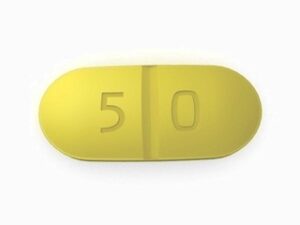
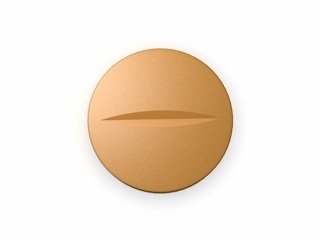
| Available Forms & Strengths | Tablets: 500 mg (standard release) Enteric-coated tablets (Pyralin EN): 500 mg |
| Manufacturers (Australia) | Pfizer Australia Pty Ltd, Alphapharm, Apotex |
| Prescription Status | Prescription Only Medicine (Schedule 4) |
Mechanism of Action
In Simple Terms: Sulfasalazine helps reduce inflammation in the gut and joints by interfering with the body’s immune response that causes swelling and pain.
For Specialists: Sulfasalazine is metabolised in the colon by bacterial azo-reductases into sulfapyridine and 5-aminosalicylic acid (5-ASA). The 5-ASA component is primarily responsible for anti-inflammatory action in the bowel mucosa, while sulfapyridine mediates systemic immunomodulatory effects, including inhibition of prostaglandin and leukotriene synthesis, scavenging of free radicals, and suppression of various pro-inflammatory cytokines.
Pharmacokinetics
- Absorption: Poorly absorbed in the upper gastrointestinal tract; reaches the colon where it is split by bacterial enzymes into active metabolites.
- Metabolism: In the colon, split into sulfapyridine (absorbed, metabolised in liver) and 5-ASA (mostly local effect, minimal absorption).
- Elimination: Sulfapyridine – renal excretion; 5-ASA – mostly excreted in stool.
- Duration of Action: Typically acts within several days to weeks, full benefits may require 1–3 months of therapy.
- Half-life: Sulfapyridine: 6–17 hours (influenced by slow or fast acetylator genotype).
Use in Everyday Life and Best Practices
Sulfasalazine is most commonly used for:
- Ulcerative colitis
- Crohn’s disease (mild to moderate, colonic involvement)
- Rheumatoid arthritis (especially seronegative types)
- Juvenile idiopathic arthritis
How to Take Sulfasalazine
- Usually started at a lower dose and gradually increased to minimise stomach upset.
- Tablets should be swallowed whole with water. Avoid crushing or chewing, especially enteric-coated forms (Pyralin EN).
- Drink plenty of fluids to prevent kidney side effects.
- Store at room temperature, away from direct heat and sunlight.
Dosing: Morning vs Evening
- Sulfasalazine is often taken in divided doses (2–4 times/day), typically with breakfast and dinner, or spaced evenly throughout the day.
- Morning Dosing: May reduce risk of forgetting a dose if taken with breakfast.
- Evening Dosing: Helpful for patients with stomach upset or if advised by your doctor.
- Regularity Tips: Take at the same times every day. Set reminders or use a medication diary to build a habit.
Taking with Food or on an Empty Stomach
- Taking sulfasalazine with food or immediately after a meal can help reduce nausea and abdominal discomfort, which are common when starting therapy.
- There's no need to adjust for specific Australian dietary patterns—the main advice is not to take it on an empty stomach if you notice gastric side effects.
Interaction Warnings
| Interacting Substance | Nature of Interaction | Advice |
|---|---|---|
| Alcohol | Can worsen side effects (nausea, dizziness, liver toxicity). | Limit or avoid while taking sulfasalazine. |
| Folic acid supplements | Reduced absorption by sulfasalazine. | Regular supplementation often recommended. |
| Antibiotics (esp. for gut infections) | May decrease sulfasalazine’s effectiveness in the colon. | Notify your GP or pharmacist before starting new antibiotics. |
| Warfarin and oral anticoagulants | Increased risk of bleeding. | Frequent monitoring of INR is necessary. |
| Digoxin | Decreased digoxin absorption. | Digoxin levels may need monitoring. |
| Immunosuppressants (e.g. azathioprine, methotrexate) | Increased risk of side effects (esp. low blood counts). | May need more frequent blood tests. |
Indications
| Indication | Official (TGA-approved) | Off-label |
|---|---|---|
| Ulcerative colitis | Yes | No |
| Rheumatoid arthritis | Yes | No |
| Crohn’s disease (colonic involvement) | No | Yes |
| Juvenile idiopathic arthritis | No | Yes |
Dosing According to Clinical Indications
| Indication & Age Group | Typical Starting Dose | Usual Maintenance Dose | Notes |
|---|---|---|---|
| Adults (Ulcerative colitis – active) | 500 mg/day, increase by 500 mg daily to 2–4 g/day in divided doses | 1–2 g/day in divided doses | Reduce dose to minimise side effects. Adjust by clinical response. |
| Adults (Rheumatoid arthritis) | 500 mg–1 g/day, slowly increased to 2–3 g/day in divided doses | 2–3 g/day (divided) | Onset of benefit may take 6–12 weeks |
| Paediatric (Juvenile idiopathic arthritis) | 10–30 mg/kg/day in 2–4 divided doses | Max 2 g/day | Under specialist supervision |
| Elderly (all indications) | Start at lowest end of dosing range | Reduce dose as needed for tolerance | Monitor renal/liver function closely |
Safety Profile and Side Effects
- Common side effects (often mild or temporary):
- Headache
- Nausea, vomiting, loss of appetite
- Stomach upset or abdominal pain
- Orange-yellow colouring of urine or sweat (harmless)
- Occasional or serious side effects:
- Skin rash or itching
- Fever, sore throat
- Unusual bruising or bleeding
- Mouth ulcers
- Liver or kidney problems (rare but can be serious, needs monitoring)
- Reduced sperm count (returns to normal after stopping medicine)
- If you develop difficulty breathing, swelling of the face/throat, severe skin reactions, or jaundice (yellowing of eyes/skin)—seek urgent medical help.
Guidelines for Proper Use (Australian Context)
- Have regular blood tests (full blood count, liver and kidney function), especially in the first 3 months.
- Always carry a list of your current medicines for GP and pharmacy visits.
- Wear sunscreen—sulfasalazine can make some people more sensitive to sunlight common in Australia.
- Report persistent sore throat, fever, mouth ulcers, or easy bruising to your doctor promptly.
- Continue taking until advised to stop, even if symptoms improve—it can prevent disease relapse.
- If you miss a dose, take it as soon as you remember. If it’s nearly time for the next dose, skip the missed dose—do not double up.
- Let all your healthcare providers know you’re on sulfasalazine, including dentists and pharmacists.
Alternative Treatment Options
| Medicine | Indication | Comparison (Pros & Cons) |
|---|---|---|
| Mesalazine (5-ASA) | Ulcerative colitis, Crohn’s (colonic) |
|
| Methotrexate | Rheumatoid, juvenile arthritis |
|
| Azathioprine | Autoimmune, IBD |
|
| Biologicals (adalimumab, infliximab, etc) | Refractory IBD, arthritis |
|
Legal, Registration, and Reimbursement Status in Australia
- Legal status: Schedule 4 (Prescription-Only) under the Therapeutic Goods Administration (TGA).
- Registration: Registered for use in ulcerative colitis and rheumatoid arthritis.
- Pharmaceutical Benefits Scheme (PBS): Sulfasalazine is subsidised by the PBS for listed indications (see PBS website).
- Available through community and hospital pharmacies. Prescription required from a registered medical practitioner.
Latest Research and Clinical Guidance (2022–2025)
- Recent Australian and international guidelines continue to endorse sulfasalazine as a first-line therapy for mild to moderate ulcerative colitis and as a disease-modifying antirheumatic drug (DMARD) for rheumatoid and juvenile idiopathic arthritis (Australian Rheumatology Association, 2023; NICE Clinical Guidelines 2022).
- Meta-analyses (e.g., McNeil et al., 2023) confirm sulfasalazine’s efficacy and tolerability in colitis when compared to newer agents, especially where cost and accessibility are factors.
- Long-term research highlights the importance of regular monitoring for blood abnormalities and liver toxicity (Smith et al., Lancet Rheumatology 2024).
- Updated advice has strengthened recommendations for folic acid supplementation and sun protection given the climate in Australia and findings of mild folate deficiency in regular users (Stuart et al., Aust Prescriber 2023).
Availability and Delivery
| Pack Size | Tablet Count | Indicative PBS Price (patient co-pay) | Usual Delivery (Sydney, Melbourne, Brisbane) |
|---|---|---|---|
| Standard | 100 | $6.70* | Next business day (metro); 1–3 working days (regional) |
| Large | 200 | $13.40* | Same as above |
*Price listed is typical PBS co-payment as of June 2024 (PBS).
Available via online pharmacy delivery across Australia. Refrigeration not required. Bulk dispensing for rural patients available—ask your pharmacist.
Frequently Asked Questions (FAQ)
- Will sulfasalazine cure my disease?
Sulfasalazine controls inflammation and symptoms in conditions like ulcerative colitis or arthritis but does not cure the underlying disease. Long-term use prevents flares and maintains remission. - What should I do if I miss a dose?
Take it as soon as you remember unless more than 4–6 hours late – then skip and continue as usual. Never take a double dose. - Is sulfasalazine safe in pregnancy or breastfeeding?
Sulfasalazine is considered relatively safe when prescribed by your specialist during pregnancy and breastfeeding. Folic acid supplementation is advised. Always discuss with your doctor. - Can I drink alcohol while taking sulfasalazine?
Small amounts may be tolerated, but heavy or regular consumption increases side effects. It’s safest to limit or avoid alcohol. - How long before I feel better?
Some patients notice improvement in a few weeks, but full benefits (especially for arthritis) may take up to 12 weeks.
For more information and advice always consult your GP, specialist, or pharmacist. Report any unusual symptoms or side effects promptly. This information is a guide and does not replace medical advice tailored to your condition.