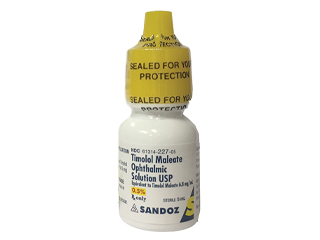
Timoptic (Timolol Maleate): Comprehensive Patient Information for Australian Patients
Basic Product Information
| International Non-Proprietary Name (INN) | Timolol Maleate |
|---|---|
| Australian Brand Names | Timoptic®, Eyeton®, Timpilo®, Nyogel® |
| Anatomical Therapeutic Chemical (ATC) Code | S01ED01 |
| Available Forms and Strengths | Eye drops: 0.25%, 0.5%; Gel-forming eye drops: 0.5%; Tablets (not typically used in eye conditions in Australia); Ophthalmic solution |
| Manufacturers | Viatris (formerly Mylan), Novartis, Aspen Pharmacare, Sigma Pharmaceuticals (brands may vary in pharmacy availability) |
| Prescription Status | Prescription Only Medicine (Schedule 4, S4) |
Mechanism of Action
For Patients: Timolol is a medication that reduces the pressure inside your eye (intraocular pressure), which helps prevent further damage from glaucoma and related eye conditions. It does this by reducing the amount of fluid your eye produces.
For Specialists: Timolol is a non-selective beta-adrenergic receptor antagonist. It lowers intraocular pressure both by suppressing aqueous humour production at the ciliary body and by reducing ultrafiltration secondary to decreased blood flow. Unlike miotics, timolol has minimal effect on pupils and visual accommodation.
Pharmacokinetics
- Absorption: After ocular application, timolol is absorbed systemically through the conjunctiva and nasal mucosa.
- Onset of Action: Reduction in intraocular pressure typically starts within 30 minutes, with a peak effect at 1–2 hours.
- Duration of Action: 12–24 hours per dose, supporting once or twice daily dosing.
- Metabolism: Primarily hepatic (liver) metabolism via cytochrome P450 enzymes.
- Elimination: Renal excretion (urine). Systemic exposure is much less than oral use, but caution is still needed in certain comorbidities.
Use in Everyday Life and Best Practices (Australian Context)
Timoptic is usually supplied as eye drops, used either once or twice daily as directed by your ophthalmologist. Always follow your doctor or pharmacist’s instructions exactly.
- Usual Dose: 1 drop into the affected eye(s) once or twice daily. Most adults start with the 0.25% solution, but the 0.5% strength may be required if needed.
- How to Use: Wash your hands, tilt your head back, pull down your lower eyelid, and instil one drop in the eye. Close your eyes gently and press on the corner of your eye (near the nose) for one minute to reduce absorption into the bloodstream.
- Contact Lenses: Remove contact lenses before use. Wait at least 15 minutes before replacing them.
- Storage: Store below 25°C, away from direct sunlight. Discard the bottle 4 weeks after opening.
- Missed Dose: If you forget a dose, use it as soon as you remember. If it is almost time for your next dose, skip the missed dose and use the next one at the regular time.
Dosing in the Morning vs Evening
- Morning Use: Most Australians are asked to use Timoptic in the morning, which aligns with the natural daily rise in eye pressure and supports adherence by linking dosing to daily routines.
- Evening Use: Some patients, particularly those with higher night-time pressures, may benefit from evening dosing. Your eye specialist will advise which is best for you.
- Tip: Take your dose at the same time every day to maintain steady eye pressure reductions. Timoptic can be used in the morning, evening, or both, depending on your prescription.
Taking with Food or on an Empty Stomach
Timoptic is usually administered as an eye drop and is not affected by food intake. There are no known interactions with common components of the Australian diet. However, swallowing the drops may increase absorption and side effects – always use the drops only as directed, and press gently on the tear duct after use to reduce systemic absorption.
Interaction Warnings
| Interaction Type | Details |
|---|---|
| Other Eye Medications | Wait at least 5–10 minutes between medicines to avoid dilution. |
| Oral Beta-Blockers | Greater risk of side effects like slow pulse or low blood pressure – inform your GP if you take these. |
| Calcium Channel Blockers (e.g., verapamil, diltiazem) | Increased risk of heart or blood pressure problems. |
| Antidepressants (e.g., SSRIs, tricyclics) | Can mask certain symptoms; interactions are rare but possible. |
| Insulin & Diabetes Medicines | Timolol may hide symptoms of low blood sugar (hypoglycaemia). |
| Alcohol | Large amounts of alcohol may increase drowsiness or lower blood pressure, but moderate consumption is generally safe. |
| Asthma or Respiratory Medicines | Beta-blockers are not recommended for people with asthma or severe COPD. |
Indications
| Indication | Status |
|---|---|
| Ocular hypertension | Approved |
| Chronic open-angle glaucoma | Approved |
| Secondary glaucoma (e.g., aphakic, pigmentary, juvenile) | Approved/Off-label as per specialist advice |
| Prevention of raised intraocular pressure after eye surgery | Off-label, used under specialist supervision |
| Ophthalmic hypertension secondary to steroid use | Off-label, as advised by an ophthalmologist |
Dosing According to Clinical Indication
| Patient Group / Indication | Recommended Dose | Comments |
|---|---|---|
| Adults (Ocular Hypertension, Glaucoma) | 1 drop to affected eye(s) once or twice daily (0.25% or 0.5%) | May be increased to 0.5% if required |
| Children & Adolescents | Lowest effective dose, not exceeding adult concentrations | Use with care, monitor for systemic side effects |
| Elderly | As for adults | Monitor for side effects due to potential slower metabolism |
| Patients with Liver/Kidney Impairment | As for adults | Monitor closely, risk of systemic absorption greater |
Safety Profile and Side Effects
Most people tolerate Timoptic very well, but some side effects can occur. If you experience serious reactions, stop using the medicine and seek medical advice immediately.
| Frequency | Side Effect | Comment |
|---|---|---|
| Common | Stinging or burning in the eye, blurred vision, dry eyes | Usually mild and short-lived after instillation |
| Common | Tiredness, headache, slow heart rate | Report to GP if bothersome |
| Uncommon | Shortness of breath, dizziness, low blood pressure | Risk higher in people with heart or lung disease |
| Rare | Allergic reactions (redness, itching, swelling, rash) | Seek urgent medical attention |
| Rare | Worsening of asthma or COPD, chest pain | Contraindicated in known conditions—notify your doctor immediately if these occur |
| Very rare | Depression, confusion, hallucinations | More likely in elderly; report to your healthcare provider |
Guidelines for Proper Use (Australian Conditions)
- If you are prescribed multiple eye medications, use Timoptic at least 5 minutes apart from other drops.
- Maintain hand hygiene and avoid contact of the dropper tip with any surface, including your eye or skin.
- Timoptic eye drops are stable at room temperature but should not be exposed to excessive heat or cold — typical Australian climates are fine with standard home storage.
- Pat your eyelid gently after instillation and use gentle pressure over the tear duct for 1 minute to decrease systemic absorption (called punctual occlusion).
- Regular, scheduled follow-ups with your ophthalmologist are essential, as glaucoma and intraocular hypertension often do not cause symptoms until advanced stages.
- Do not suddenly stop using Timoptic without medical advice, as eye pressure could rise quickly, risking vision.
Alternative Treatment Options
- Latanoprost (Xalatan®, APO-Latanoprost®) – A prostaglandin analogue, used once daily at night. Often first-line and PBS-reimbursed; may cause eyelash growth or iris darkening.
- Dorzolamide (Trusopt®) – Carbonic anhydrase inhibitor, usually 2–3 times daily. Used if beta-blockers are not tolerated.
- Brimonidine (Alphagan-P®) – Alpha-agonist for glaucoma; used up to 3 times a day. Can cause allergy or dry mouth.
- Combination Drops (e.g., Cosopt® – timolol + dorzolamide) – Improves convenience, used if monotherapy is insufficient.
- Laser or surgical procedures – if medication does not sufficiently lower intraocular pressure.
Pros and Cons Overview: Timolol is often well tolerated, but not suitable for asthmatics or certain heart conditions; prostaglandin analogues are convenient (once daily), but may cause cosmetic eye changes; other choices tailored to side effect profile and co-morbidities. All PBS-listed for glaucoma in Australia.
Legal, Registration, and Reimbursement Status in Australia
- Registered by the Therapeutic Goods Administration (TGA Australia).
- Listed on the Pharmaceutical Benefits Scheme (PBS) for glaucoma and ocular hypertension — eligible for subsidy with a prescription from Australian registered health professionals.
- Schedule 4 (Prescription Only) medicine: You must have a valid Australian prescription to purchase Timoptic.
Latest Research and Clinical Guidance (2022–2025)
- A 2023 review in the Australian and New Zealand Journal of Ophthalmology reconfirmed that timolol remains effective for reducing intraocular pressure and is often chosen due to its affordability, especially as second-line or in combination with prostaglandin analogues.
- Guidelines from RANZCO (Royal Australian and New Zealand College of Ophthalmologists, 2023) still recommend timolol for maintenance of chronic open-angle glaucoma but caution use in those with respiratory or cardiac risk.
- Comparative meta-analyses (Lancet Ophthalmology, 2024) suggest that while prostaglandin analogues are slightly more effective in reducing pressure, timolol is valuable where prostaglandins are contraindicated or not affordable.
- Long-term use is safe for most, but regular reviews for side effects, especially in older patients, are advised.
Availability and Delivery
| Pack Size | Typical Pharmacy Price (AUD)* | Delivery Estimate – Sydney | Delivery Estimate – Melbourne | Delivery Estimate – Brisbane | Delivery Estimate – Perth |
|---|---|---|---|---|---|
| 5 mL bottle | $9–$18 (PBS price usually lower with concession) | 1–2 days | 1–3 days | 1–2 days | 3–5 days |
| Gel-forming 2.5 mL | $14–$22 | 1–2 days | 1–3 days | 1–2 days | 3–5 days |
*Indicative only, as of May 2024. PBS concessional co-payment may apply for eligible patients.
FAQ – Patient Questions and Answers
- Is Timoptic suitable for contact lens wearers?
Yes, but you must remove contact lenses before applying the drops. Wait at least 15 minutes before reinserting them to avoid absorption of preservatives. - Can I drive or operate machinery after taking Timoptic?
Some people experience blurred vision for a few minutes after use. Wait until your vision is clear before driving or using machinery. - What should I do if I miss a dose?
Use it as soon as you remember, unless it’s nearly time for the next dose. Do not double up. Maintain regular dosing for optimum results. - Can I use Timoptic with other eye drops?
Yes, but apply Timoptic at least 5–10 minutes before or after other drops. Always follow the prescribed order and timings. - Is Timoptic safe in pregnancy or breastfeeding?
Use only if prescribed and after discussing with your doctor. Beta-blockers can be absorbed systemically and are used with caution during pregnancy or breastfeeding.
Important: Always use Timoptic as prescribed by your treating ophthalmologist or healthcare provider. Report any new symptoms or concerns to your doctor or pharmacist. Regular eye checks are essential to monitor your intraocular pressure and overall eye health.