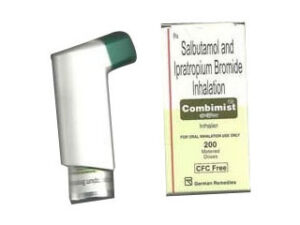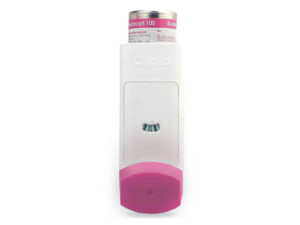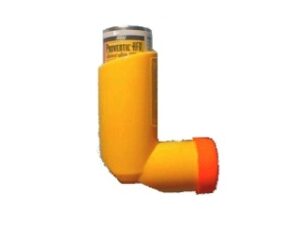
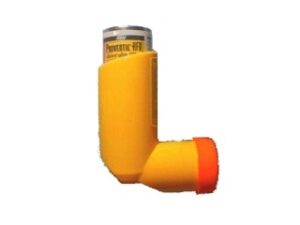
Ventolin Inhaler (Salbutamol): Comprehensive Patient Guide
Basic Product Information
| International Non-proprietary Name (INN) | Salbutamol |
|---|---|
| Australia Brand Names | Ventolin Inhaler, Asmol Inhaler, Airomir Inhaler |
| ATC Code | R03AC02 |
| Available Forms & Strengths | Metered dose inhaler (MDI): 100 micrograms (mcg) per actuation |
| Typical Manufacturers | GlaxoSmithKline (Ventolin), Alphapharm (Asmol), Teva Pharma (Airomir) |
| Prescription Status | Schedule 4: Prescription only medicine in Australia |
Mechanism of Action
For Patients: Ventolin Inhaler contains the active ingredient salbutamol, which is known as a "reliever" inhaler. It quickly helps to open up the airways in your lungs, making breathing easier. It relaxes the muscles in the walls of your airways, providing fast relief from symptoms like wheezing, shortness of breath, or a tight chest.
For Specialists: Salbutamol is a short-acting β2-adrenergic receptor agonist (SABA). It binds to β2 receptors in bronchial smooth muscle, activating adenylate cyclase and increasing cyclic AMP levels, leading to smooth muscle relaxation and bronchodilation. Onset of action is typically within 4-5 minutes when inhaled.
Pharmacokinetics
- Absorption: Rapid absorption from the lungs after inhalation; some swallowed fraction undergoes first-pass metabolism.
- Metabolism: Primarily metabolised in the liver to inactive sulfate conjugates.
- Elimination: Cleared mainly in the urine, both as unchanged drug and as metabolites.
- Duration of Action: Relief lasts approximately 4-6 hours after a single inhalation.
Use in Everyday Life and Best Practices
- Typical Doses: For adults and teens: 1–2 puffs (100–200 mcg) as needed for relief of symptoms. Do not exceed 8 puffs in 24 hours unless instructed by your doctor.
- Pediatric Use: Children (6–12 years): 1 puff (100 mcg) as needed, up to 4 times a day. Maximum 8 puffs per day. Under 6 years: Only under doctor’s supervision.
- How to Use: Ventolin Inhaler should be shaken well before use. Exhale fully, put the mouthpiece between your teeth (do not bite it) and close your lips around it. Start to breathe in slowly while pressing down on the canister to release a puff. Hold your breath for about 10 seconds if possible, then exhale slowly.
- Spacers: For young children and those who have difficulty using the inhaler, a spacer device is recommended.
- Australian Context: Inhalers are widely available; pharmacists can provide device demonstrations and spacer devices are subsidised.
Dosing in the Morning vs Evening
Ventolin is usually used on an as-needed basis rather than scheduled dosing. However, if you find you regularly need your inhaler in the morning or evening (e.g., for exercise or nocturnal symptoms), it is best to discuss this with your GP or nurse as it may indicate suboptimal asthma control.
- Morning Use: Useful for exercise-induced or early morning symptoms.
- Evening Use: Can relieve night-time symptoms, but regular need may suggest the need to review your preventer therapy.
- Consistency: Use only as needed for relief, not as a regular scheduled medication unless advised.
Taking with Food or on an Empty Stomach
Ventolin Inhaler is used through inhalation, not swallowed or taken by mouth, so food does not interfere with its effectiveness. There is no need to adjust timing according to meals. However, some people find the taste slightly bitter after use; having a drink of water afterward may help.
- Australian Dietary Context: No known interactions with common English or Australian foods, drinks, or tea.
Interaction Warnings
| Interaction | Recommendation/Advice |
|---|---|
| Other asthma inhalers (e.g., corticosteroids) | Safe to use alongside as prescribed; do not use as a replacement for preventer inhalers. |
| Beta-blockers (such as propranolol) | May reduce effectiveness of salbutamol; avoid unless specifically directed by your doctor. |
| Diuretics, corticosteroids | Increased risk of low blood potassium (hypokalaemia); inform your doctor. |
| Alcohol | No direct interaction, but excessive drinking may worsen asthma control. Drink in moderation as per Australian guidelines. |
| Antidepressants (MAOIs, tricyclics) | Increased risk of cardiovascular side effects. Consult your doctor. |
Indications
- Official Indications: Relief of bronchospasm in bronchial asthma, chronic obstructive pulmonary disease (COPD), and other conditions with reversible airway narrowing.
- Prevention: Prophylaxis of asthma symptoms, particularly exercise-induced bronchospasm.
- Off-label: Sometimes in hyperkalaemia (under medical supervision only).
Dosing According to Clinical Indication
| Indication | Age Group | Typical Dose | Maximum Daily Dose |
|---|---|---|---|
| Acute relief of asthma/COPD symptoms | Adults/Adolescents | 1–2 puffs (100–200 mcg) as needed | 8 puffs |
| Acute relief of asthma/COPD symptoms | Children 6–12 years | 1 puff (100 mcg) as needed | 8 puffs |
| Acute relief | Children under 6 years | Only under strict doctor supervision, usually via spacer/nebuliser | Individualised |
| Prevention of exercise-induced symptoms | Adults/Children | 1–2 puffs before activity | According to total daily limit |
Safety Profile and Side Effects
| Common Side Effects | Rare/Serious Side Effects |
|---|---|
|
|
- Always seek urgent help if you experience chest pain or sudden difficulty breathing after using your inhaler.
Guidelines for Proper Use: Advice from Aussie Pharmacists
- Ensure your inhaler is not expired—check the date regularly and keep a spare.
- Practice your inhaler technique every 6–12 months or at your pharmacy/Asthma Clinic.
- If you need your reliever more than twice per week, see your doctor. Excessive use indicates poorly controlled asthma and a preventer may be needed.
- Always carry Ventolin or your reliever inhaler with you, especially during pollen season or if exercising outdoors in Australia.
- Store below 30°C, away from direct sunlight and avoid leaving in your car—heat can affect the canister pressure.
Alternative Treatment Options
Alternative SABA inhalers available in Australia include Asmol and Airomir (salbutamol-based), all PBS-subsidised. For prevention and long-term control, inhaled corticosteroids (such as Flixotide, Pulmicort, Qvar) are recommended. For patients with COPD or severe asthma, combination inhalers with steroids and long-acting bronchodilators may be appropriate.
- Asmol/Airomir (salbutamol): Similar efficacy, different brands/manufacturers.
- Bricanyl (terbutaline): Another quick-relief inhaler, slightly different dosing and may suit some patients better.
- Corticosteroid inhalers: Preventers, not for instant relief, but crucial for long-term asthma/COPD management.
- Oral bronchodilators (theophylline): Occasionally used; more side effects than inhaled medications.
Legal, Registration, and Reimbursement Status in Australia
- Registration: Registered with the Therapeutic Goods Administration (TGA).
- Prescription Requirements: Schedule 4 medicine: dispensed on doctor’s prescription. Not available over-the-counter.
- Reimbursement: Ventolin, Asmol, and Airomir inhalers are listed on the Pharmaceutical Benefits Scheme (PBS) for subsidised access.
- Maximum supply: Usually 1 inhaler (200 doses) per prescription; repeats as directed by your GP.
Latest Research and Clinical Guidance (2022–2025)
- According to National Asthma Council Australia's 2023 guidelines, excessive use of reliever inhalers (>2 times/week) signals poorly controlled asthma and the need for regular preventer therapy (Australian Asthma Handbook v2.2, 2024).
- The 2023 Global Initiative for Asthma (GINA) update recommends combination low-dose ICS-formoterol as a preferred reliever inhaler for many adults and adolescents, but salbutamol remains first-line for immediate relief in children and many patients.
- Recent reviews confirm the safety of salbutamol use within prescribed limits, but emphasise that inhaler technique education reduces side effects and improves outcomes (Curr Opin Pulm Med. 2022).
Availability and Delivery
| Pack Size | Average Price (AUD) | Estimated Delivery (Sydney) | Estimated Delivery (Melbourne) | Estimated Delivery (Brisbane) | Estimated Delivery (Perth) |
|---|---|---|---|---|---|
| 200-dose inhaler | ~$7–$10 (PBS price), $15-$25 private | Next business day | Next business day | 1–2 business days | 2–3 business days |
- Inhalers are readily available at most community pharmacies and via online pharmacy services across Australia, prescription required.
Frequently Asked Questions (FAQ)
Q1. How quickly does Ventolin Inhaler work?Ventolin acts within 4–5 minutes. You should notice easier breathing and symptom relief quickly. If you do not feel better after two doses, seek urgent medical attention.
Q2. What should I do if I use my inhaler more than recommended?Relying on your Ventolin more than twice per week (not including exercise) means your asthma may not be well controlled. Book a review with your GP or asthma nurse to discuss your treatment plan.
Q3. Can I use my Ventolin inhaler when pregnant or breastfeeding?Yes, Ventolin has been used safely in pregnancy and breastfeeding for many years. Uncontrolled asthma poses more risks in pregnancy than using your inhaler. Always inform your doctor or midwife for personalised advice.
Q4. How do I know if my inhaler is empty?Most inhalers do not have a dose counter. Write down the date you start your inhaler. Once you have delivered 200 puffs, replace the inhaler, even if it still feels as if it sprays.
Q5. Can I use Ventolin with other inhalers?Yes, Ventolin is usually used together with preventer inhalers (such as Flixotide or Symbicort). Always use them as directed by your healthcare professional.
For further advice, always consult your English GP, asthma nurse, or pharmacist. This website is no substitute for professional medical consultation.