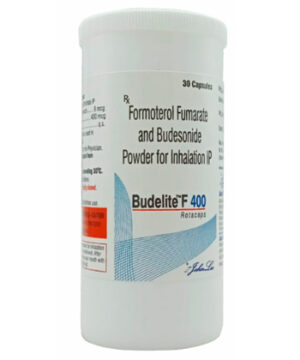

Budesonide Inhaler: Comprehensive Patient Information
Basic Product Information
| Active Ingredient (INN) | Budesonide |
|---|---|
| Common Australian Brand Names | Pulmicort®, Budenide®, Symbicort® (in combination), Respocort® |
| ATC Code | R03BA02 |
| Available Forms and Strengths | Metered dose inhaler (MDI): 100, 200 micrograms/puff Dry powder inhaler (Turbuhaler): 100, 200, 400 micrograms/dose Nebuliser suspension: 0.25 mg/mL, 0.5 mg/mL, 1 mg/mL |
| Manufacturers | AstraZeneca, Mylan Health, Apotex Pty Ltd |
| Legal Status in Australia | Prescription Only Medicine (S4 — Schedule 4) |
Mechanism of Action
For Patients: Budesonide is a type of medicine called a corticosteroid. It works inside your lungs to reduce swelling and irritation in the airways, making it easier to breathe if you have asthma or chronic obstructive pulmonary disease (COPD). It doesn’t provide instant relief during an asthma attack but helps prevent symptoms over time with regular use.
For Healthcare Providers: Budesonide exerts potent glucocorticoid activity with minimal mineralocorticoid effects. It suppresses inflammatory cytokine production, reduces airway hyperresponsiveness, and inhibits inflammatory cell migration and activation in bronchial tissues. Its high topical anti-inflammatory efficacy and extensive first-pass hepatic metabolism minimise systemic exposure after inhalation.
Pharmacokinetics
- Absorption: Approximately 39% of an inhaled dose reaches the lower airways; systemic bioavailability is 10–15%. The rest is swallowed and metabolised in the liver before reaching systemic circulation.
- Metabolism: Undergoes rapid hepatic first-pass metabolism via CYP3A4 enzymes to inactive metabolites.
- Elimination: Mostly via urine as metabolites; small portion via faeces.
- Half-life: 2–4 hours for systemic circulation; clinical effects are prolonged due to local activity.
- Duration of Action: Anti-inflammatory protection lasts ~12 hours after each dose.
Use in Everyday Life and Best Practices
- Typical Doses: Often prescribed at 200–800 micrograms per day for adults, divided into one or two inhalations morning and evening. Dosage varies with the severity of disease and patient age.
- How to Use:
- Shake the inhaler well (if metered dose inhaler) or load the dose (if Turbuhaler).
- Breathe out gently, place mouthpiece between lips, and inhale deeply and steadily.
- Hold your breath for about 10 seconds, then remove the inhaler and breathe out slowly.
- Rinse mouth with water and spit it out to reduce risk of oral thrush.
- Follow a written Asthma Action Plan as provided by your Australian GP or respiratory specialist.
- Australian Context: Most Australian asthma and COPD patients use inhalers daily as part of maintenance therapy. Asthma Australia and the National Asthma Council Australia recommend regular reviews with your GP to ensure your inhaler technique is effective.
- Storage: Store in a cool, dry place below 25°C. Do not freeze or expose to high temperatures (such as in a car during summer).
Dosing in the Morning vs Evening
- Advantages of Morning Dosing: May help with daytime symptoms, aligns with daily routines.
- Advantages of Evening Dosing: May reduce nocturnal symptoms; some patients experience improved control if the major dose is taken at night.
- Combination: Many Australians are prescribed twice-daily dosing (morning and evening). The most important factor is regularity and taking doses at approximately the same time(s) each day.
- Tips: Set alarms or use inhaler apps to remind you; keep your inhaler in a visible spot linked with another routine (e.g., next to your toothbrush).
Taking with Food or on an Empty Stomach
Budesonide inhalers can be used with or without food. Food does not affect the absorption of inhaled Budesonide, unlike oral corticosteroids, because it acts locally in the lungs. After use, rinse your mouth and avoid eating or drinking for 5-10 minutes to maximise the medicine’s local effect.
Australian Diet Context: No particular foods interact with inhaled Budesonide; continue with your usual Australian dietary habits. For oral or nebulised forms, always follow your doctor’s advice on meal timing.
Interaction Warnings
| Substance | Interaction | Recommendation |
|---|---|---|
| Ketoconazole, Itraconazole | Can increase budesonide levels (CYP3A4 inhibition) | May require dose adjustment; discuss with GP or pharmacist |
| Ritonavir (and other HIV protease inhibitors) | May greatly increase systemic corticosteroid effects | Avoid if possible; seek specialist advice |
| Grapefruit juice | May impair budesonide metabolism | Limit intake; consult pharmacist for personalised advice |
| Alcohol | No direct interaction, but may irritate airways in sensitive individuals | Limit if alcohol worsens your symptoms |
| Other corticosteroids | Increased risk of systemic side effects | Regular monitoring required |
| Vaccines (live attenuated) | Theoretical risk of reduced immune response with high-dose or long-term use | Seek GP advice before vaccination |
Indications
| Indication | Status | Notes |
|---|---|---|
| Asthma (adults and children >6 years) | Approved | Prevention and control of symptoms |
| Chronic Obstructive Pulmonary Disease (COPD) | Approved (in combination inhalers) | In moderate-to-severe COPD with frequent exacerbations |
| Non-infectious rhinitis (Nasal spray) | Approved (intranasal) | For hayfever and allergic rhinitis |
| Croup in children (Nebulised form) | Approved | Short-term treatment |
| Off-label: Eosinophilic pneumonia, inflammatory airway diseases | Off-label | Only with specialist advice |
Dosing According to Indication
| Patient Group / Indication | Typical Starting Dose | Maintenance Dose | Maximum Dose |
|---|---|---|---|
| Adults (Asthma) | 200–400 micrograms/day | 200–800 micrograms/day | 1600 micrograms/day (in divided doses) |
| Children 6–12 years (Asthma) | 100–200 micrograms/day | 100–400 micrograms/day | 800 micrograms/day |
| Elderly (over 65) | 200 micrograms/day | As for adults, lowest effective dose | 1600 micrograms/day |
| COPD (in combination with formoterol) | 1–2 inhalations twice daily | As per device instructions | As per device instructions |
| Croup (nebulised, paediatric) | 2 mg (once or divided 1 mg x 2) | N/A | Short-term only |
Safety Profile / Side Effects
| Side Effect | Frequency | Advice |
|---|---|---|
| Oral thrush (candidiasis) | Common | Rinse mouth and spit after use |
| Hoarse voice | Common | Monitor, check inhaler technique |
| Cough or throat irritation | Common | May improve with spacer device; see GP if troublesome |
| Skin bruising (with long-term use) | Uncommon | Report to GP if persistent |
| Suppressed growth (children, high-dose/long-term) | Rare | Monitor growth regularly |
| Allergic reaction (rash, swelling, breathing difficulty) | Very rare | Seek urgent medical help |
| Systemic corticosteroid effects (moon face, bone thinning) | Very rare, mainly with high doses | Regular medication reviews are important |
- Warnings: Seek medical advice if you experience chest tightness, unexplained bruising, persistent hoarseness, vision problems or any signs of infection.
- Pregnancy & Breastfeeding: Generally considered safe when prescribed; discuss with your maternity provider.
Guidelines for Proper Use (Australia)
- Always follow your GP’s or respiratory nurse’s advice on inhaler technique.
- Ask your pharmacy about free inhaler technique checks—most local pharmacies in Australia offer this service.
- Maintain a regular supply; big chains and online pharmacies can help manage repeats with reminder programs.
- Do not stop taking without your healthcare provider’s advice, even if symptoms improve.
- For children, supervise each use to optimise technique and monitor for oral side effects.
- Be prepared for bushfire smoke and high pollen seasons with an updated Asthma Action Plan.
Alternative Treatment Options
- Fluticasone propionate (Flixotide®): Similar inhaled corticosteroid; often used in Australia’s public reimbursement programs. Comparable efficacy, different dosing options.
- Beclometasone dipropionate (Qvar®, Beclazone®): Alternative inhaled steroid with similar indications; may cause more local side effects in some.
- Combination inhalers (e.g., Symbicort®, Seretide®, Breo®): Contain both a corticosteroid and a long-acting bronchodilator; convenient dosing.
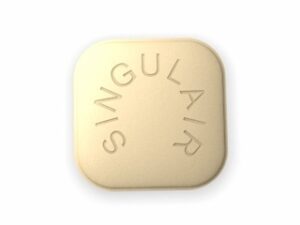
- Montelukast (Singulair®): Non-steroid, oral leukotriene receptor antagonist, less effective than steroids but useful for milder cases or children with night-time symptoms.
- Omalizumab, mepolizumab, and biologics: Used for severe asthma unresponsive to inhaled steroids. Require specialist prescription and PBS approval.
Note: All options above are generally available through the Pharmaceutical Benefits Scheme (PBS) with a Medicare card.
Legal, Registration, and Reimbursement Status in Australia
- Budesonide inhalers are Schedule 4 (S4) prescription-only medicines in Australia under the Poisons Standard.
- Therapeutic Goods Administration (TGA) regulates their registration and quality.
- Most brands are PBS-listed for eligible patients (asthma, COPD), offering significant cost subsidies with a Medicare card.
- Repeat prescriptions can be obtained from your GP, often valid for 12 months with regular reviews.
- Patient support programs and inhaler technique assessments are widely available through community pharmacies and respiratory clinics.
Latest Research and Clinical Guidance (2022–2025)
- The Australian Asthma Handbook (Version 2.2, 2022) continues to recommend regular low-dose inhaled corticosteroids (including budesonide) as first-line preventive therapy for persistent asthma.
- COPD Management: 2023 updates from the Global Initiative for Chronic Obstructive Lung Disease (GOLD) confirm budesonide/formoterol as effective for reducing COPD exacerbations in suitable patients.
- COVID-19: The PRINCIPLE study (Lancet, 2021; follow-up reviews 2023–2024) showed inhaled budesonide may modestly reduce time to recovery in high-risk COVID-19 outpatients, but it’s not routinely recommended by the TGA for this indication.
Availability and Delivery
- Pack Sizes:
- MDI or Turbuhaler: 100 doses (0.1 mg), 200 doses (0.2 mg), 120 doses (combination inhalers)
- Nebuliser solutions: boxes of 20 x 2 mL ampoules
- Indicative Retail Price (2024): $20–$30 per inhaler (PBS co-payment: $7.30 concessional, $30 general patient, subject to variation)
- Major Pharmacies: Available at all major pharmacy chains (TerryWhite Chemmart, Chemist Warehouse, Priceline) and independent community pharmacies.
| City | Next-Day Pickup | Home Delivery (Standard) | Express Delivery |
|---|---|---|---|
| Sydney | Yes | 1–2 business days | Same-day/next-day with some providers |
| Melbourne | Yes | 1–2 business days | Same-day/next-day |
| Brisbane | Yes | 1–2 business days | Next-day |
| Perth | Yes | 2–4 business days | 2 business days |
| Adelaide, Hobart, Canberra | Yes | 1–3 business days | Next-day |
Frequently Asked Questions (FAQ)
- 1. How quickly will I notice my symptoms improve with budesonide?
Some patients notice better breathing within a few days, but full benefits are usually seen after 1–2 weeks of regular use. - 2. Can I stop my budesonide inhaler if I feel well?
No, you should not stop unless advised by your doctor, as symptoms and flare-ups can return quickly when preventive medicine is stopped. - 3. What should I do if I miss a dose?
Take your next scheduled dose at the usual time. Do not double up. If you’re unsure, contact your pharmacist or GP. - 4. Is the budesonide inhaler safe for use in pregnancy?
Yes, current Australian guidance considers inhaled budesonide the preferred steroid for pregnant women with asthma, but always talk to your healthcare team first. - 5. Will using a spacer make a difference?
Yes, spacers are strongly recommended with metered dose inhalers (especially for children and older adults) to optimise delivery and reduce local side effects.
For any further concerns or to discuss your therapy, contact your local pharmacist, GP, or visit Asthma Australia for support.