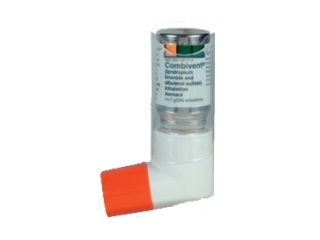
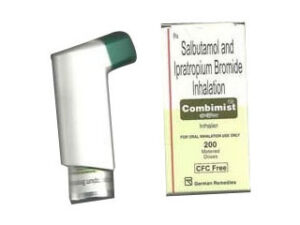
Combivent (Levosalbutamol / Ipratropium Bromide): Comprehensive Patient Information
Basic Product Information
| International Non-Proprietary Name (INN) | Levosalbutamol (also known as Levalbuterol) / Ipratropium Bromide |
|---|---|
| Common Australia Brand Names | Combivent, Combivent Respimat |
| ATC Code | R03AL02 |
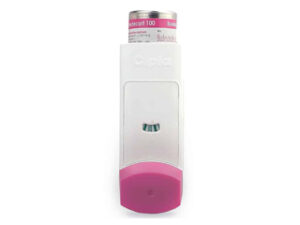
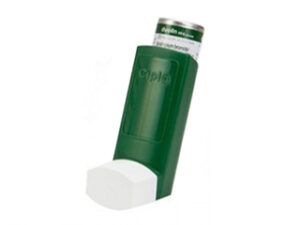
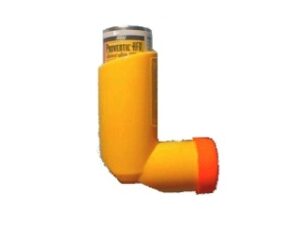
| Available Forms & Strengths | Inhalation aerosol (Metered Dose Inhaler): Levosalbutamol 100 mcg + Ipratropium bromide 20 mcg per puff Inhalation solution for nebulisation: Levosalbutamol 1.25 mg + Ipratropium bromide 0.5 mg per 2.5 mL |
| Manufacturers | Boehringer Ingelheim, others under license |
| Prescription Status (Australia) | Prescription Only Medicine (Schedule 4, S4) |
Mechanism of Action
Combivent combines two bronchodilator medicines: levosalbutamol, a short-acting beta2-agonist (SABA), and ipratropium bromide, a short-acting muscarinic antagonist (SAMA). Together, they work in two different ways to open the airways:
- For patients: Levosalbutamol relaxes the muscles in your airways, making it easier to breathe.
- Ipratropium helps block signals in your lungs that cause tightening, reducing mucus and improving airflow.
Pharmacokinetics
- Absorption: Rapid onset after inhalation; low systemic absorption due to local pulmonary delivery.
- Metabolism:
- Levosalbutamol: Hepatically metabolised via sulphate conjugation.
- Ipratropium: Partially metabolised by the liver to inactive metabolites.
- Elimination: Primarily excreted in urine (both drugs), with a minor fecal route for ipratropium.
- Duration of Action: Onset within 15 minutes, peak at 1-2 hours, effect lasts 4–6 hours.
Everyday Use and Best Practices in Australia
Combivent is typically prescribed for symptomatic relief in chronic obstructive pulmonary disease (COPD), chronic bronchitis, and in certain asthma cases when single-drug therapy is insufficient.
- Typical doses:
- Inhaler: 1–2 puffs up to four times daily; do not exceed 12 puffs per 24 hours unless specifically directed.
- Nebuliser solution: 2.5 mL (containing both actives) 3–4 times daily as recommended.
- How to use:
- Shake inhaler before use. Breathe out gently, place mouthpiece in mouth, press inhaler, and inhale deeply.
- If using a spacer, follow your pharmacist’s or nurse’s instructions.
- Keep your device clean and monitor your usage to avoid running out unexpectedly.
- Ensure regular review by a GP or respiratory nurse, especially if your condition changes.
Morning vs Evening Dosing
- Advantages of morning dosing:
- Improves symptoms during activities of daily living, as most patients are more active during the day.
- Lowers risk of missed doses due to routine setting.
- Evening dosing considerations:
- May help patients troubled by night-time respiratory symptoms (nocturnal dyspnoea).
- Be aware of possible sleep disturbances due to beta-agonist stimulation; take last dose at least 2–3 hours before bedtime if sensitive.
- Tips on regularity: Take doses at roughly the same time each day. Use reminders or phone alarms if needed.
Taking with Meals or on an Empty Stomach
Combivent may be taken before or after meals. Food has minimal effect on drug absorption since it is inhaled, rather than swallowed. Those with underlying gastrointestinal issues may find it preferable to avoid use immediately after a large meal.
- Australian dietary context: Typical English breakfasts, lunches, or dinners do not significantly affect Combivent’s absorption or effectiveness.
Drug, Food & Alcohol Interaction Warnings
| Substance | Interaction | Advice |
|---|---|---|
| Other bronchodilators (e.g., salbutamol, tiotropium) | Increased risk of side effects (palpitations, tremors, anticholinergic burden) | Avoid unless supervised by doctor |
| Beta-blockers (e.g., atenolol, metoprolol) | May reduce effectiveness of levosalbutamol | Consult your GP before use |
| MAO inhibitors, tricyclic antidepressants | Increased cardiovascular risk | Caution, discuss with prescriber |
| Potassium-wasting diuretics (e.g., furosemide, hydrochlorothiazide) | Hypokalaemia risk | Monitor potassium, seek advice |
| Alcohol | May increase drowsiness, dizziness | Limit or avoid alcohol use |
| Grapefruit or citrus juices | No known significant effect | Generally safe |
Indications
| Indication | Official / Off-label | Australian Approval |
|---|---|---|
| Chronic Obstructive Pulmonary Disease (COPD) | Official | Yes |
| Chronic bronchitis / Emphysema | Official | Yes |
| Asthma (adjunct, not first-line) | Off-label | At prescriber's discretion |
| Acute severe asthma (emergency) | Supportive/Off-label | Used in hospitals, not routine community use |
Dosing According to Clinical Indication
| Population | Usual Dose | Maximum Daily Dose | Special Considerations |
|---|---|---|---|
| Adults | 1–2 puffs 4 times daily (Max 12 puffs/day) | 12 puffs | Monitor for side effects, titrate to minimum effective dose |
| Paediatric (6–12 yrs) | 0.5–1 puff 3–4 times daily Use nebuliser solution as directed | 6 puffs | Strictly under specialist advice |
| Elderly (>65 yrs) | 1 puff 3–4 times daily | 8–12 puffs | Increased sensitivity to side effects; start low, titrate slowly |
Patient-specific adjustments may be needed. Always follow your prescriber’s instructions.
Safety Profile and Side Effects
- Common side effects (>1%):
- Dry mouth
- Cough immediately after inhalation
- Mild tremor or shakiness
- Headache
- Throat irritation
- Palpitations or “racing” heart sensation
- Uncommon/Rare effects (<1%):
- Urinary retention, especially in elderly males
- Blurred vision (if sprayed into eyes)
- Allergic reaction: rash, swelling, difficulty breathing (seek urgent help)
- Severe muscle cramps, low potassium
- Elevated blood pressure
- Warnings:
- If you experience chest pain, rapid or irregular heartbeat, severe dizziness or allergic reactions, seek medical attention urgently.
Guidelines for Proper Use (Australia)
- Check your inhaler technique regularly: Ask your pharmacist or nurse for a demonstration—videos are also available from the Lung Foundation Australia.
- Rinse your mouth after use to minimise dry mouth and prevent throat irritation.
- Carry a spacer device if recommended, especially for children or elderly.
- Store the inhaler in a dry place away from direct heat or sunlight. Avoid leaving it in a parked car.
- If you miss a dose, use it as soon as you remember, unless it’s nearly time for your next dose.
- Do not exceed the maximum daily dose—overuse may cause heart or nervous system side effects.
- Record your doses to avoid running out. Pharmacies in Australia can provide repeat reminders.
Alternative Treatment Options
- Single agents: Salbutamol (Ventolin), ipratropium (Atrovent)
- Long-acting alternatives: Tiotropium (Spiriva), formoterol, indacaterol (usually used in moderate/severe COPD)
- Other combinations: Tiotropium/Olodaterol (Spiolto Respimat), formoterol/budesonide (Symbicort), salmeterol/fluticasone (Seretide)
- Pros & cons overview:
- Short-acting combinations (like Combivent) act quickly and are useful for symptom relief, but require more frequent dosing.
- Long-acting inhalers offer convenience and fewer doses, but are often more expensive and may not be suitable for acute relief.
- PBS reimbursement: Many alternatives (including Combivent and single agents) are subsidised under the Pharmaceutical Benefits Scheme (PBS).
Legal, Registration, and Reimbursement Status (Australia)
- Registration: Registered by the Therapeutic Goods Administration (TGA).
- Legal status: Schedule 4 (Prescription Only).
- PBS: Generally covered for COPD and certain chronic lung diseases, subject to clinical criteria. Not typically covered for sole asthma unless combined with other therapy.
- Repeat prescriptions: Available and recommended for chronic therapy; consult your doctor for ongoing supply.
Latest Research and Clinical Guidance (2022–2025)
- COPD and chronic asthma guidelines (Lung Foundation Australia, NHMRC guidance):
- Combivent remains a recommended option for patients requiring both muscarinic and beta-adrenergic bronchodilators, especially if symptoms persist on monotherapy (2022–2023).
- Meta-analyses (Tran et al, 2022) found dual therapy to improve lung function and reduce exacerbations versus placebo and monotherapy.
- Recent push towards patient-centered inhaler choice based on device technique, cost, and access.
- Key safety update (TGA, 2024): Ongoing surveillance indicates Combivent remains well-tolerated in indicated populations, with adverse event profile matching international data.
- No substantial new off-label indications identified in Australian or British Thoracic Society guidelines (2024–2025).
Availability and Delivery in Australia
| Pack Size | Puffs per Pack | Indicative PBS Price (A$) | Delivery Time (Sydney) | Delivery Time (Melbourne) | Delivery Time (Perth) | Delivery Time (Brisbane) |
|---|---|---|---|---|---|---|
| 1 x 200-dose inhaler | 200 | $42.80 (general patient), $7.30 (concession, PBS, subject to eligibility) | 1-2 business days | 1–2 business days | 3-4 business days | 1–2 business days |
| 3 x 200-dose inhaler | 600 | $115–125 (may vary across pharmacies; PBS co-payment where applicable) | 1-3 business days | 1–3 business days | 4-6 business days | 1–3 business days |
| Nebule 2.5 mL x 20 | 20 doses | $28–32 (PBS co-payment applies where eligible) | 1–2 business days | 1–2 business days | 3–5 business days | 1–2 business days |
Most larger community pharmacies and major online pharmacies in Australia stock Combivent and related products with fast delivery insurance and postal tracking.
Frequently Asked Questions (FAQ)
- Do I need a prescription for Combivent in Australia?
Yes, Combivent is a prescription only medicine. Your GP or respiratory specialist will provide a script if appropriate for your condition. - Can I use Combivent as a rescue inhaler for asthma?
While Combivent may provide relief in acute asthma, it’s not usually first-line or preferred for emergencies. Have a rapid-acting beta-agonist (like Ventolin) available for rescue situations unless your doctor advises otherwise. - Is it safe to use Combivent for years?
Yes, when used as prescribed and monitored regularly. Long-term studies confirm its safety profile in chronic lung disease; attend check-ups and notify your doctor if side effects develop. - What should I do if I miss a dose?
Use the inhaler as soon as you remember unless it’s nearly time for your next scheduled dose. Do not double up doses. - Should I buy a spacer or any special device?
A spacer may improve delivery, especially for children and elderly patients. Your pharmacist or nurse can recommend the appropriate device for your situation.