
Principen (Ampicillin): Patient Information for Australia
Basic Product Information
| Active Ingredient (INN) | Ampicillin |
|---|---|
| Common Australia Brand Names | Principen, Ampilin, Totacillin |
| ATC Code | J01CA01 |
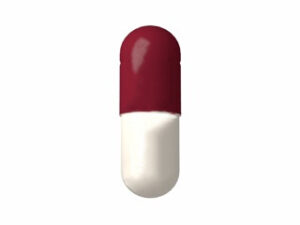
| Available Forms & Strengths | Capsules: 250 mg, 500 mg Oral suspension: 125 mg/5 mL, 250 mg/5 mL Injection/IV: 500 mg, 1 g, 2 g vials |
| Manufacturers (Australia) | Pfizer Australia Pty Ltd, Hospira Australia Pty Ltd, Arrotex Pharmaceuticals Pty Ltd |
| Prescription Status | Prescription Only Medicine (Schedule 4 / S4) |
Mechanism of Action
For All Patients:
Ampicillin belongs to the penicillin group of antibiotics. It works by stopping bacteria from building their cell walls, which are essential for their survival. Without a proper cell wall, bacteria cannot grow or multiply and are eventually destroyed by your body's immune system.
For Healthcare Professionals:
Ampicillin binds to penicillin-binding proteins (PBPs) inside the bacterial cell wall, inhibiting the third and final stage of bacterial cell wall synthesis. This leads to cell lysis and death in susceptible organisms, particularly Gram-positive and some Gram-negative bacteria.
Pharmacokinetics
- Absorption: Ampicillin is moderately absorbed from the gastrointestinal tract; oral bioavailability ranges from 30–55%. Peak serum concentrations occur 1–2 hours after dosing by mouth, and quicker after IV/IM administration.
- Distribution: Widely distributed in body tissues and fluids, including bile, lungs, and urine. Penetrates well into inflamed meninges, joints, and pericardial fluid.
- Metabolism: Minimal hepatic (liver) metabolism; most of the drug remains unchanged.
- Elimination: Eliminated primarily renally (via the kidneys) through glomerular filtration and tubular secretion. Half-life is approximately 1–2 hours in adults with normal kidney function. Prolonged in renal impairment.
- Duration of Action: Usually requires dosing 4–6 hourly due to short half-life.
Use in Everyday Life and Best Practices (English Context)
Ampicillin is usually taken four times daily (every 6 hours) for the treatment of bacterial infections such as chest infections, urinary tract infections, gastrointestinal infections, or sometimes skin or soft tissue infections. In Australia, you will generally receive a prescription for an appropriate dose and form (capsule, suspension, or injection) depending on your age, weight, and the type/severity of your infection.
- Typical Adult Dose (by mouth): 250 mg to 500 mg every 6 hours.
- Children’s Dosage: Calculated by weight (see dosing table below).
- For hospital care or severe infections: Higher doses or IV formulations may be required under medical supervision.
- Take the medicine evenly spread throughout the day (e.g., 6am, 12pm, 6pm, midnight) to maintain steady drug levels.
- Always finish the prescribed course even if you start to feel better before it is completed.
Try to take each dose at the same time each day to help build a routine. Set alarms or use a medication diary if needed. Plan dosing around your usual daily activities like meals or work shifts for best adherence. This is especially important for busy lifestyles in Australian cities.
Dosing: Morning vs Evening & Regularity Tips
- No strict preference: Ampicillin can be taken at any time of day, but doses should be evenly spaced (every six hours) – including overnight – to keep drug levels constant.
- Morning dosing: Starting your first dose in the morning can make it easier to coordinate with your schedule.
- Late evening dose: Set reminders if you are likely to forget overnight/midnight doses. Some patients find using a pillbox or a phone alarm helpful.
- Missed dose: Take as soon as you remember, unless it is nearly time for your next dose. Never double up to catch up.
Taking With Food or on an Empty Stomach
- Best taken on an empty stomach: Ampicillin is best absorbed on an empty stomach, at least 30–60 minutes before or 2 hours after meals.
- With food? Taking it with meals may reduce absorption and lower effectiveness. However, if you experience stomach upset, it may be taken with a light snack, but consult your doctor or pharmacist first.
- Australia dietary context: Stick to typical Australian meal patterns (breakfast, lunch, dinner), and plan your dosing before or between meals for best results.
Interaction Warnings
| Interaction | Advice |
|---|---|
| Food | Reduced absorption. Take on an empty stomach unless directed otherwise by your doctor. |
| Alcohol | No direct interaction, but limit excessive alcohol as it may impair your immune response and affect overall recovery. |
| Other antibiotics (e.g. tetracyclines, chloramphenicol) | May interfere with the activity of ampicillin. Always tell your doctor/pharmacist about all antibiotics (past and present) you use. |
| Oral contraceptives | Antibiotics may rarely reduce effectiveness of some oral contraceptives; consider using extra barrier methods during treatment and 7 days after. |
| Probenecid/allopurinol | Can increase ampicillin blood levels or risk of rash. Inform your prescriber if you use these medications. |
| Anticoagulants (e.g. warfarin) | Monitor INR more frequently; ampicillin can affect vitamin K synthesis, influencing bleeding risk. |
Indications
| Indication | Notes |
|---|---|
| Respiratory tract infections | Bronchitis, pneumonia caused by susceptible bacteria |
| Urinary tract infections (UTIs) | Particularly in uncomplicated cases |
| Gastrointestinal infections | Typhoid fever, shigellosis, salmonellosis (if susceptible) |
| Meningitis | As part of combination therapy under specialist care |
| Skin and soft tissue infections | Cellulitis, erysipelas, wound infections (if indicated) |
| Off-label: Endocarditis prophylaxis | In specific cardiological procedures, per specialist direction |
Dosing Table by Clinical Indication
| Indication/Population | Typical Dose & Frequency |
|---|---|
| Adults (oral, mild–moderate infections) | 250–500 mg every 6 hours (max 4 g daily) |
| Adults (severe/systemic infections or IV use) | Up to 1–2 g every 4–6 hours (max 14 g/day, specialist care) |
| Children (by weight, oral) | 25–50 mg/kg/day, divided 4 times/day |
| Infants/neonates | Use under paediatrician supervision; dosing adjusted for weight/age |
| Elderly & renal impairment | Start with adult dose, but monitor closely. Dose adjustment may be necessary; consult prescriber. |
Safety Profile & Side Effects
Ampicillin is generally safe but, like all medicines, can cause side effects. Most are mild and manageable, but some require prompt medical attention.
| Frequency | Possible Side Effects |
|---|---|
| Common (≥1%) | Diarrhoea, nausea, vomiting, mild rash, oral/vaginal thrush in longer courses |
| Less Common | Headache, dizziness, abdominal pain, joint pain |
| Rare but Serious | Severe allergic reactions (anaphylaxis)—rash, swelling, shortness of breath Severe diarrhoea (possible C. difficile infection) Severe skin reactions (Stevens-Johnson syndrome) |
- Warnings: Tell your doctor immediately if you have swelling, difficulty breathing, severe diarrhoea, or widespread rash.
- People with penicillin allergy must not use ampicillin. Cross-allergy may also exist with other beta-lactams.
- If you develop persistent diarrhoea, seek medical attention.
Guidelines for Proper Use (Pharmacist Advice for Australia)
- Take each dose as directed and finish the full course, even if you feel better.
- Do not stop or skip doses; inconsistent use can promote resistance and reduce effectiveness.
- Read and retain your Consumer Medicine Information (CMI) leaflet—supplied with your prescription.
- Store capsules below 25°C and in a dry place (not in the bathroom). Oral suspension should be refrigerated and used within 7 days of reconstitution.
- Return any unused or expired medication to your local Australia pharmacy for safe disposal.
- If you have a history of allergies to antibiotics, inform your doctor and pharmacist before starting treatment.
- Contact your doctor if no improvement after 3 days, or if your symptoms worsen.
- Avoid driving or operating heavy machinery if you experience dizziness or drowsiness.
Alternative Treatment Options (Australia)
- Other penicillins: Amoxicillin (greater oral absorption, less frequent dosing, often first-line for many infections)
- Cephalosporins: Cephalexin, cefuroxime (good for penicillin-allergic patients not cross-reactive; broader coverage)
- Macrolides: Azithromycin, clarithromycin (suitable for penicillin-allergic patients; different spectrum)
- Other options: Quinolones, trimethoprim, nitrofurantoin (special circumstances; consider resistance and side effect profiles)
Comparative Pros & Cons:
Amoxicillin is often preferred for oral treatment due to better absorption and less frequent dosing. Macrolides are useful alternatives for those with penicillin allergy but may not be effective against all bacteria. Cephalosporins are similar but can cause allergic reactions in some penicillin-allergic individuals. Always consult your prescriber for the most effective and safest alternative for your infection.
Legal, Registration, and Reimbursement Status in Australia
- Registered with the Therapeutic Goods Administration (TGA).
- Prescription-Only (S4) – must be prescribed by a registered medical practitioner.
- Reimbursed under the Pharmaceutical Benefits Scheme (PBS) in certain indications; check with your pharmacy for PBS pricing and eligibility.
- Guidance and updates issued by the Australian Government Department of Health and Aged Care, and NPS MedicineWise.
- Not available over the counter (OTC) in Australia; schedule and reimbursement status may change with regulatory review.
Latest Research and Clinical Guidance (2022–2025)
- Australian Therapeutic Guidelines (2023): Confirm ampicillin’s role in the management of meningitis (combination therapy), selected urinary, respiratory, and gastrointestinal infections (Guidelines Project, Therapeutic Guidelines Limited, 2023).
- Australian Commission on Safety and Quality in Health Care (2022–2024): Emphasises antimicrobial stewardship and highlights the importance of completing full antibiotic courses and avoiding unnecessary antibiotic use (AURA 2023: Fourth Australian report on antimicrobial use and resistance in human health).
- Emerging concerns (2023–2024): Continuing surveillance of ampicillin resistance in common bacteria, recommending alternative choices when resistance is high (Australian Society for Antimicrobials, 2023).
- International Review (BMJ, JAMA, 2022–2025): Ampicillin remains effective for sensitive strains, but resistance patterns should always be considered at the local/individual level.
Availability and Delivery
| Pack Size | Common Form | Indicative PBS Price | Availability |
|---|---|---|---|
| 24 capsules | 250 mg, 500 mg | $6.10 (with prescription, PBS concessional price) | Most urban and regional pharmacies |
| 100 mL bottle (oral suspension) | 125 mg/5 mL, 250 mg/5 mL | $7.20 (with prescription, PBS price) | Available on next-business-day order if not in stock |
| IV vials | 1 g, 2 g | N/A – provided in hospital | Hospital and specialist clinics only |
| Major City | Estimated Pharmacy Delivery/Collection Time |
|---|---|
| Sydney | Same day to 24 hours |
| Melbourne | Same day to 24 hours |
| Brisbane | Same day to 36 hours |
| Perth | 24–48 hours (regional areas may take longer) |
| Adelaide | 24 hours |
Note: Prices may vary. Check with your pharmacy for the latest reimbursement and supply details.
Frequently Asked Questions (FAQ)
- Can I take ampicillin with food?
For best absorption, take ampicillin on an empty stomach (about 30–60 minutes before or 2 hours after meals). If you have nausea or stomach upset, speak to your pharmacist or doctor. - What if I miss a dose?
Take it as soon as you remember unless it is close to your next scheduled dose. Do not take two doses at the same time. Continue your course as directed. - Is it safe if I have a penicillin allergy?
No. Do not take ampicillin if you have had a previous allergic reaction to penicillins or severe side effects to other beta-lactam antibiotics. Always tell your healthcare team about your allergies. - Can I drink alcohol while taking this medicine?
There is no direct drug-alcohol interaction, but alcohol may reduce your immune response and cause extra stomach upset. It’s best to moderate alcohol use and focus on recovery. - How long does it take to work?
Improvements are typically seen in 1 to 3 days for most infections, but you must complete the full prescribed course even if you feel better before it is finished.
For more information, check the CMI leaflets provided with your prescription, or speak with your local Australia pharmacist or GP.
This information is intended for Australian patients. Always use medicines strictly as directed by your healthcare professional.