Cephalexin: Patient Information Guide (Australia)
1. Basic Product Information
| International Nonproprietary Name (INN) | Cephalexin |
|---|---|
| Brand Names in Australia | Keflex, Cephalexin Sandoz, Cephalexin Alphapharm, Apo-Cephalexin |
| ATC Code | J01DB01 |
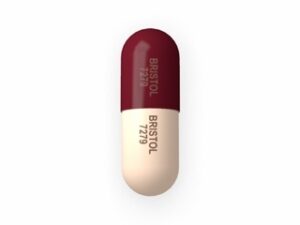
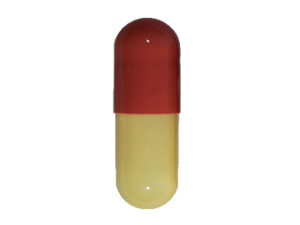
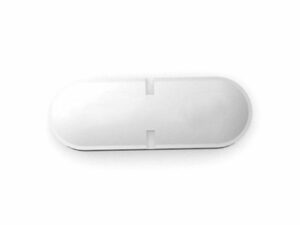
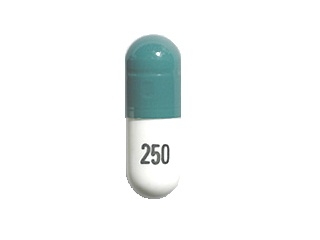
| Available Forms & Strengths | Tablets: 250 mg, 500 mg Capsules: 250 mg, 500 mg Oral suspension: 125 mg/5 mL, 250 mg/5 mL |
| Manufacturers | Sandoz, Alphapharm, Apotex, Arrow Pharmaceuticals |
| Prescription Status | Prescription Only Medicine (Schedule 4, S4) |
2. How Cephalexin Works
In Simple Terms:Cephalexin is an antibiotic used to fight bacterial infections. It works by stopping the bacteria from building their protective cell wall, which leads to the bacteria dying and the infection clearing up.
For Specialists:Cephalexin is a first-generation cephalosporin that inhibits bacterial cell wall synthesis by binding to penicillin-binding proteins, ultimately causing bacterial lysis. It is effective primarily against Gram-positive bacteria and some Gram-negative organisms.
3. Pharmacokinetics
- Absorption: Well absorbed orally; peak plasma concentration within 1 hour of ingestion.
- Distribution: Widely distributed in most body tissues and fluids, excluding cerebrospinal fluid unless meninges are inflamed.
- Metabolism: Minimal hepatic metabolism; most of the drug remains unchanged.
- Elimination: Mainly excreted unchanged in urine; half-life ~1 hour in normal renal function.
- Duration of Action: Usually 6–12 hours, depending on dose and kidney function.
4. Everyday Use & Best Practices
Cephalexin is prescribed by your GP or specialist for various infections, including those affecting the throat, tonsils, skin, bones, ears, and urinary tract. Always take cephalexin precisely as your doctor instructs. Complete the entire course, even if you feel better earlier, to prevent the infection from returning.
- Typical Adult Dose: 250–500 mg every 6 or 12 hours, depending on the type/severity of infection.
- Typical Child Dose: Calculated by weight (generally 25–50 mg/kg per day, divided in 2–4 doses).
- When to Take: Try to take doses at the same times daily (for example, morning and evening) for best effectiveness.
- Course Length: Usually 5 to 7 days, but may be longer for certain infections (e.g., bone infections).
- Missed Dose: Take as soon as you remember. If almost time for your next dose, skip the missed dose—never double-dose.
5. Morning vs. Evening Dosing
- Morning: May suit people with gastrointestinal sensitivity, as taking cephalexin in the morning with breakfast can reduce stomach upset.
- Evening: Convenient before bed; ensure enough time between evening and next morning dose for twice-daily dosing.
- Tip: Take at regular intervals (every 6 or 12 hours), set reminders if needed for consistent coverage.
6. Food and Dietary Advice for Australians
You can take cephalexin with or without food. However, if it causes stomach upset, try it after a meal or light snack (such as toast and Vegemite, or cereal). There are no major food restrictions.
- With Food: May lessen nausea or stomach upset.
- Without Food: Slightly faster absorption, but not essential for most people.
- Alcohol: Light consumption is not known to directly interact, but heavy drinking may reduce immune response and increase side effect risk.
7. Interaction Warnings
| Interacting Substance | Type of Interaction | Advice for Patients |
|---|---|---|
| Probenecid | Increases cephalexin blood levels | Inform your doctor if you are prescribed probenecid. |
| Metformin | Potential for increased metformin levels | Monitor blood sugar closely; consult your GP if concerned. |
| BCG vaccine | May reduce effectiveness | Discuss recent vaccinations with your doctor. |
| Live Typhoid vaccine | May reduce effectiveness | Postpone vaccination during/shortly after antibiotics. |
| Warfarin & anticoagulants | Potential increased bleeding risk | Regular INR monitoring recommended. |
| Alcohol | No significant direct interaction | Prefer moderation; heavy use not advised during infection. |
| Dairy & Calcium-rich Antacids | No significant effect | Fine to take cephalexin with normal dairy meals. |
8. Indications
| Condition | Official (TGA) | Off-label (Specialist Use) |
|---|---|---|
| Respiratory tract infections (excluding pneumonia) | Yes | No |
| Otitis media (middle ear) | Yes | No |
| Skin and soft tissue infections | Yes | No |
| Bone and joint infections | Yes | No |
| Urinary tract infections (uncomplicated) | Yes | No |
| Dental infections | No | Sometimes |
| Prophylaxis in surgical procedures | No | Specialist only |
9. Dosing by Indication and Age Group
| Group | Indication | Dose | Frequency | Duration |
|---|---|---|---|---|
| Adults | Most infections | 500 mg | Every 12 hours | 5–7 days |
| Pediatrics (≥1 year) | Most infections | 25–50 mg/kg/day (max 4 g) | Divided every 12 hours | 5–7 days |
| Older Adults | Most infections | 500 mg | Every 12 hours | 5–7 days, dosage may be adjusted if kidney impairment |
| Adults (Bone infection) | Osteomyelitis | 500 mg–1 g | Every 6 hours | Up to 6 weeks |
| Renal Impairment | Adjust as directed | Individualised | — | — |
10. Safety Profile & Side Effects
| Side Effect | How Common | What to Do |
|---|---|---|
| Nausea, vomiting, diarrhoea | Common | Up to 1 in 10 | Try taking with food; ensure good hydration |
| Allergic reactions (rash, hives, swelling) | Uncommon | 1–2% | Contact GP or attend emergency if severe |
| Itching or mild rash | Uncommon | See your pharmacist or GP if bothersome |
| Thrush (oral/vaginal) | Uncommon | Ask pharmacist for advice if symptoms develop |
| Severe diarrhoea (C. difficile) | Very rare | Seek urgent medical advice; do not self-treat |
| Seizures (high doses, kidney impairment) | Very rare | Advise your doctor of kidney issues before starting |
- Do not use if allergic to cephalosporins or penicillins, unless advised and monitored by a specialist.
- Inform your doctor of any history of severe allergies, kidney disease, or ongoing gastrointestinal issues.
- If you develop swelling of the lips/face, shortness of breath, or a widespread rash, seek emergency care.
11. Guidelines for Proper Use (Australia-Specific Advice)
- Always take the complete course of antibiotics, even if you feel better before finishing.
- Store capsules/tablets at room temperature (below 25°C), away from heat, light, and children. Store prepared oral suspensions in the fridge (2–8°C) and discard after 14 days.
- Do not share antibiotics with others or save leftover doses—this increases resistance and may not treat other infections.
- Used in Australia’s Pharmaceutical Benefits Scheme (PBS) for eligible infections—your pharmacist can advise on co-payment and concessional status.
- Carry a medication list or alert if you have a history of severe antibiotic allergies.
- If you forget a dose, take it as soon as you remember, but don’t take double doses.
12. Alternative Treatment Options
- Amoxicillin: Suitable for similar infections; not suitable for penicillin-allergic patients. Often PBS-listed. Fewer skin-related side effects but more cross-allergy with cephalexin.
- Trimethoprim/Sulfamethoxazole: Useful for urinary tract infections when cephalexin isn’t suitable; not always effective for skin infections.
- Clindamycin: Useful for skin/soft tissue infections and in penicillin-allergic patients but higher risk of causing C. difficile diarrhoea.
- Macrolides (e.g., azithromycin): Used mostly for respiratory and some skin infections, good for penicillin-allergic individuals, but may have more gastrointestinal side effects.
- Fluoroquinolones: Sometimes used in complicated urinary infections; restricted use due to side effect risks and resistance concerns in Australia.
Your doctor will consider your specific situation, allergies, infection type, local resistance patterns, and PBS coverage when recommending alternatives.
13. Legal, Registration, and Reimbursement Status (Australia)
- TGA Registration: Cephalexin is registered and approved for use by the Therapeutic Goods Administration (TGA).
- Legal Category: Schedule 4 (Prescription Only) medication—must be prescribed by a licensed medical professional.
- PBS (Pharmaceutical Benefits Scheme): Most cephalexin products are PBS listed for approved indications, reducing cost for eligible patients.
- Reimbursement: Patients with health care or concession cards may pay lower co-payments for their prescriptions.
- URPL / MZ / NFZ: Not applicable. Australian regulatory system includes TGA and PBS.
14. Latest Research & Clinical Guidance (2022–2025)
- Guidance: Recent Australian Therapeutic Guidelines (2022–2025) continue to support cephalexin as first-line therapy for uncomplicated skin and soft tissue infections, and for certain upper urinary tract infections, provided local bacterial resistance rates remain low.
- Antibiotic Stewardship: National action plans and local HealthPathways stress reducing unnecessary cephalexin use to minimise antibiotic resistance in the community (Therapeutic Guidelines Australia, 2024 update).
- Paediatric Use: Recent studies have confirmed safety in children, except in cases of high-dose or prolonged use, where close monitoring for gastrointestinal effects is warranted (J Infect Dis Soc Aust NZ, 2023).
- Australian Practice: Cephalexin is rarely used for pneumonia, and never for hospital-acquired or severe infections due to limited spectrum (Royal Australasian College of Physicians, 2024).
15. Availability, Pack Sizes & Pricing
| Pack Size | Formulation | Indicative Price (A$) | PBS Co-payment Range |
|---|---|---|---|
| 20, 100 | 500 mg capsules/tablets | $8–$32 (private); $6.70–$34 (concession) | As low as $6.70 ($0.00 for some concession card holders) |
| 100 mL, 200 mL | 125 mg/5 mL, 250 mg/5 mL oral suspension | $7–$20 | $6.70–$7 |
| City | In-Store | Standard Delivery | Express Delivery |
|---|---|---|---|
| Sydney | Immediate/1–2 hrs | 1–2 days | Same day–1 day |
| Melbourne | Immediate/1–2 hrs | 1–2 days | Same day–1 day |
| Brisbane | Immediate | 2 days | Next day |
| Perth, Adelaide | Immediate | 2–3 days | 1–2 days |
| Hobart, Darwin | Immediate–Next day | 2–4 days | 1–2 days |
16. Frequently Asked Questions (FAQ)
1. Can I drink alcohol while taking cephalexin?Moderate alcohol intake is unlikely to interfere with cephalexin’s effectiveness. However, drinking heavily is not recommended, as it can weaken your immune system and worsen certain side effects (such as nausea or dizziness).
2. I am allergic to penicillin—can I take cephalexin?If you’ve had a mild rash with penicillins, you may tolerate cephalexin, but you must tell your doctor and pharmacist. Anyone with a past severe penicillin allergy (anaphylaxis, severe rash) should generally avoid cephalexin and use alternatives.
3. What should I do if I miss a dose?Take your missed dose as soon as you remember unless it is close to the time for your next dose. Do not take two doses at once; continue with your regular schedule.
4. Will cephalexin affect my oral contraceptive pill?Cephalexin does not reduce the effectiveness of the combined oral contraceptive pill, unlike some antibiotics. However, vomiting or diarrhoea caused by illness may still impact contraceptive effectiveness—follow NHS guidelines if ill.
5. How should I store cephalexin oral suspension?Keep the prepared liquid in the refrigerator (2–8°C). Discard any unused portion after 14 days or as directed on the label.
For more information: Always consult your GP, pharmacist, or the NPS MedicineWise consumer guide on cephalexin.