
Cefadroxil: Patient Information for Australia
Basic Product Information
| International Non-Proprietary Name (INN) | Cefadroxil |
|---|---|
| Common Australia Brand Names | Duricef®, Ranicin® (select compounding pharmacies), Cefadroxil Sandoz® (as available) |
| ATC Code | J01DB05 |
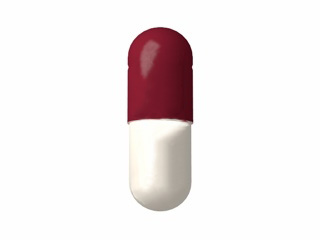
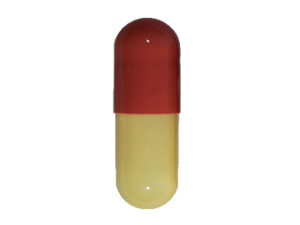
| Available Forms and Strengths | Capsules (500 mg), Tablets (500 mg, 1 g), Powder for oral suspension (125 mg/5 mL, 250 mg/5 mL, 500 mg/5 mL) |
| Manufacturers | Sandoz Australia Pty Ltd, Teva Pharma Australia, regional compounders |
| Prescription Status | Prescription Only Medicine (Schedule 4, S4) |
Mechanism of Action
For Patients: Cefadroxil is an antibiotic that works by killing bacteria causing your infection. It stops bacteria from building their protective cell walls, so your body can get rid of them.
For Specialists: Cefadroxil is a first-generation cephalosporin. It inhibits bacterial cell wall synthesis by binding to penicillin-binding proteins, leading to lysis of susceptible organisms. It is bactericidal, especially against Gram-positive cocci and some Gram-negative bacteria.
Pharmacokinetics
- Absorption: Well absorbed (over 90%) when taken by mouth. Peak blood levels reached within 1–2.5 hours.
- Metabolism: Minimal hepatic metabolism. Most of the drug remains unchanged in the body.
- Elimination: Excreted mainly via the kidneys (urine). People with reduced kidney function clear the drug more slowly.
- Duration of Action: Effective concentrations usually maintained for 12–24 hours depending on dose and renal function.
Use in Everyday Life and Best Practices
Typical Uses: Cefadroxil is generally prescribed for skin infections, tonsillitis, pharyngitis, urinary tract infections (UTIs), and occasionally some dental or bone infections. Its use is determined by your doctor, based on your specific infection and medical history.
- Typical doses: Adults: 500 mg to 1 g once or twice daily. Children: Dose based on weight (see dosing table below).
- How to use: Take exactly as prescribed. Complete the full course, even if symptoms improve before finishing the medication.
- Storage: Store capsules and tablets below 25°C. Oral suspension must be refrigerated (2–8°C) and used within 14 days of preparation.
- Missed dose: Take as soon as you remember. If it’s almost time for the next dose, skip the missed dose and resume your schedule—do not double dose.
Dosing in the Morning vs Evening
- Dosing frequency: Once or twice daily, based on prescription.
- Morning dosing: May help maintain a routine and enhances adherence, especially for once-daily regimens. Less likely to disrupt sleep if mild stomach upset occurs.
- Evening dosing: Suitable if recommended twice daily, but ensure doses are spaced evenly (every 12 hours for twice daily). Avoid taking immediately before bed if you experience gastrointestinal side effects.
- Tip: Take doses at the same time each day for best results.
Taking with Food or on an Empty Stomach
- Cefadroxil may be taken with or without food. Food does not significantly reduce absorption.
- Eating before your dose may help reduce the chance of stomach upset, especially for individuals sensitive to antibiotics.
- No restrictions on dairy, bread, or fruit—enjoy typical Australian meals, unless advised otherwise by your doctor.
Interaction Warnings
| Interaction | Description & Recommendation |
|---|---|
| Alcohol | No major interaction. However, excessive alcohol may irritate the stomach and reduce tolerance to antibiotics in some people. |
| Antacids (aluminium/magnesium) | May slow absorption slightly — best to separate by 1–2 hours from Cefadroxil. |
| Probenecid | Can increase levels of Cefadroxil in the body. Dosage adjustment may be needed under a doctor’s supervision. |
| Oral contraceptives | No significant reduction in effectiveness, but report any diarrhoea or vomiting to your doctor. |
| Other antibiotics | Let your healthcare provider know about any antibiotics you’re taking to avoid duplication or antagonistic effects. |
| Live vaccines (e.g., Typhoid oral) | Antibiotics can reduce vaccine effectiveness. Discuss with your GP if you're planning immunisations. |
Indications
| Indication | Notes |
|---|---|
| Skin and soft tissue infections | Impetigo, cellulitis, wound infections |
| Respiratory tract infections | Tonsillitis, pharyngitis caused by Streptococcus pyogenes |
| Urinary tract infections | Cystitis, uncomplicated infections |
| Bone and joint infections | Off-label; when guided by organism sensitivity |
| Prophylaxis in dental procedures | For patients at risk of infective endocarditis (specialist guidance) |
Dosing According to Clinical Indications
| Patient Group | Typical Dose | Frequency | Duration | Notes |
|---|---|---|---|---|
| Adults (skin, UTI) | 500 mg–1 g | Once or twice daily | 5–10 days | As directed by prescriber |
| Children (>1 month) | 25–50 mg/kg body weight | Once or twice daily | 5–10 days | Maximum 2 g per day |
| Elderly (with normal renal function) | Same as adults | As above | As above | Monitor kidney function |
| Severe renal impairment | Adjust dose | Individualised regimen | As above | Specialist advice required |
Safety Profile/Side Effects
| Side Effect | Frequency/Notes |
|---|---|
| Diarrhoea, nausea, vomiting | Common; usually mild and self-limited |
| Skin rash, itching | Occasional; stop medication and seek advice if severe |
| Allergic reactions (hives, swelling, difficulty breathing) | Rare but serious; seek urgent medical help |
| Thrush in mouth or vagina | Possible; more likely with longer use |
| Liver enzyme changes | Rare; usually not clinically significant |
| Antibiotic-associated colitis (severe diarrhoea) | Rare; seek medical attention if this occurs |
Guidelines for Proper Use (Australia Context)
- Always follow your doctor’s instructions regarding dose and duration.
- Maintain good hydration—drink water regularly, especially in the Australian climate.
- Do not skip doses or stop early, even if you feel better.
- Hand hygiene is vital: always wash your hands before and after taking medication.
- Report any new or worrying side effects to your pharmacist or GP without delay.
- Do not share your antibiotics or use leftovers from a previous illness.
- Return any unused medicine to your local pharmacy for safe disposal.
Alternative Treatment Options
- Other first-generation cephalosporins: Cephalexin (widely available, similar spectrum against skin and respiratory infections)
- Penicillins: Amoxicillin, Flucloxacillin (first-line for many strep and staph infections)
- Macrolides: Azithromycin, Clarithromycin (useful in penicillin allergy, but risk of resistance higher)
- Trimethoprim: In urinary tract infection, especially if cephalosporins contraindicated
Pros: Cefadroxil is convenient (once or twice daily dosing), broad-spectrum, and generally well-tolerated.
Cons: Not suitable for infections needing second or third-generation cephalosporins or if there is cephalosporin allergy.
Legal, Registration, and Reimbursement Status in Australia
- Legal Category: Schedule 4 (S4) — Prescription only.
- Registration: Registered for use by the Therapeutic Goods Administration (TGA).
- Reimbursement: Some brands may be covered under the Pharmaceutical Benefits Scheme (PBS) for certain indications. Your pharmacist or physician can clarify current subsidies.
Latest Research & Clinical Guidance (2022–2025)
- Australian Therapeutic Guidelines: Antibiotic (2022–2025 editions): Cefadroxil remains a recommended option for treating streptococcal pharyngitis, selected skin infections, and certain UTIs where first-line agents are unsuitable or not tolerated.
- AMH (Australian Medicines Handbook) 2024: Cefadroxil is effective for susceptible infections but should be reserved for cases where narrower-spectrum agents are not adequate.
- Latest Studies: Systematic reviews support cefadroxil's efficacy and tolerability; confirm low rates of serious side effects. Cited in: Zimmermann P et al., "Efficacy and safety of first-generation cephalosporins in children," Journal of Paediatric Infectious Diseases, 2023.
Availability and Delivery
| Pack Size | Formulation | Indicative PBS Price* | Estimated Delivery (Sydney) | Estimated Delivery (Melbourne) | Estimated Delivery (Perth) |
|---|---|---|---|---|---|
| 10 capsules/tablets | 500 mg | $13–18 | Same Day/Next Day | 1–2 Days | 2–3 Days |
| 20 capsules/tablets | 500 mg/1 g | $24–31 | Same Day/Next Day | 1–2 Days | 2–4 Days |
| Oral suspension 100 mL | 250 mg/5 mL | $12–16 | Same Day/Next Day | 1–2 Days | 2–4 Days |
* PBS prices and delivery times are indicative only. Always check with your pharmacy for current pricing and options.
Frequently Asked Questions (FAQ)
- Can I drink alcohol while taking Cefadroxil?
Light to moderate alcohol use is unlikely to cause problems with Cefadroxil. However, heavy drinking may upset the stomach and affect your recovery. If unsure, ask your pharmacist. - What should I do if I miss a dose?
Take it as soon as you remember. If it’s almost time for your next dose, skip the missed dose—do not double up. - Can Cefadroxil treat COVID-19 or viral infections?
No—Cefadroxil only works on bacterial infections. It will not help against COVID-19, flu, or the common cold. - Is it safe during pregnancy or breastfeeding?
Cefadroxil is generally regarded as safe during pregnancy and breastfeeding, but always consult your doctor for individual advice. - Do I need to finish the whole course?
Yes—complete the entire course even if you feel better, as stopping early can lead to the infection returning or antibiotic resistance.
Always consult your pharmacist or doctor if you have any further questions about this medicine or your treatment plan.