
Amoxicillin: Comprehensive Patient Information for Australia
Basic Product Information
| International Non-proprietary Name (INN) | Amoxicillin |
|---|---|
| Common Australia Brand Names | Amoxil, Alphamox, Cilamox, Moxacin, Apo-Amoxi, Chemmart Amoxicillin |
| ATC Code | J01CA04 |
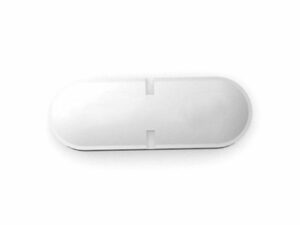
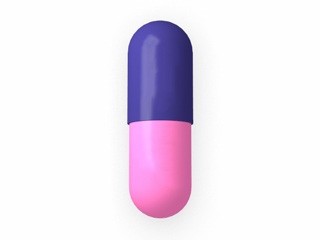
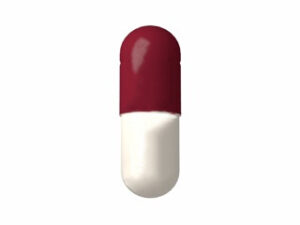
| Available Forms & Strengths | Capsules (250mg, 500mg); Oral suspension (125mg/5mL, 250mg/5mL); Tablets (500mg, 875mg); Paediatric drops |
| Manufacturers | GlaxoSmithKline, Alphapharm, Sandoz, generic manufacturers |
| Legal Classification | Schedule 4 (Prescription Only Medicine) in Australia |
Mechanism of Action
In simple terms: Amoxicillin is an antibiotic medicine that fights certain bacterial infections. It works by stopping bacteria from building their protective cell walls, which kills them and helps the body recover from infection.
For specialists: Amoxicillin is a semi-synthetic beta-lactam antibiotic in the aminopenicillin class. It inhibits bacterial cell wall synthesis by binding to penicillin-binding proteins, leading to cell lysis and death (bactericidal effect). It is effective against most Gram-positive and some Gram-negative bacteria but inactivated by beta-lactamase-producing organisms unless combined with inhibitors (e.g., clavulanic acid).
Pharmacokinetics
- Absorption: Well absorbed orally; bioavailability approximately 95%.
- Metabolism: Minimally metabolised by liver; most excreted unchanged.
- Elimination: Mainly via kidneys (renal excretion); small amount in faeces.
- Duration of Action: Half-life around 1–1.5 hours in healthy adults; may be prolonged in renal impairment.
Use in Everyday Life and Best Practices in Australia
Amoxicillin is commonly prescribed in Australia for a range of bacterial infections, including middle ear infections (otitis media), sinusitis, sore throat (pharyngitis/tonsillitis), chest infections (bronchitis, pneumonia), urinary tract infections (UTIs), dental infections, and select skin infections. Amoxicillin should always be taken as directed by your doctor or pharmacist, even if you start to feel better before finishing the prescribed course. Do not share antibiotics with others or save them for later use.
- Typical Adult Dose: 250mg–500mg every 8 hours (three times daily) or 500mg–875mg every 12 hours (twice daily), depending on the infection.
- Paediatric Dose: Dose adjusted by weight (usually 20–40mg/kg/day in divided doses), as directed by prescriber.
- Swallow whole: Capsules and tablets should be swallowed whole with water. Suspensions should be well-shaken and measured with appropriate device.
- Duration: Courses typically last 5–10 days but may vary for specific infections.
Dosing in the Morning vs Evening
- Advantages of Regular Timing: Taking doses at the same time each day helps maintain a consistent level of medicine in your body, improving effectiveness.
- Morning Dose: Easier to remember, fits with daily routine; may be better if you experience mild stomach discomfort.
- Evening Dose: Suited for twice-daily regimens; helps if symptoms worsen at night or if morning doses are missed.
- Tips: Choose times you can remember (e.g., breakfast, dinner). Use phone reminders or pill boxes to avoid missed doses.
Always try to space doses evenly throughout the day. If you miss a dose, take it as soon as you remember unless it's nearly time for your next dose—never double up.
Taking with Food or on an Empty Stomach
- Amoxicillin can be taken with or without food. Food has little effect on absorption but may reduce stomach upset in sensitive individuals.
- For children, mixing the suspension with a small amount of milk or fruit juice is acceptable and often helps with taste.
- If you experience nausea, taking the medicine with a light meal (e.g., sandwich, toast) may help.
- No foods common in the UK English diet, such as tea, dairy, meat, or bread, are known to notably interact with amoxicillin.
Interaction Warnings
Always tell your doctor or pharmacist about all medications you are taking, including prescription, over-the-counter, and herbal products.
| Interacting Agent | Interaction | Advice |
|---|---|---|
| Oral Contraceptives | May reduce contraceptive effectiveness (rare) | Consider additional contraception during antibiotic use |
| Anticoagulants (e.g., warfarin) | May increase risk of bleeding | Monitor INR; seek advice if bruising/bleeding develops |
| Allopurinol | Increased risk of skin rash | Inform doctor if on both medicines |
| Methotrexate | Reduced methotrexate clearance, potential toxicity | May require dosage adjustment and monitoring |
| Alcohol | Does not directly interact, but excessive use may delay recovery | Limit alcohol during antibiotic course |
| Live Vaccines (e.g., typhoid) | May reduce vaccine efficacy | Postpone vaccination while on antibiotics |
Clinical Indications
| Condition | Schedule/Proposed Use |
|---|---|
| Bacterial sinusitis, otitis media, pharyngitis, tonsillitis | Standard (first-line) indication |
| Community-acquired pneumonia, acute bronchitis | First-line or adjunct therapy |
| Urinary tract infections (uncomplicated) | Alternative in select settings |
| Dental abscess/infection | Standard use |
| Helicobacter pylori eradication (part of multidrug regimen) | Combined therapy with other agents |
| Endocarditis prophylaxis (pre-dental procedure, at-risk patients) | Off-label, specialist guidance |
Dosing According to Clinical Indication
| Indication | Adults | Children | Elderly |
|---|---|---|---|
| Sinusitis/otitis media/pharyngitis | 500mg every 8 hours for 5–7 days | 20–40mg/kg/day in divided doses | As for adults, adjust if renal function reduced |
| Bronchitis/pneumonia | 500mg–1g every 8 hours | 25–50mg/kg/day in divided doses | Monitor renal function |
| Urinary tract infection | 500mg every 8 hours for 7 days | Same as above | Reduce dose/frequency if renal impairment |
| Dental infection | 500mg every 8 hours for 5 days | 20–30mg/kg/day | As for adults |
| Helicobacter pylori eradication | 1g twice daily (with clarithromycin and PPI) | Dose adjusted by regimen | Specialist advice |
Safety Profile & Side Effects
Amoxicillin is generally well-tolerated. Side effects tend to be mild and temporary, but you should be aware of possible reactions.
| Common Side Effects (1–10%) | Rare (<1%) / Serious |
|---|---|
|
|
Contact your doctor immediately if you experience signs of an allergic reaction (e.g., swelling of face/lips, difficulty breathing, widespread rash, severe diarrhoea, or persistent vomiting).
Guidelines for Proper Use: Pharmacist/Clinic Advice
- Complete the entire course even if you feel better.
- Store at room temperature; refrigerate liquid forms if directed (especially for children’s suspensions).
- Do not exceed prescribed dosage or shorten/extend treatment without advice.
- Seek immediate medical help for severe allergic reactions.
- Dispose of unused liquid medication at a pharmacy—do not use after expiry or if stored for too long.
- Tell all health professionals treating you that you are taking antibiotics.
- Stay hydrated, rest, and follow any dietary or activity restrictions advised by your prescriber.
Alternative Treatment Options (PBS-listed in Australia)
- Penicillin V (phenoxymethylpenicillin): Often used for throat infections; less broad spectrum than amoxicillin.
- Clarithromycin/erythromycin (macrolides): Useful for penicillin-allergic patients, but may cause more gastrointestinal side effects. Prone to drug interactions.
- Cefalexin (cephalosporin): Alternative for some skin and soft tissue infections.
- Trimethoprim: For urinary tract infections; not effective for respiratory or ear infections.
Your doctor will recommend the best alternative based on your allergy status, infection severity, and local antibiotic guidelines.
Legal, Registration & Reimbursement Status in Australia
- Regulation: Amoxicillin is a Schedule 4 (S4) medication, available only by prescription in Australia.
- Registration: Registered with the Therapeutic Goods Administration (TGA).
- Reimbursement: Subsidised under the Pharmaceutical Benefits Scheme (PBS) for approved indications (e.g., respiratory, ear, urinary infections).
- Not available over the counter; limited by Australian antimicrobial stewardship guidelines.
Latest Research & Clinical Guidance (2022–2025)
- Recent Australian guidelines (Therapeutic Guidelines: Antibiotic 2024) emphasise short courses (usually 5–7 days) for most infections, due to evidence that longer durations do not improve outcomes and increase resistance risk.
- Multiple studies (McDonagh et al., BMJ 2022) confirm that amoxicillin remains effective against most Streptococcus pneumoniae and non-beta-lactamase-producing Haemophilus influenzae locally.
- AMR (Antimicrobial Resistance) monitoring in Australia (Australian Commission on Safety and Quality in Health Care, 2025) notes increasing importance of reserving antibiotics for appropriate infections only.
- The NHMRC (National Health and Medical Research Council) and NPS MedicineWise continue to encourage the use of the narrowest effective spectrum and regular sensitivity surveillance.
Availability & Delivery in Australia
| Pack Size | Common Strengths | Indicative PBS Co-Payment* | Typical Delivery Times |
|---|---|---|---|
| Capsules: 20, 40 | 250mg, 500mg | $7.70 (concessional), $30.00 (general) | Metropolitan: 1–2 days Regional: 2–4 days Remote: up to 7 days |
| Oral Suspension: 100mL, 200mL | 125mg/5mL, 250mg/5mL | Same as above | Metropolitan: 1–2 days Regional: 2–4 days Remote: up to 7 days |
| Tablets: 10, 20 | 500mg, 875mg | Same as above | Metropolitan: 1–2 days Regional: 2–4 days Remote: up to 7 days |
*PBS co-payments as of 2024. Prices may vary; confirm with your pharmacy. Prescriptions required for all purchases and deliveries.
Frequently Asked Questions (FAQ)
- Q1: What should I do if I miss a dose?
A: Take the missed dose as soon as you remember. If it is almost time for your next dose, skip the missed one and continue as scheduled. Do not double doses. - Q2: Is Amoxicillin safe during pregnancy or breastfeeding?
A: Amoxicillin is commonly used and generally considered safe in pregnancy and while breastfeeding, but always discuss with your doctor before starting. - Q3: Is it safe to drink alcohol while taking Amoxicillin?
A: Small amounts of alcohol are unlikely to cause problems, but excessive drinking can impair recovery and should be avoided. - Q4: Can Amoxicillin treat colds or flu?
A: No, Amoxicillin is not effective against viruses, including those that cause colds and flu. It is only used for specific bacterial infections. - Q5: What should I do if I develop a rash?
A: For a mild rash with no other symptoms, inform your doctor. For a spreading rash, swelling, or difficulty breathing, seek immediate medical attention—these can indicate a serious allergic reaction.