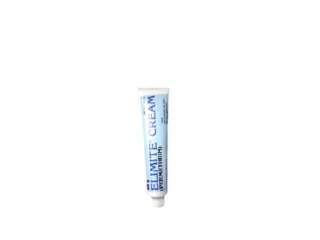
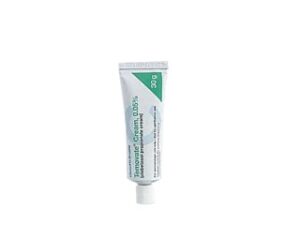
Elimite (Permethrin): A Comprehensive Patient Guide
Basic Product Information
| International Nonproprietary Name (INN) | Permethrin |
|---|---|
| Brand Names in Australia | Elimite, Lyclear |
| ATC Code | P03AC04 |
| Available Forms and Strengths | Cream (5%), Lotion (Varies by brand, commonly 1%) |
| Manufacturers | Galderma, Stiefel/GSK Consumer Healthcare, various generics |
| Prescription Status in Australia | Pharmacist Only Medicine (Schedule 3); no prescription needed but pharmacist consultation required |
Mechanism of Action
For Patients:
Permethrin is an insecticide specifically targeting mites and lice. It works by attacking the nervous system of these parasites, causing paralysis and death. Harmful to parasites but safe for humans when used correctly.
For Healthcare Providers:
Permethrin acts on voltage-gated sodium channels in arthropod nerve cell membranes, delaying repolarisation and leading to hyperexcitation, paralysis, and death. It is inactive in mammalian sodium channels at therapeutic concentrations.
Pharmacokinetics
- Absorption: Minimal systemic absorption through intact skin (~2%).
- Metabolism: Metabolised rapidly in the liver to inactive compounds.
- Elimination: Excreted in urine within 48 hours as metabolites.
- Duration of Action: Single application effective for up to 2 weeks; cream residue typically washed off after 8–14 hours.
Use in Everyday Life and Best Practices
Typical Uses: Permethrin cream (5%) is used for the treatment of scabies, a contagious skin infestation caused by the Sarcoptes scabiei mite. Permethrin lotions (1%) are used for head lice infestations.
How to Use Permethrin Cream:
- Take a warm bath to clean the skin (not essential but recommended).
- Dry thoroughly.
- Apply cream over the entire body surface from the neck down, including under the nails, between fingers and toes, soles of feet, and behind ears (in infants and elderly, the scalp and face may also require application).
- Leave on for 8–14 hours (overnight), then wash off with soap and water.
- Repeat application after 7 days only if live mites are still observed or upon medical advice.
Dosing: Morning vs Evening
- Scabies: Evening application is preferred (e.g., after dinner), as the cream remains undisturbed overnight.
- Advantages of Evening Application: Easier to keep on skin for recommended duration; less likelihood of washing off through daily activity.
- Morning Application: Possible, but user must avoid washing, swimming, or heavy sweating.
- Regularity Tips: Set a reminder for application and removal times to ensure effectiveness.
Taking with Food or on an Empty Stomach
Permethrin is for external use only. Eating or fasting has no effect on its efficacy or absorption. Normal Australia dietary habits do not affect application; do not ingest this medicine.
Interaction Warnings
| Interaction Type | Details/Safety Tip |
|---|---|
| Food | Not applicable – permethrin is topical and not affected by food or drink. |
| Alcohol | No known interaction with alcohol when used externally. Avoid ingesting permethrin. |
| Other Medications | Avoid concurrent application of corticosteroid creams, ointments, or moisturisers to avoid dilution or reduced effectiveness. |
| Pregnancy/Breastfeeding | Generally considered safe. Consult your GP or pharmacist for individual advice. |
| Known Sensitivity | Do not use if allergic to permethrin, chrysanthemums, or pyrethrins. |
Indications
| Indication | Status | Age Group |
|---|---|---|
| Scabies | Official/TGA-approved | Adults, Children (>2 months) |
| Head lice (pediculosis capitis) | Official/TGA-approved | All ages (including school age children) |
| Crusted (Norwegian) scabies | Off-label, specialist advice | Adults, Immunocompromised |
| Other parasitic infestations | Off-label, limited evidence | N/A |
Dosing According to Clinical Indications
| Condition | Age Group | Recommended Dosage |
|---|---|---|
| Scabies | Adults & Children >2 months | Apply 5% cream once over entire body, leave for 8–14 hours, then wash off. Repeat in 7 days if necessary. |
| Elderly | Apply cream to scalp, face, neck, ears and entire body. Leave for 8–14 hours. | |
| Head Lice | All ages | Apply 1% lotion to hair/scalp, leave for 10 minutes, rinse, comb. Repeat after 7 days if required. |
| Crusted Scabies | Adults | Under specialist direction: multiple applications may be necessary, often combined with oral ivermectin. |
Safety Profile & Side Effects
| Frequency | Side Effect/Warning |
|---|---|
| Common | Itching, mild burning or stinging, redness, tingling |
| Less Common | Rash, local swelling, numbness |
| Rare | Severe allergic reaction, wheezing, facial swelling, persistent skin irritation |
| Cautions | Not for use in eyes, mouth, or mucosal surfaces. Avoid in known allergy to pyrethroids or permethrin. |
| For Children under 2 months | Only use under specialist medical supervision. |
Guidelines for Proper Use (Australia-Specific Advice)
- Ensure entire household and close contacts are treated simultaneously to prevent re-infestation.
- Wash all bedding, clothes, and towels in hot water (>50°C), and dry thoroughly. Items not washable should be sealed in a plastic bag for 72 hours.
- Do not use more often than instructed, as overuse can cause skin irritation.
- If irritation develops, consult a pharmacist or GP before reapplying.
- For Indigenous communities and remote regions, community-wide therapy is often needed to successfully control outbreaks (refer to "The Australian Healthy Skin Guidelines," 3rd edition, 2023).
Alternative Treatment Options
- Ivermectin (oral): Effective, especially for crusted or resistant scabies. Requires prescription; not subsidised for all indications by the PBS.
- Benzyl benzoate (topical): Alternative for scabies but more irritating.
- Malathion (topical): Used for head lice. Effective but has odour and requires longer application time.
- Dimeticone (topical): Non-insecticidal silicone-based head lice solution; low irritation risk, requires two applications.
- Home/natural remedies are not recommended based on current scientific evidence.
Summary Table:
| Product | Indication | PBS Subsidy | Strengths | Pros | Cons |
|---|---|---|---|---|---|
| Permethrin (Elimite/Lyclear) | Scabies, head lice | Yes (selected indications) | 5% cream, 1% lotion | Low toxicity, rapid action | Mild irritation possible |
| Ivermectin (oral) | Scabies (refractory/crusted) | Yes (specific criteria) | Tablets | Convenient for outbreaks, severe cases | Prescription required, some GI side effects |
| Benzyl benzoate | Scabies | No | Topical emulsion | Alternative in resistance | Can cause burning, unsuitable for children |
| Malathion | Head lice | Yes | 0.5% liquid | Effective for lice, ovicidal | Pungent odour, possible skin irritation |
| Dimeticone | Head lice | No | 4% lotion | Low allergy risk | Two applications needed |
Legal, Registration, and Reimbursement Status in Australia
- Regulated by: Therapeutic Goods Administration (TGA)
- Legal Status: Pharmacist Only Medicine (Schedule 3), available in pharmacies nationwide
- Prescription Requirement: No prescription for topical products, but pharmacist advice essential
- Reimbursement: Private purchase; PBS subsidy for selected patients/indications. Bulk-billing is available for eligible patients at some clinics
- Product registration details: Australian Register of Therapeutic Goods (ARTG) entries confirm safety and efficacy.
Latest Research and Clinical Guidance (2022–2025)
- The Australian Healthy Skin Guidelines (3rd Ed, 2023) recommend permethrin 5% as first-line therapy for scabies due to effectiveness and safety.
- Recent studies confirm permethrin maintains >90% efficacy in typical scabies unless resistance is suspected (see Currie BJ, Med J Aust, 2024).
- For crusted scabies, oral ivermectin, in combination with permethrin, is recommended by state and national public health units (Thornton GF, Aust Fam Physician, 2023).
- Head lice control should involve checking all close contacts and repeating treatment in one week (Clinical Guidance, RACGP, 2024).
References available from TGA and Australian Medicines Handbook 2024.
Availability and Delivery
| Pack Sizes | Indicative Price (AUD) | Delivery Time (Sydney, Melbourne, Brisbane, Perth, Adelaide) |
|---|---|---|
| 30g cream (5%) | $12–$18 | 1–2 days (Sydney); 2–3 days (Melbourne, Brisbane); 3–5 days (Perth, Adelaide) |
| 60g cream (5%) | $20–$28 | As above |
| 100ml lotion (1%) | $10–$16 | As above |
Most community pharmacies across Australia stock Elimite and generic permethrin preparations. Many offer home delivery services; check with your local pharmacy for options. Prices may vary depending on pharmacy and local discounts.
Frequently Asked Questions
- How long after applying permethrin does itching stop?
Itching may continue for up to 2–4 weeks after successful treatment due to the lingering immune reaction. This does not mean the treatment has failed. Consult your GP if symptoms persist or worsen. - Can I go back to work or school after treatment?
Yes, you can return to work or school 24 hours after the first full treatment application. Ensure clothes and bedding are washed as instructed. - Is Elimite safe for pregnant or breastfeeding women?
Permethrin is considered safe during pregnancy and breastfeeding when applied as directed. Seek medical advice if unsure. - What if I accidentally get the cream in my eyes or mouth?
Rinse thoroughly with water and seek prompt medical advice if symptoms occur or if large quantities are ingested. - Do I need to treat my family and pets?
All household members and close skin contacts should be treated simultaneously. Pets generally do not become infested with the human scabies mite, so treatment is not usually required for animals.