Oxsoralen (Methoxsalen): Patient Information for Australia
Basic Product Information
| International Nonproprietary Name (INN) | Methoxsalen |
|---|---|
| Australia Brand Names | Oxsoralen, 8-MOP |
| ATC Code | D05AD02 |
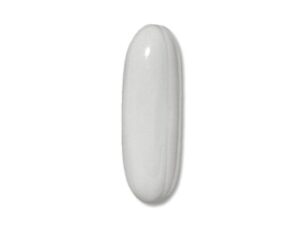
| Available Forms & Strengths | Capsules: 10 mg, 20 mg; Solution for oral administration |
| Manufacturers | Valeant Pharmaceuticals, Galderma Australia |
| Prescription Status | Prescription only medicine (Schedule 4; S4) |
Mechanism of Action
In simple terms: Methoxsalen belongs to a group of medicines called psoralens. When combined with special ultraviolet A (UVA) light (a treatment called PUVA), methoxsalen helps to slow down the abnormal growth and division of skin cells. It does this by making the skin temporarily more sensitive to UVA, which then works to manage conditions like psoriasis, vitiligo, and certain types of lymphoma.
For specialists: Methoxsalen intercalates with DNA, forming covalent bonds between DNA strands upon exposure to UVA (320–400 nm). This crosslinking of DNA inhibits cell division and induces apoptosis in hyperproliferative cutaneous cells, modulating immune responses and reducing pathological cellular proliferation.
Pharmacokinetics
- Absorption: Methoxsalen is rapidly absorbed from the gastrointestinal tract, reaching peak plasma concentrations within 1–2 hours after oral administration.
- Metabolism: It is metabolised primarily in the liver by cytochrome P450 enzymes.
- Elimination: Metabolites are excreted mainly in the urine, with a terminal half-life of around 1–2 hours.
- Duration of Action: The skin remains photosensitive for up to 8 hours following dosing.
Use in Everyday Life and Best Practices
In the Australian context, Oxsoralen is usually prescribed and administered as part of supervised phototherapy (PUVA) for conditions such as psoriasis, vitiligo, or cutaneous T-cell lymphoma (CTCL). Methoxsalen should only be taken just before attending your scheduled UVA session. At many clinics, the medicine will be provided and administered on the day of phototherapy under direct supervision.
Typical Adult Dose:
- For most adults, the dose is based on body weight or surface area (0.6 mg/kg or approximately 10–40 mg per session).
- The medication should be taken with a full glass of water 1.5 to 2 hours before your UVA treatment session.
- Never take methoxsalen at home unless directed by your health care provider. Methoxsalen is not used as everyday therapy and only in line with clinic/phototherapy appointments.
Dosing in the Morning vs Evening
- Advantage (Morning): Most PUVA sessions are scheduled in the morning or early afternoon to take advantage of clinical staff availability and to reduce risk of accidental sun exposure post-treatment.
- Disadvantage (Evening): Late-day sessions may coincide with times of lower clinic staffing and higher risk of missing scheduled doses. Skin remains photosensitive for several hours after dosing, so evening treatments can raise the risk of unintentional UVA exposure at home.
- Tips: Maintain a consistent schedule coordinated with your treatment facility. Attend all sessions as directed. Wear protective clothing and UVA-blocking glasses for the remainder of the day after dosing, as instructed.
Taking With Food or on an Empty Stomach
Methoxsalen absorption may vary with meals. Fatty foods have been shown in some cases to slightly increase absorption. However, in Australia, it is usually recommended to take methoxsalen with a glass of milk or a light meal to minimise the risk of gastrointestinal upset. Avoid heavy, greasy meals beforehand.
- If you experience nausea, ask your healthcare team about taking methoxsalen with food.
- Follow any specific advice provided by your phototherapy clinic or pharmacist.
- No major interactions with typical English or multicultural Australian diets are known.
Interaction Warnings
| Interaction | Precautions/Actions |
|---|---|
| Other photosensitising drugs (e.g., tetracyclines, sulfonamides, thiazides) | Increased risk of skin burns; inform your doctor before starting |
| Alcohol | May increase risk of nausea; avoid heavy drinking on treatment days |
| Grapefruit juice | May alter liver metabolism of methoxsalen; avoid regularly |
| Warfarin and similar anticoagulants | Potential for increased bleeding risk; inform your doctor |
| Immunosuppressants (e.g., cyclosporine) | Possible additive effects on immune system; use with caution |
| St John's Wort | May decrease efficacy of methoxsalen; best avoided |
Indications (Approved and Off-Label)
| Indication | Status in Australia | Notes |
|---|---|---|
| Severe, recalcitrant psoriasis | Approved | When other treatments have failed |
| Vitiligo | Approved | For widespread, non-segmental types |
| Cutaneous T-cell lymphoma (CTCL) | Approved | Advanced/mycosis fungoides stages |
| Atopic dermatitis | Off-label | Specialist centres only; rarely used |
| Graft versus host disease (GVHD) | Off-label | Research/clinical trial settings |
Dosing According to Clinical Indications
| Condition | Adults | Paediatrics (12–18y) | Elderly (>65y) |
|---|---|---|---|
| Psoriasis | 0.6 mg/kg (10–40 mg), 1.5–2 hrs pre-PUVA | Specialist use | Same as adults; start at lower dose |
| Vitiligo | 0.6 mg/kg, 1.5–2 hrs pre-PUVA | Specialist use; not for <12 years | Same as adults; adjust for renal/hepatic function |
| CTCL | 0.6 mg/kg, 1.5–2 hrs pre-PUVA | Not generally recommended | Adjust to tolerance |
Safety Profile and Side Effects
- Common:
- Nausea, headache, feeling tired
- Redness or itching of the skin
- Sunburn-like reactions
- Less common:
- Skin blistering
- Darkening of skin (hyperpigmentation)
- Mild liver enzyme changes
- Rare but serious:
- Cataracts (risk increased if not wearing eye protection)
- Skin cancer (with long-term/frequent use)
- Severe photosensitivity (blistering, rash)
- Warnings:
- Do not use during pregnancy or breastfeeding without specialist advice
- Not recommended in children under 12 years
- Increased risk of skin infection and delayed wound healing
Guidelines for Proper Use (Australia-Specific Advice)
- Take methoxsalen exactly as directed by your clinic — usually on the day of your UVA treatment, 1.5–2 hours prior.
- Wear UVA-blocking sunglasses for 24 hours after your dose, even indoors near windows.
- Cover all exposed skin following treatment, and avoid sun exposure for at least 8 hours. Long sleeves, trousers, broad-brimmed hats, and sunscreen (SPF 30+) are recommended.
- Return any unused medicine to your pharmacy or clinic for safe disposal.
- Do not drive for several hours if your vision is impaired by the treatment or the sunglasses.
- Inform all your healthcare providers you are receiving PUVA treatment.
Alternative Treatment Options
- Narrowband UVB phototherapy: Does not require oral medication, lower risk of skin cancer compared to PUVA, widely available in Australian dermatology clinics.
- Topical corticosteroids: Effective for localised psoriasis/vitiligo patches, but risk of skin thinning with long-term use.
- Topical calcineurin inhibitors (e.g., tacrolimus): Suitable for sensitive areas like the face.
- Biologics (e.g., adalimumab, ustekinumab): Used for moderate-to-severe psoriasis and covered under the Pharmaceutical Benefits Scheme (PBS) under strict criteria; no need for light exposure but may have other side effects.
- Oral retinoids (acitretin): Occasionally used for psoriasis; teratogenic, so not suitable for women of childbearing age without precautions.
Choice of therapy depends on your medical history, disease severity, and access to specialist care.
Legal, Registration, and Reimbursement Status in Australia
- Registered with the Therapeutic Goods Administration (TGA).
- Schedule 4 (S4): Prescription only.
- Reimbursed by the Pharmaceutical Benefits Scheme (PBS) for approved indications after specialist assessment.
- Access is normally coordinated through hospital or specialist dermatology units.
- Methoxsalen is not available over the counter.
Latest Research and Clinical Guidance (2022–2025)
- Recent Australian consensus guidelines (Australasian College of Dermatologists, 2023) recommend methoxsalen only after other therapies have failed and highlight strict long-term monitoring due to melanoma and squamous cell carcinoma risk (Simpson et al, Aust J Dermatol 2023).
- Emerging global evidence (Guenova et al, JAMA Dermatology 2024) supports use of biologicals as first- or second-line therapy for psoriasis and CTCL. Methoxsalen PUVA remains valuable when access to these options is limited or contraindicated.
- Quality of life is improved significantly in patients with vitiligo unresponsive to topical therapies; however, relapse rates are higher if maintenance PUVA is not continued (Abdulaziz et al, Br J Dermatol 2024).
- Pediatric use remains restricted to clinical trials and specialist centres only.
Availability and Delivery
| Pack Size | Contents | Indicative Price (AUD) |
|---|---|---|
| 30 capsules | 10 mg methoxsalen | $135–$175 |
| 60 capsules | 10 mg methoxsalen | $260–$320 |
| Solution bottle | 100 mL at 1 mg/mL | $210–$260 |
| Location | Estimated Delivery Time* |
|---|---|
| Sydney | 1–2 business days |
| Melbourne | 2 business days |
| Brisbane | 2–3 business days |
| Perth | 3–5 business days |
| Remote/Rural areas | 5–7 business days |
*Availability may vary. Most clinics order bulk supplies; community pharmacy supply may be by special order only. PBS or hospital subsidy may cover most of the cost for eligible patients.
Frequently Asked Questions (FAQ)
1. Can I take my regular medications with methoxsalen?
Methoxsalen has some important drug interactions. You must inform your doctor or pharmacist if you take medications that can increase photosensitivity (like some antibiotics, antifungals, or diuretics), warfarin, immunosuppressants, or herbal products such as St John's Wort. Always update your medication list at every visit.
2. Do I need special protection after taking Oxsoralen?
Yes. After each dose, your skin and eyes will be sensitive to UVA for at least 8 hours. Always wear approved UVA-blocking sunglasses, cover exposed skin, and avoid daylight as much as possible until the next morning.
3. What if I miss my scheduled methoxsalen dose or phototherapy session?
Never take your dose at home or later in the day. If you miss your appointment, call your clinic to reschedule rather than attempting to self-medicate. Ingesting methoxsalen without subsequent UVA treatment can be harmful.
4. Is Oxsoralen safe during pregnancy or breastfeeding?
Methoxsalen should not be used during pregnancy or breastfeeding without specialist advice, as safety is not fully established. Inform your doctor if you are, or may become, pregnant.
5. Can I sunbathe or use sunbeds during my treatment?
No. Sunbathing or tanning beds should never be used, as your skin is much more at risk of burning and long-term damage while on methoxsalen. Always protect yourself as advised by your care team.