Clobetasol 0.05% – Patient Information for Australia
Basic Product Information
- International Nonproprietary Name (INN): Clobetasol propionate
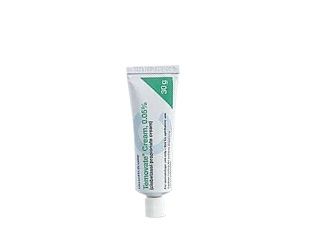
- Common Australia Brand Names: Dermovate®, Clobex®, Tenovate®
- ATC Code: D07AD01
- Available Forms and Strengths: Cream 0.05%, Ointment 0.05%, Scalp Solution 0.05%
- Manufacturers: GlaxoSmithKline Australia, Aspen Pharmacare, Sandoz among others
- Prescription Status: Schedule 4 (Prescription Only) medicine in Australia
Mechanism of Action
Simplified explanation (for patients):
Clobetasol propionate is a very strong corticosteroid. It helps reduce inflammation, redness, swelling, and itching by calming your skin’s immune response. Most patients use it for short periods to control skin flare-ups or stubborn rashes.
Specialist explanation:
Clobetasol propionate is a potent fluorinated corticosteroid with strong glucocorticoid activity. It suppresses migration of polymorphonuclear leukocytes and reverses capillary permeability. On a cellular level, it inhibits the release of pro-inflammatory cytokines and mediators, thus reducing acute and chronic inflammatory reactions.
Pharmacokinetics
- Absorption: When used on the skin as directed, only a small amount is absorbed systemically. However, absorption increases if used on broken skin, large areas, or under occlusion (e.g., plastic wraps).
- Metabolism: Absorbed clobetasol is rapidly metabolised in the liver to inactive metabolites.
- Elimination: These metabolites are excreted mainly via the urine, with some elimination in the bile.
- Duration of Action: Relief is usually seen within a few hours to days. Maximum effects depend on the frequency and duration of use, skin thickness, and site of application.
Use in Everyday Life and Best Practices
- Wash and dry your hands and the affected skin area.
- Apply a thin layer of the cream/ointment to the affected area. Gently rub in.
- Most adults use it once or twice a day as directed by a doctor. Do not: Use on your face, groin or armpits unless explicitly told by your doctor.
- If using for scalp conditions, apply the scalp solution sparingly with clean hands or a dropper.
- Do not cover treated areas with bandages or dressings unless specifically told.
- Wash your hands after use (unless treating hands).
- Duration: Short courses are typical (up to 2 weeks for adults). Prolonged use can cause side effects.
English context: Clobetasol is frequently used for localised, severe skin issues like eczema, psoriasis, and lichen planus, especially when weaker creams have failed. It’s less suitable for children or sensitive skin.
Dosing in the Morning vs Evening
- Morning Application: Some patients prefer morning use for convenience, especially if using before work or school.
- Evening Application: Night-time dosing can allow longer skin contact (overnight). This may be slightly more effective, especially when area won’t be washed soon after.
- Tip: Apply at the same time each day for best results.
- Regularity: Try not to miss doses; if you do, apply as soon as you remember unless it’s almost time for the next dose. Do not double up.
Taking With Food or on an Empty Stomach
As a topical medicine, clobetasol is not affected by meals. You do not need to adjust application times based on eating. Traditional English and Australian diets – including eating or drinking tea, or following gluten-free or high-fibre diets – have no impact on clobetasol use.
Interaction Warnings
| Interacting Substance | Potential Effect | Advice |
|---|---|---|
| Alcohol | No known direct interactions | Safe to use, but avoid alcohol if your skin condition is worsened by it |
| Other topical medicines | May increase skin irritation, risk of absorption | Consult your doctor before combining (e.g., with salicylic acid, antifungals) |
| Systemic corticosteroids | Additive corticosteroid effects possible | Inform your healthcare provider if taking oral/injectable steroids |
| Vaccines (live) | Topical steroids unlikely to affect response, but avoid use on vaccination site | Check with your GP if concerned |
| Herbal remedies | Unknown effects, possible irritation | Avoid applying at the same time as creams containing tea tree oil, aloe, etc. |
Indications
| Official Indications (TGA approved) | Off-label Uses (specialist discretion) |
|---|---|
|
|
Dosing According to Clinical Indications
| Indication | Adult Dose | Paediatric Dose (Over 12 years) | Elderly Considerations |
|---|---|---|---|
| Psoriasis, eczema, chronic dermatitis | Apply thinly, once or twice daily for up to 2 weeks, then review | Use lower frequency, smallest area possible; rarely used, maximum 5 days and under specialist advice | Use cautiously on thin/fragile skin, monitor for bruising & atrophy |
| Scalp psoriasis | Apply scalp solution daily for 2–4 weeks; stop once controlled | Specialist advice only; avoid if possible | Same as adults, but monitor for increased absorption |
| Lichen planus, discoid lupus | As above, up to 4 weeks then taper/stop | Special cases only (specialist)- avoid on face or genitals | As above |
- Maximum adult dose: Not to exceed 50g per week
- Do not use on children under 12 years unless instructed by a paediatric dermatologist
Safety Profile / Side Effects
| Frequency | Side Effects | Advice |
|---|---|---|
| Common | Local burning, itching, dryness, mild skin thinning | Usually mild & improve with stopping; use moisturisers |
| Uncommon | Acne, folliculitis, increased hair growth, pigmentation changes | Contact your doctor if persistent or troublesome |
| Rare | Systemic absorption (especially in children or used over large/occluded areas): adrenal suppression, stretch marks (striae), secondary infections, allergic reactions | Emergency if widespread rash, fainting, signs of infection or allergic reaction |
Warnings: Avoid using clobetasol for long periods or over large areas, especially on the face, flexible skin sites, or in children. Report any blurred vision, increased thirst/urination, persistent skin changes or new symptoms to your healthcare provider.
Guidelines for Proper Use
- Apply only to affected areas, not healthy skin.
- Use the “fingertip unit” rule: a line of cream from the tip to the first crease of your index finger covers a flat area about the size of two adult palms.
- Do not use under dressings (plastic wrap, gloves, etc.) without a doctor’s instructions.
- Do not let near your eyes; rinse thoroughly with water if accidental contact occurs.
- Keep out of reach of children.
- Store below 25°C; do not freeze.
- Do not use if past expiry.
- Discuss with your pharmacist if unsure about mixing with emollients/moisturisers; space out applications by at least 30 minutes.
For extra advice, ask your local pharmacist or clinic nurse, especially about safe use during pregnancy or breastfeeding.
Alternative Treatment Options
- Topical corticosteroids (lower potency): Betamethasone valerate, hydrocortisone – fewer side effects but may be less effective in severe cases
- Non-steroidal creams: Calcineurin inhibitors (pimecrolimus, tacrolimus) – good for facial or sensitive areas, but may sting on application
- Coal tar, salicylic acid, emollients: Suitable in psoriasis and chronic eczema for maintenance
- Systemic therapies (for severe cases): Methotrexate, cyclosporine, biologic agents. These require specialist supervision
Most alternatives are also PBS-listed (Pharmaceutical Benefits Scheme). Some non-steroid options may not be subsidised on the PBS for all conditions.
Legal, Registration, and Reimbursement Status in Australia
- Legal Status: Schedule 4 medicine (prescription only)
- Registration: Therapeutic Goods Administration (TGA) approved; ARTG-registered
- Reimbursement: Clobetasol products are commonly listed under the PBS for approved skin conditions, subject to clinical criteria
- Prescribing Authority: GP or Dermatologist in most cases
- Pharmacist Supply: Only with a valid Australian prescription
Latest Research and Clinical Guidance (2022–2025)
- Psoriasis: Latest English guidelines (NICE, BAD) recommend short-term, potent topical steroids like clobetasol for localised, thick plaques, but caution against long-term or extensive use (Smith CH et al., British Association of Dermatologists Guidelines, 2022).
- Atopic dermatitis/eczema: Clobetasol is reserved for severe or recalcitrant lesions when less potent options fail (European Dermatology Forum, 2023).
- Safety in children: Studies reaffirm clobetasol should be avoided in under 12s unless prescribed by a specialist and for the briefest duration (Morren MA et al., Pediatric Dermatology, 2023).
- Long-term risk: Prolonged or unsupervised use increases skin thinning, striae, and risk of adrenal suppression; routine dermatologist review recommended for extended courses (Australian Prescriber, 2024).
Availability and Delivery
| Pack Size | Formulation | Typical PBS Price (Patient Co-pay) | Private Price (Indicative) |
|---|---|---|---|
| 30g | Cream/Ointment | $7.30 (concession) | $15–$22 |
| 100g | Cream/Ointment | $12.50 (concession) | $34–$55 |
| 30mL | Scalp Solution | $7.30 (concession) | $19–$25 |
| City | Standard Pharmacy Delivery (Business Days) | Express Delivery (Business Days) |
|---|---|---|
| Sydney | 1–2 | Same Day–1 |
| Melbourne | 1–2 | Same Day–1 |
| Brisbane | 1–3 | 1 |
| Perth | 3–5 | 2–3 |
| Adelaide | 2–3 | 1–2 |
Availability may be subject to stock and prescription type. Check with your local or online pharmacy for current pricing and timing.
Frequently Asked Questions (FAQ)
- 1. How long can I safely use clobetasol? As short a time as possible—generally 1–2 weeks for adults, only under doctor’s advice for longer or for children. Always follow your prescriber's instructions.
- 2. Can I use clobetasol on my face? It is not recommended for use on the face unless your dermatologist specifically advises, due to higher risks of side effects.
- 3. Can I use my moisturiser or sunscreen with clobetasol? Yes. Apply clobetasol first, wait at least 30 minutes, then apply your moisturiser or sunscreen.
- 4. What should I do if I miss a dose? Apply as soon as you remember. If it’s nearly time for the next dose, skip the missed one—don’t double up.
- 5. Can I use clobetasol while pregnant or breastfeeding? Use only if prescribed by your doctor, and for the minimum time needed. Avoid using on breasts while breastfeeding.